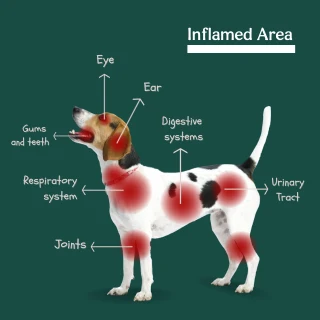
If your once-energetic dog has started hesitating before jumping into the car, seems stiff after naps, or has slowed down on walks, arthritis could be the reason. It’s one of the most common — and most under-diagnosed — conditions in senior dogs, largely because owners often mistake the early signs for «just getting old» rather than a treatable medical condition.
This guide walks through what canine arthritis actually is, how to recognize it early, and the realistic treatment and management options available today.
What Is Arthritis in Dogs?
Arthritis, also called osteoarthritis or degenerative joint disease (DJD), happens when the cartilage that cushions a dog’s joints breaks down over time. Without that cushioning, bones begin to rub against each other, causing inflammation, pain, and a gradual loss of mobility.
It’s estimated that a large proportion of dogs over the age of 8 show some radiographic evidence of arthritis, even if they don’t yet show obvious symptoms — which is exactly why catching it early matters.
Common Causes
Several factors contribute to the development of arthritis in senior dogs:
- Natural wear and tear from years of movement, especially in larger, heavier breeds.
- Previous joint injuries, such as ligament tears or fractures, which often lead to arthritis in that joint later in life.
- Genetic predisposition, particularly in breeds prone to hip dysplasia or elbow dysplasia (Labradors, German Shepherds, Golden Retrievers).
- Excess body weight, which places significantly more stress on weight-bearing joints over time.
- Repetitive high-impact activity, such as frequent jumping in agility or working dogs, without adequate joint support.
Early Symptoms to Watch For
Arthritis tends to develop gradually, so the earliest signs are often subtle. Watch for:
- Stiffness after rest, especially first thing in the morning or after a nap, that improves once the dog «warms up» and starts moving.
- Reluctance to jump onto furniture, into the car, or up/down stairs.
- Noticeable limping, particularly after exercise rather than during it.
- Slower to sit or lie down, or an unusual way of sitting to avoid bending a painful joint.
- Licking or chewing at a specific joint, which can indicate localized pain.
- Behavioral changes, such as increased irritability, reluctance to be touched near a joint, or general withdrawal from play.
If you notice two or more of these signs, it’s worth scheduling a vet visit even if your dog still seems generally happy and active — early intervention makes a real difference in slowing progression.
How Vets Diagnose Arthritis
A vet will typically combine several approaches:
- Physical examination, checking range of motion, swelling, and pain response in each joint.
- Gait analysis, observing how your dog walks, trots, and moves between sitting and standing.
- X-rays, which can reveal joint space narrowing, bone spurs, and other structural changes typical of arthritis.
- In some cases, additional imaging (CT or MRI) for a more detailed view, though this is less common for a straightforward arthritis diagnosis.
Treatment Options
There’s no cure for arthritis, but a combination approach can significantly reduce pain and slow progression. The most common options include:
1. Veterinary-Prescribed Medication
- NSAIDs (non-steroidal anti-inflammatory drugs) designed specifically for dogs are usually the first line of treatment for pain and inflammation.
- Newer monoclonal antibody injections targeting pain signals have become increasingly popular in recent years as a longer-lasting option with fewer side effects than daily oral medication.
Never give a dog human arthritis medication (such as ibuprofen or naproxen) — these can be toxic to dogs even in small doses.
2. Joint Supplements
Supplements containing glucosamine, chondroitin, and omega-3 fatty acids are widely used to support joint health and reduce inflammation. While the scientific evidence on their effectiveness varies, many vets recommend them as part of a broader management plan, especially in the earlier stages of arthritis.
3. Weight Management
Since excess weight is one of the biggest aggravating factors for arthritis, helping an overweight dog reach a healthier weight often produces a noticeable improvement in mobility and comfort, sometimes as much as medication alone.
4. Physical Therapy and Controlled Exercise
- Hydrotherapy (swimming or underwater treadmill sessions) allows dogs to exercise and build muscle around affected joints without the impact of walking on hard surfaces.
- Short, frequent walks are generally better than long, infrequent ones for maintaining joint mobility without overloading painful areas.
- Avoiding high-impact activity, such as jumping for a ball repeatedly, helps prevent flare-ups.
5. Home Adaptations
Small changes at home can meaningfully reduce daily strain on arthritic joints:
- Orthopedic memory foam beds that cushion joints better than standard bedding.
- Ramps or steps to avoid jumping on and off furniture or in and out of the car.
- Non-slip rugs or mats on hard flooring, since slipping is both painful and can worsen joint damage.
- Raised food and water bowls, which reduce strain on the neck and front legs while eating.
Living With an Arthritic Dog: What to Expect Long-Term
Arthritis is a progressive condition, meaning it typically worsens gradually over time. However, with a proactive management plan, many dogs maintain a good quality of life for years after diagnosis. The key is consistency: sticking with weight management, joint support, and appropriate exercise rather than only reacting during flare-ups.
Regular check-ins with your vet (roughly every 6 months for senior dogs) allow treatment to be adjusted as the condition progresses, rather than waiting until mobility has significantly declined.
Frequently Asked Questions
Can arthritis in dogs be reversed? No, the cartilage damage itself cannot be reversed, but symptoms can often be very well managed, and progression can be slowed significantly with the right combination of treatment and lifestyle adjustments.
At what age do dogs typically start showing arthritis? This varies by breed and size — larger breeds can show signs as early as 5–6 years old, while smaller breeds may not develop noticeable arthritis until 10+ years old. For a full breakdown, see our guide on what age dogs are considered senior by breed.
Is it normal for an arthritic dog to still want to play? Yes, many dogs with mild to moderate arthritis still enjoy play, just at a lower intensity or for shorter periods. A sudden complete refusal to engage, however, is worth discussing with your vet, as it may indicate the pain has progressed.
Arthritis is one of the most common conditions in aging dogs, but it’s also one of the most manageable when caught early. If your dog is showing any of the signs above, pair this guide with our article on choosing the best food for dogs with joint issues to build a complete care plan.