Understanding Why Your Senior Dog Sleeps All Day
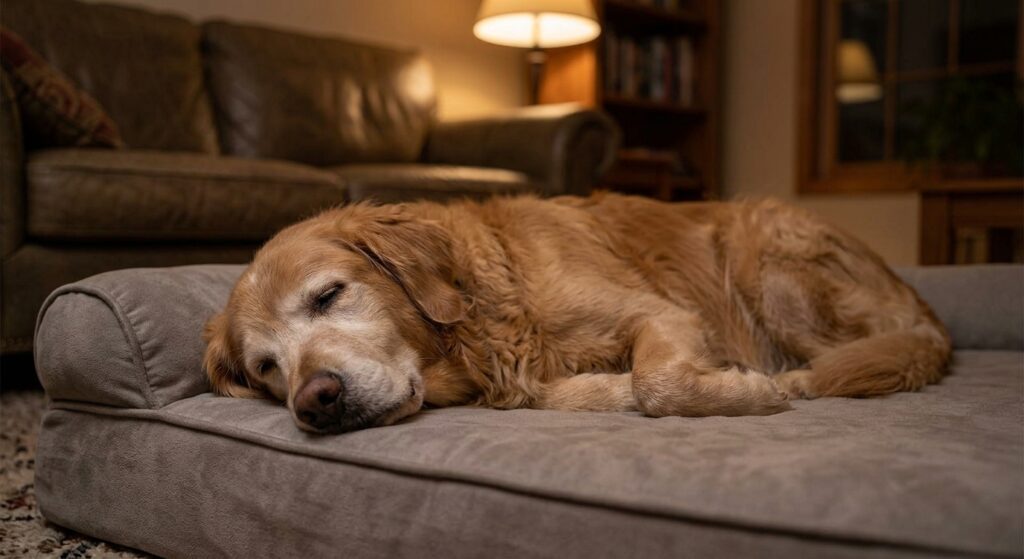
Noticing your senior dog sleeps all day compared to their younger years is one of the most common observations owners bring up, and in most cases, it reflects a genuinely normal part of aging. That said, a few specific patterns are worth paying closer attention to. This guide covers what’s typical, what to watch for, and how to keep sleep habits balanced and healthy.
Why Sleep Increases With Age
Senior dogs typically sleep more than adult dogs — often somewhere between 16 and 20 hours a day, compared to 12-14 hours for a healthy adult dog. Several normal factors contribute to this:
- Reduced overall energy levels, a natural part of the aging process
- Slower metabolism, requiring less activity to feel satisfied
- Recovery needs, since aging bodies simply need more rest to recover from the same activities that used to require less recovery time
- Reduced sensory stimulation if vision or hearing has declined, leading to less environmental engagement and, in turn, more resting
What Normal Increased Sleep Looks Like
- Sleep spread across the day in multiple naps, rather than one unbroken block
- Your dog still wakes readily for meals, walks, and favorite activities
- Normal responsiveness when you call their name or offer a treat
- Sleep quality appears restful, without unusual twitching, distress, or difficulty settling
Signs Increased Sleep May Be a Concern
Difficulty Waking or Reduced Responsiveness
A dog that seems unusually hard to rouse, or slow and disoriented upon waking, may be experiencing something beyond typical aging fatigue.
Sleep Accompanied by Other Symptoms
Increased sleep combined with reduced appetite, weight loss, vomiting, or increased thirst points toward a possible underlying medical issue rather than simple aging, and warrants a vet visit.
Disrupted Sleep-Wake Cycles
Sleeping excessively during the day but showing restlessness, pacing, or confusion at night can indicate canine cognitive dysfunction rather than straightforward increased sleep need. See our guide on senior dog barking at night if this pattern sounds familiar.
Sudden, Dramatic Change
A gradual increase in sleep over months fits typical aging. A sudden, significant jump in how much a dog sleeps, especially over just days or a couple of weeks, deserves veterinary attention to rule out pain, illness, or other new conditions.
Common Underlying Causes Worth Ruling Out
- Arthritis or chronic pain, since dogs in discomfort sometimes rest more simply because movement feels unpleasant. See our arthritis in senior dogs guide for related signs.
- Anemia, which causes fatigue and can accompany conditions like kidney disease.
- Hypothyroidism, a common condition in aging dogs that often includes lethargy among its symptoms.
- Depression-like behavior, sometimes triggered by loss of a companion animal, changes in routine, or reduced ability to engage in previously enjoyed activities.
The Cornell Feline Health Center and similar veterinary resources note that significant changes in sleep patterns in aging pets often warrant investigation rather than assumption, even though some increase is expected.
Balancing Rest With Activity
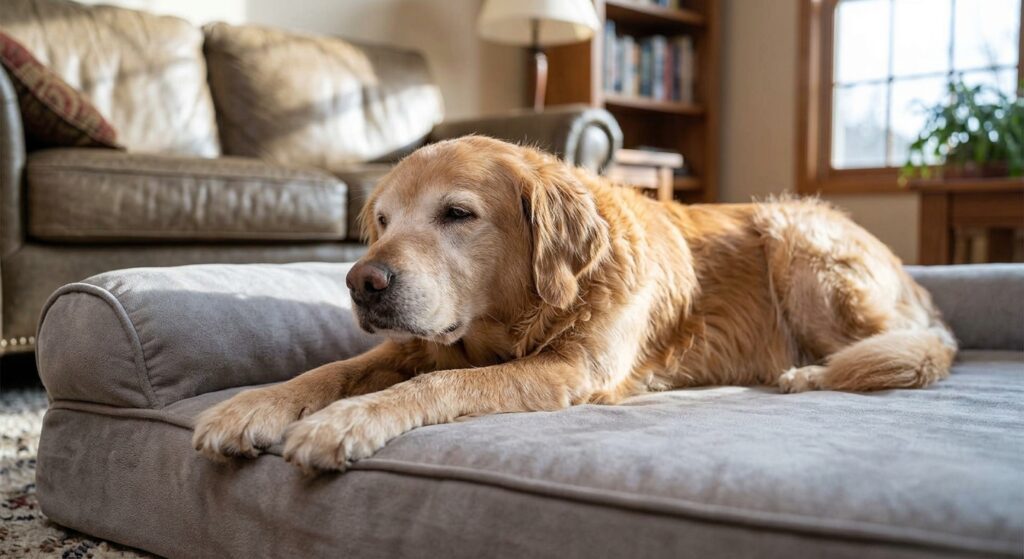
While rest matters, complete inactivity can also work against a senior dog’s wellbeing. A reasonable balance includes:
- Encouraging short, gentle activity periods during naturally more alert times of day, rather than letting your dog sleep through the entire day uninterrupted.
- Maintaining a consistent daily schedule for meals, short walks, and bedtime, which can help regulate healthier sleep-wake patterns.
- Providing mental stimulation during waking hours, as covered in our guide on mentally stimulating a senior dog, which can help maintain more natural energy and alertness cycles.
- Ensuring your dog’s sleeping area stays comfortable, since poor-quality rest (from an uncomfortable bed or joint pain) can paradoxically lead to more total sleep as the body tries to compensate.
Frequently Asked Questions
How much sleep is too much for a senior dog?
There’s no single cutoff, since individual dogs vary, but 18-20+ hours combined with reduced responsiveness, appetite changes, or other symptoms is worth discussing with your vet, rather than a specific hour count alone.
Can boredom cause a senior dog to sleep more than necessary?
Yes, to some degree — a dog with little mental or physical engagement during waking hours may default to sleeping simply because there’s nothing else to do, which is part of why maintaining some stimulation matters even for less active senior dogs.
Is it normal for a senior dog’s sleep schedule to shift, like sleeping more during the day and less at night?
A shift like this can be normal, but it can also indicate cognitive dysfunction, especially if it comes with nighttime restlessness or confusion. It’s worth mentioning at your dog’s next vet visit if the pattern persists.
Increased sleep in a senior dog usually reflects normal aging, but knowing the specific signs that warrant closer attention helps you catch underlying issues early. Pair this guide with our article on mentally stimulating a senior dog to help maintain a healthy balance between rest and engagement.