Why Exercise for Senior Dogs Needs to Change
Exercise for senior dogs doesn’t mean stopping activity altogether — it means adapting it. Staying active helps maintain muscle mass, supports joint mobility, manages weight, and keeps your dog mentally engaged. But the type, intensity, and duration of exercise need to shift as your dog ages, especially if arthritis, heart conditions, or reduced stamina come into play.
This guide covers how to build a safe, adapted exercise routine based on your senior dog’s specific condition and energy level.
How Much Exercise Does a Senior Dog Need?
There’s no single number that fits every senior dog. A healthy, active 8-year-old Border Collie needs far more activity than a 12-year-old dog with moderate arthritis. As a general starting point:
- Healthy, active seniors: 30-45 minutes of activity daily, split into two or more shorter walks.
- Seniors with mild joint issues: 15-25 minutes, twice daily, at a gentle pace.
- Seniors with more advanced arthritis or health conditions: Short, frequent 5-10 minute walks, prioritizing consistency over distance.
The best gauge isn’t a fixed number, though — it’s how your dog responds during and after activity.
Low-Impact Exercise Options
Gentle Walks
Short, frequent walks on flat, even surfaces put less strain on joints than long walks or uneven terrain. Grass and dirt paths tend to be gentler than pavement.
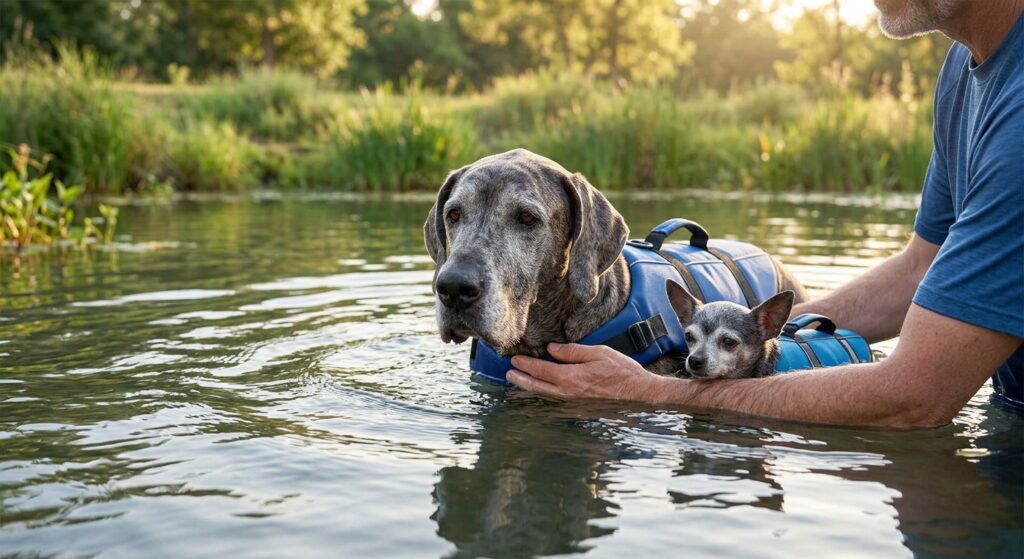
Swimming and Hydrotherapy
Water supports a dog’s body weight, allowing movement and muscle engagement without the impact of walking on hard ground. This makes it one of the best options for dogs with arthritis, as covered in our guide on arthritis in senior dogs.
Gentle Play
Low-intensity play — like a slow game of fetch on soft ground, avoiding repetitive jumping — can keep a senior dog engaged without overloading joints.
Mental Stimulation as a Complement
Physical exercise isn’t the only way to keep a senior dog active and engaged. Puzzle toys and scent games provide mental stimulation with minimal physical strain, which matters especially on days when physical activity needs to stay minimal.
Building a Routine Around Health Conditions
- Arthritis: Favor low-impact activity (swimming, short flat walks) and avoid high-impact movement like jumping or running on hard surfaces. Pair with the joint support strategies in our arthritis guide.
- Heart conditions: Follow your vet’s specific exercise restrictions closely, since overexertion can be genuinely risky for dogs with cardiac issues.
- Obesity: Gradual, consistent low-impact activity combined with dietary changes tends to work better than sudden intense exercise, which can strain joints already under extra load.
- Cognitive decline: Consistent routines and familiar walking routes can help reduce confusion and anxiety, while still providing physical benefits.
According to the American Animal Hospital Association, senior dogs benefit from regular, moderate activity tailored to their individual health status rather than a one-size-fits-all routine.
Signs You Need to Slow Down
Watch for these signs during or after exercise, which suggest the activity level needs adjusting:
- Excessive panting that doesn’t settle quickly after rest
- Limping or noticeable stiffness afterward
- Reluctance to continue partway through a walk
- Unusual lethargy for the rest of the day following activity
If you notice these signs consistently, it’s worth scheduling a vet check to rule out an underlying issue, rather than assuming it’s simply old age.
Warming Up and Cooling Down
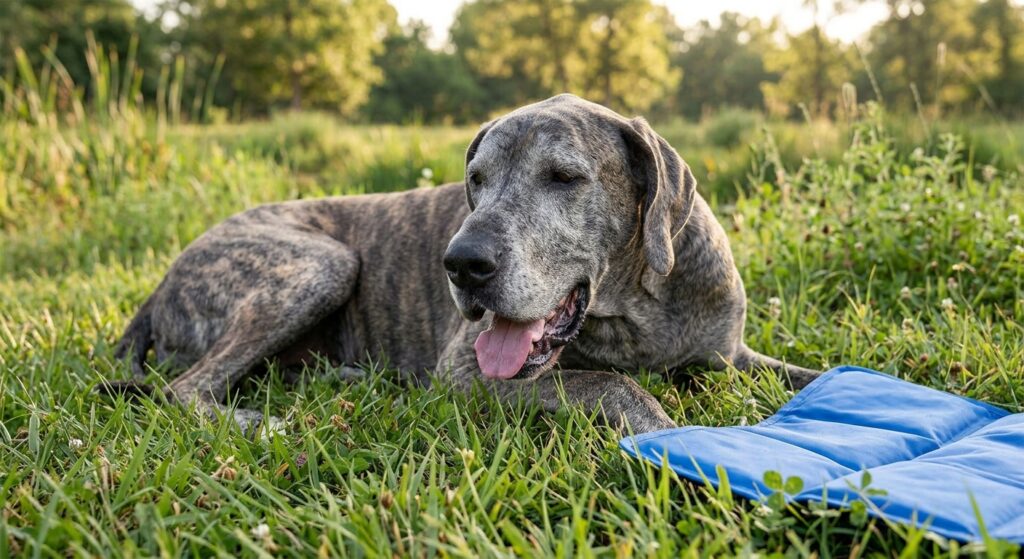
Just like in humans, a gentle warm-up (a slow-paced few minutes before picking up intensity) and cool-down help reduce the risk of muscle strain in senior dogs, particularly those with existing joint issues.
Frequently Asked Questions
Is it bad for a senior dog to skip exercise entirely?
Yes, generally — even dogs with significant mobility issues benefit from some form of gentle movement, whether that’s short walks, hydrotherapy, or assisted range-of-motion exercises, unless a vet specifically advises otherwise for a medical reason.
How do I know if my senior dog is too tired to continue a walk?
Watch for slowing pace, increased panting, or your dog stopping and sitting during the walk — these are clear signals to turn back and head home at a gentle pace.
Can exercise help with arthritis, or does it make it worse?
The right kind of exercise — low-impact, consistent, and appropriately paced — genuinely helps manage arthritis by maintaining muscle support around joints. High-impact or excessive activity, on the other hand, can worsen symptoms, which is why the type of exercise matters as much as the amount.
Adapting exercise for senior dogs based on their specific condition helps maintain both physical health and quality of life. For dogs managing joint pain specifically, pair this guide with our article on arthritis in senior dogs to build a complete activity and care plan.