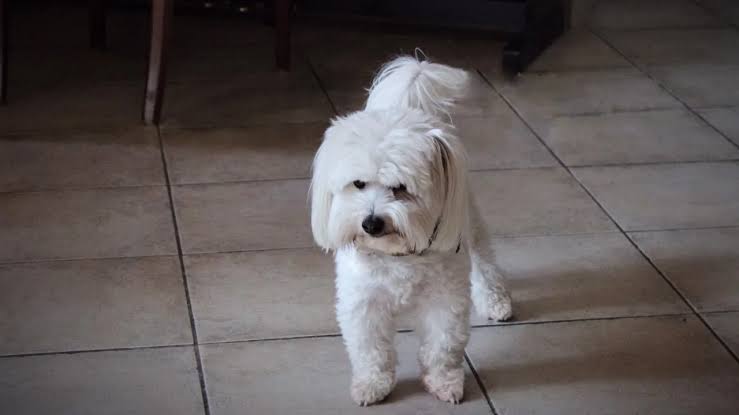
Why Non-Slip Flooring Matters for Senior Dogs
Hardwood, tile, and laminate floors look great, but they offer almost no grip for a dog whose muscles and joints don’t work like they used to. Non-slip flooring for senior dogs helps prevent falls that can cause real injury, and repeated slipping can worsen existing joint problems like arthritis over time. This guide compares the most practical non-slip options, from quick fixes to more permanent solutions.
Rugs and Runners: The Easiest Fix
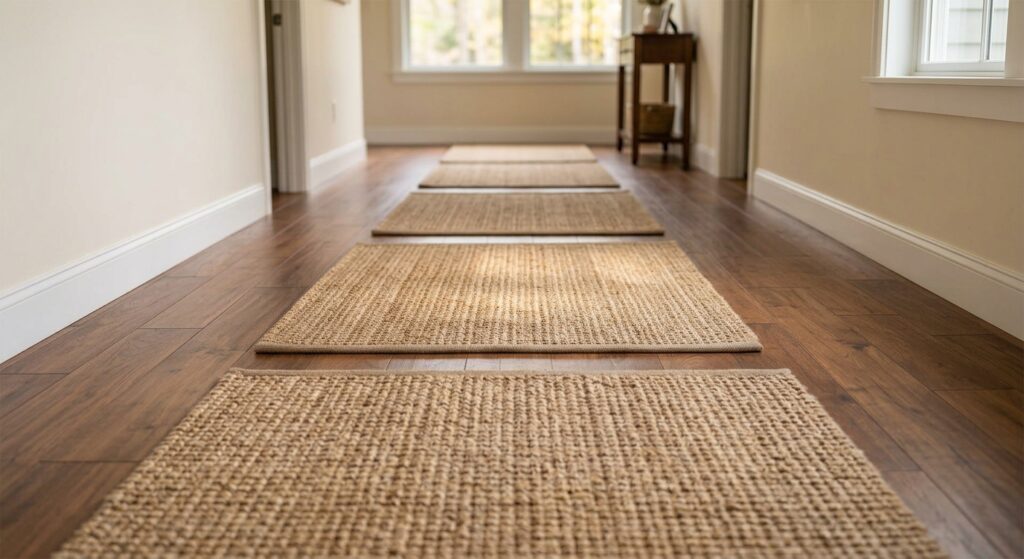
Adding rugs and runners along frequently used paths — hallways, room entrances, the route to food and water bowls — is usually the fastest and cheapest way to improve traction at home.
What to look for:
- A rubber or non-slip backing on the underside, since a rug that slides is nearly as risky as bare floor.
- Low-pile texture, which is easier for paws to grip than very plush, deep rugs.
- Wide enough coverage to span your dog’s full stride, not just a narrow strip.
Non-Slip Pads Under Existing Rugs
If you already have rugs down but they still shift underfoot, adding a non-slip pad or gripper underneath solves the problem without buying new flooring or rugs.
What to look for:
- Pads sized specifically to your existing rug dimensions.
- Breathable material that won’t trap moisture or damage the floor underneath over time.
Interlocking Foam or Rubber Tiles
For a more permanent solution in high-traffic areas, interlocking foam or rubber tiles provide consistent traction and some cushioning, which also helps with joint comfort.
What to look for:
- Textured, non-slip surface finish rather than smooth rubber.
- Easy-clean material, since accidents are more common in senior dogs with mobility or health issues.
Paw Grip Wax and Traction Socks
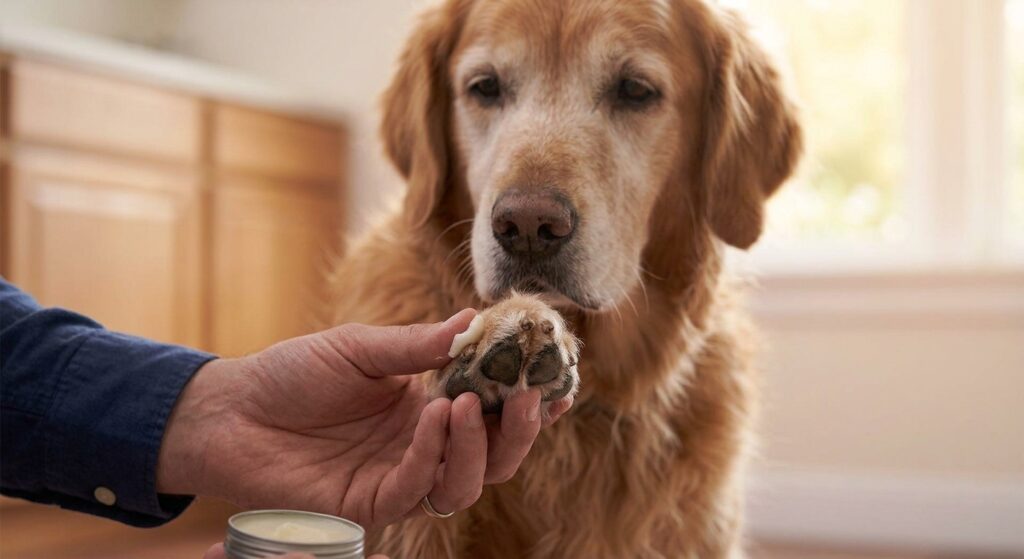
For homes with mostly hard flooring where replacing or covering every surface isn’t practical, paw grip wax or traction socks offer a lower-cost, temporary alternative.
Paw grip wax:
- Applied directly to paw pads, it adds traction without restricting natural paw movement.
- Needs reapplying periodically, typically every few days depending on activity level.
Traction socks:
- Provide immediate grip on hard floors.
- Some dogs need a short adjustment period to walk normally in them — introduce them gradually with treats and short sessions indoors.
Comparison at a Glance
| Option | Cost | Permanence | Best For |
|---|---|---|---|
| Rugs and runners | Low | Semi-permanent | Hallways, high-traffic paths |
| Non-slip pads | Very low | Add-on to existing rugs | Rugs that already shift |
| Interlocking tiles | Medium-high | Permanent | Dedicated rooms or high-use areas |
| Paw grip wax | Low, recurring | Temporary | Mostly hard-floor homes |
| Traction socks | Low | Temporary, reusable | Quick fix, travel, vet visits |
Where to Prioritize First
If you can’t tackle the whole house at once, start with:
- The path between your dog’s bed and their food/water bowls.
- Any area near stairs, since a slip near a staircase carries higher risk.
- Entryways where dogs typically transition from outdoor traction to indoor flooring, which is when they’re most likely to slip.
For a broader look at making the whole home safer, see our guide on making your home safer for a senior dog with limited mobility.
Frequently Asked Questions
Is carpet automatically safe for senior dogs?
Mostly, yes — carpet generally offers much better grip than hardwood, tile, or laminate. Very low-pile or worn carpet can still be slippery in spots, though, so it’s still worth checking high-traffic areas.
How often do I need to reapply paw grip wax?
This varies by product and activity level, but most brands recommend reapplying every few days to a week, and more often for very active dogs or those who spend a lot of time outdoors.
Can non-slip flooring help with arthritis symptoms directly?
Not directly, but it reduces the risk of slips that can trigger painful flare-ups, and it makes everyday movement more confident and comfortable for a dog already managing joint pain. Pair it with the broader strategies in our arthritis in senior dogs guide.
Improving traction at home is one of the simplest, lowest-effort ways to prevent injury and keep a senior dog moving comfortably. Start with the highest-traffic areas and expand from there as your budget and time allow.