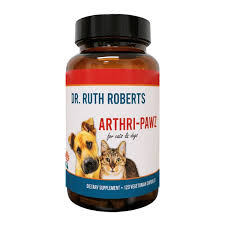
If your senior dog has been diagnosed with arthritis, chances are your vet mentioned “joint supplements” as part of the management plan. But walk into any pet store or search online, and you’ll find dozens of products claiming to be the “best” — often with very different ingredients, doses, and price points. This guide breaks down what actually goes into these supplements, what the evidence says about each ingredient, and how to choose one that fits your dog’s situation.
Do Joint Supplements Actually Work?
Before comparing products, it’s worth setting realistic expectations. Joint supplements are not a replacement for veterinary treatment (like prescribed anti-inflammatories) in moderate-to-severe arthritis cases. Instead, they work best as part of a broader management plan, alongside weight control, appropriate exercise, and vet-guided pain management.
That said, many vets do recommend them, particularly in the earlier stages of joint disease or as a long-term support alongside other treatments — the goal is to reduce inflammation and support cartilage health over time, not to provide immediate pain relief the way medication does.
Main Types of Joint Supplements Compared
Glucosamine & Chondroitin
What it is: The most common and widely studied combination, usually derived from shellfish or manufactured synthetically. Glucosamine is a building block of cartilage, while chondroitin helps retain water in cartilage tissue, keeping it flexible.
Best for: Dogs in the early-to-moderate stages of arthritis, as a long-term daily supplement.
Things to consider: Results are gradual — most vets suggest giving it at least 4-6 weeks before evaluating whether it’s making a noticeable difference. It’s generally very well tolerated, with mild digestive upset being the most common side effect.
Green-Lipped Mussel Extract
What it is: A New Zealand mussel extract naturally rich in omega-3 fatty acids and a broader range of nutrients than glucosamine alone, including glycosaminoglycans that support joint lubrication.
Best for: Dogs that haven’t responded well to standard glucosamine/chondroitin products, or owners looking for a more “whole food” based option.
Things to consider: Typically more expensive than basic glucosamine supplements, but some owners report better results, particularly for stiffness and mobility.
Omega-3 Fatty Acids (Fish Oil)
What it is: EPA and DHA, the same anti-inflammatory fatty acids found in fish oil supplements for humans.
Best for: Dogs with arthritis-related inflammation, and as a general health supplement (it also benefits skin, coat, and heart health).
Things to consider: Dosing matters — too much fish oil can cause digestive upset or interfere with blood clotting. It’s best used at a vet-recommended dose rather than guessing based on the label of a human supplement.
MSM (Methylsulfonylmethane)
What it is: A sulfur compound often added to joint supplement blends, believed to help reduce inflammation and support connective tissue.
Best for: Usually included as a secondary ingredient in combination formulas rather than used alone.
Things to consider: The evidence for MSM specifically is weaker than for glucosamine or omega-3s, but it’s generally considered safe as part of a blended formula.
Newer Injectable & Prescription Options
Beyond over-the-counter supplements, there are vet-administered options — including polysulfated glycosaminoglycan injections and newer monoclonal antibody treatments — that work differently from oral supplements and tend to show more consistent, measurable results in moderate-to-severe cases. These require a prescription and regular vet visits, but are worth discussing if oral supplements alone aren’t providing enough relief.
Comparison at a Glance
| Supplement Type | Best For | Onset of Effect | Typical Cost |
|---|---|---|---|
| Glucosamine + Chondroitin | Early-stage, long-term daily use | 4–6 weeks | Low–Medium |
| Green-Lipped Mussel | Moderate cases, “whole food” preference | 4–8 weeks | Medium–High |
| Omega-3 Fish Oil | General inflammation support | 3–6 weeks | Low–Medium |
| MSM | Add-on ingredient in blends | Varies | Low |
| Prescription injectables | Moderate–severe cases | Days–weeks | High (requires vet) |
How to Choose the Right One for Your Dog
- Start with your vet’s recommendation. Since every dog’s arthritis severity and overall health differ, a supplement that works well for one dog may not be the right fit for another.
- Check for third-party testing. Look for supplements that list batch testing or quality certifications, since the supplement industry (for pets and humans alike) is not tightly regulated.
- Give it time before judging results. Unlike pain medication, supplements build up gradually — don’t switch products after just a week or two.
- Watch for digestive side effects. If your dog develops loose stools or reduced appetite after starting a new supplement, it’s worth pausing and checking with your vet.
- Don’t stack multiple products with overlapping ingredients without checking dosages first — combining several supplements could lead to excessive intake of certain compounds.
Frequently Asked Questions
Can I just give my dog a human joint supplement? It’s best to use dog-specific formulas. While some ingredients overlap, human supplements are dosed for human body weight and may contain additives (like xylitol in some chewable versions) that are toxic to dogs.
How long does it take to see results from joint supplements? Most owners notice a difference within 4-8 weeks of consistent daily use, though this varies depending on the supplement type and severity of the arthritis. If you see no change after 8-10 weeks, it may be worth discussing alternatives with your vet.
Are joint supplements safe to use long-term? Generally yes, most joint supplements are well tolerated for long-term daily use. As always, it’s worth mentioning any supplement to your vet, especially if your dog is on other medications, to rule out any interactions.
Joint supplements work best as one piece of a broader arthritis management plan. For a complete picture of how to support a dog with joint disease — including weight management, exercise adjustments, and home modifications — check out our full guide on arthritis in senior dogs.