
Vets often call kidney disease a “silent” condition in senior dogs, and for good reason. By the time most obvious symptoms appear, a dog’s kidneys have often already lost a significant portion of their normal function. This is exactly why understanding the early warning signs matters so much. Regular bloodwork matters just as much, once your dog reaches its senior years.
Many owners describe the same pattern. The water bowl that used to last all day is empty by mid-afternoon. The dog asks to go out at night, and dinner sits untouched more often. Each change looks small on its own, so it is easy to put them down to age. Together, they are worth a call to your vet.
This guide covers what chronic kidney disease (CKD) actually is. It also covers the signs to watch for at each stage, and the realistic management options available today.
What Is Chronic Kidney Disease in Dogs?
The kidneys filter waste products out of the bloodstream. They also regulate hydration and maintain a healthy balance of minerals in the body. Chronic kidney disease develops when kidney tissue gradually and permanently loses its ability to perform these functions. This usually happens due to the natural wear of aging, though infections, toxins, or underlying conditions earlier in life can also cause it.
An acute kidney injury happens suddenly, often due to poisoning or a blockage. Chronic kidney disease works differently — it develops slowly over months or years. That slow progression is part of why it’s so easy to miss in its early stages.
Early Warning Signs
Kidney function typically needs to drop below roughly two-thirds of normal capacity before classic symptoms appear. Because of this, the earliest signs are often subtle:
- Increased thirst and urination — often one of the very first signs owners notice, sometimes months before anything else changes.
- A slightly duller coat or reduced energy that’s easy to dismiss as “just getting older.”
- Mild, gradual weight loss, even with a normal appetite.
- Bad breath with a faint ammonia-like odor. This happens because waste products build up when the kidneys can’t filter them effectively.
As the disease progresses to more advanced stages, symptoms become more noticeable:
- Reduced appetite or complete loss of interest in food
- Vomiting, particularly in the morning or after drinking water
- Noticeable weight loss and muscle wasting
- Lethargy and weakness
- Mouth ulcers, in more advanced stages
Early Signs vs Later Signs of Kidney Disease
| Early signs | Later signs |
|---|---|
| Drinking more water than usual | Vomiting or nausea |
| Urinating more often, or needing to go out at night | Very poor appetite |
| Slow, steady weight loss | Bad breath, sometimes with mouth sores |
| A duller coat | Weakness and pale gums |
| Slightly lower energy | Marked tiredness or hiding away |
Early signs are easy to miss. Later signs mean your dog needs to see a vet soon.
A 7-Day Water and Bathroom Log
Kidney changes often show up first in how much your dog drinks and pees. Fill the bowl with a measured amount each morning. Note how much is left the next morning. Write down night-time trips outside and any accidents. Bring the page to your vet.
| Day | Water given (cups) | Water left next morning (cups) | Night trips outside | Accidents indoors |
|---|---|---|---|---|
| Mon | ||||
| Tue | ||||
| Wed | ||||
| Thu | ||||
| Fri | ||||
| Sat | ||||
| Sun |
As a rough guide, many dogs drink about 1 ounce of water per pound of body weight per day. Drinking clearly more than usual for several days is worth mentioning to your vet.
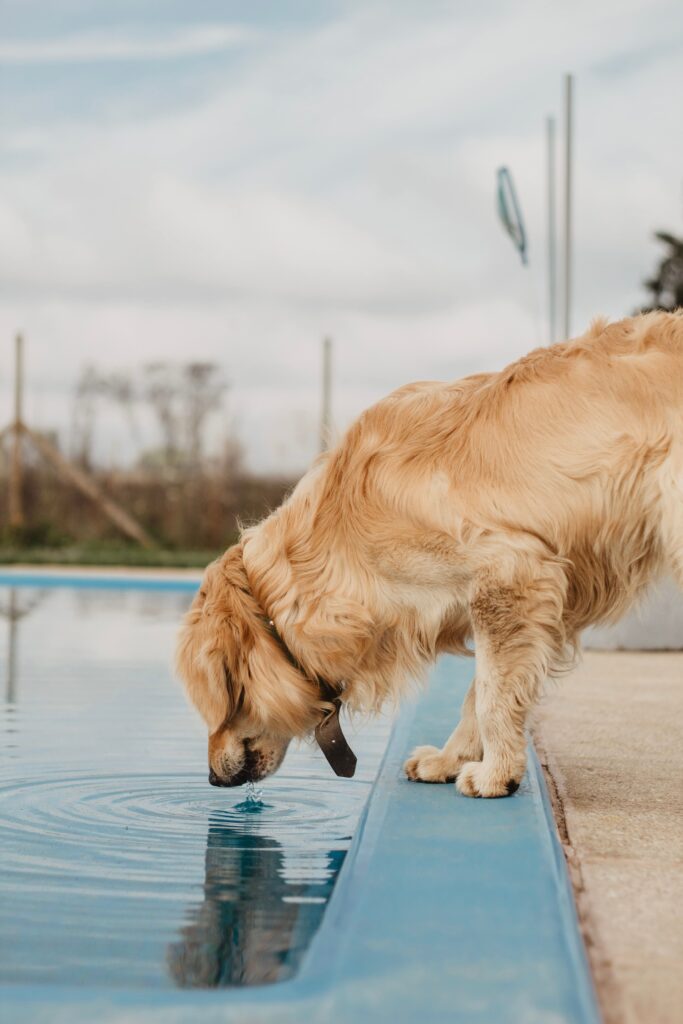
Notice increased thirst and urination in your senior dog? Mention it to your vet even if your dog otherwise seems totally normal. This single symptom ranks among the most reliable early indicators of kidney changes.

How Kidney Disease Is Diagnosed
Vets typically diagnose and stage kidney disease through a combination of methods:
- Blood tests, checking levels of creatinine, BUN (blood urea nitrogen), and increasingly, a newer marker called SDMA. SDMA can detect kidney changes earlier than traditional markers.
- Urinalysis, checking urine concentration and looking for protein loss. This can reveal kidney damage even before blood values change significantly.
- Blood pressure measurement. High blood pressure both causes and results from kidney disease in dogs.
- In some cases, ultrasound imaging of the kidneys, to check for structural changes, cysts, or stones.
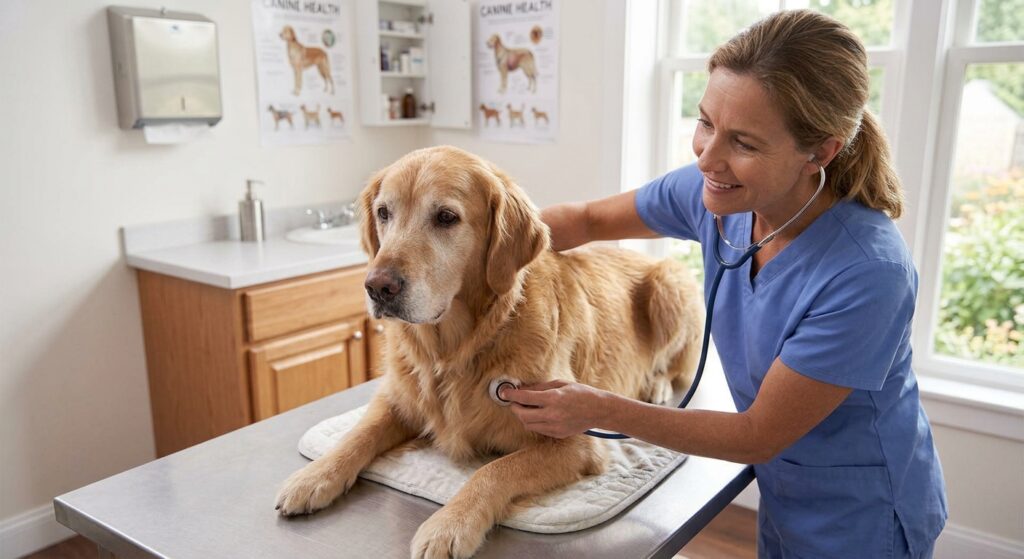
Vets typically classify kidney disease into stages, from early-stage to advanced, based on these results. This staging guides treatment decisions and gives a clearer picture of long-term prognosis.
Can Kidney Disease Be Treated?
No cure exists yet for chronic kidney disease. But early detection and consistent management can significantly slow its progression, and help maintain a good quality of life for a long time. Management typically includes:
Dietary Changes
A prescription kidney diet, lower in phosphorus and adjusted for protein, ranks among the most impactful interventions available. These diets specifically reduce the workload on the kidneys. Multiple veterinary studies show they meaningfully extend both quality of life and survival time in dogs with CKD.
Medications
Depending on the stage and specific complications, vets may prescribe:
- Phosphate binders, to help control phosphorus levels in the blood.
- Blood pressure medication, if hypertension is present.
- Anti-nausea medication, to help with appetite and comfort, especially in more advanced stages.
Hydration Support
The kidneys gradually lose their ability to concentrate urine. Because of this, dogs with CKD need consistent access to fresh water. In more advanced cases, vets may recommend subcutaneous fluids given at home, to support hydration between vet visits.
Regular Monitoring
Dogs diagnosed with kidney disease typically need bloodwork every 3-6 months — more frequently in advanced stages — to track how the disease progresses and adjust treatment as needed.
How Long Can a Dog Live With Kidney Disease?
This varies enormously depending on the stage at diagnosis and how well the disease responds to management. In general, dogs diagnosed early and managed consistently with diet and monitoring tend to have a meaningfully better outlook than dogs diagnosed only once symptoms turn advanced.
Frequently Asked Questions
Can kidney disease in dogs be cured?
Chronic kidney disease cannot be reversed. It can often be managed, though. Diet, fluids, and regular check-ups help slow it down and keep your dog comfortable. Your vet will tailor a plan to your dog.
Why is my senior dog drinking so much water?
Damaged kidneys lose the ability to concentrate urine, so the dog pees more and drinks more to make up for it. Other conditions, such as diabetes, can cause the same sign. Only a vet exam and tests can tell them apart.
Is kidney disease painful for dogs?
The disease itself is not usually painful. Nausea, mouth sores, and tiredness can make dogs feel unwell, though. Treatment aims to ease these signs.
Does diet really make a difference?
Yes. Many vets recommend a kidney-friendly diet with controlled phosphorus and quality protein. Ask your vet before changing your dog’s food.
How often should a senior dog be checked for kidney disease?
Many vets suggest blood and urine tests at least once a year for senior dogs, and more often if there is already a concern. The International Renal Interest Society publishes the staging system many vets use.