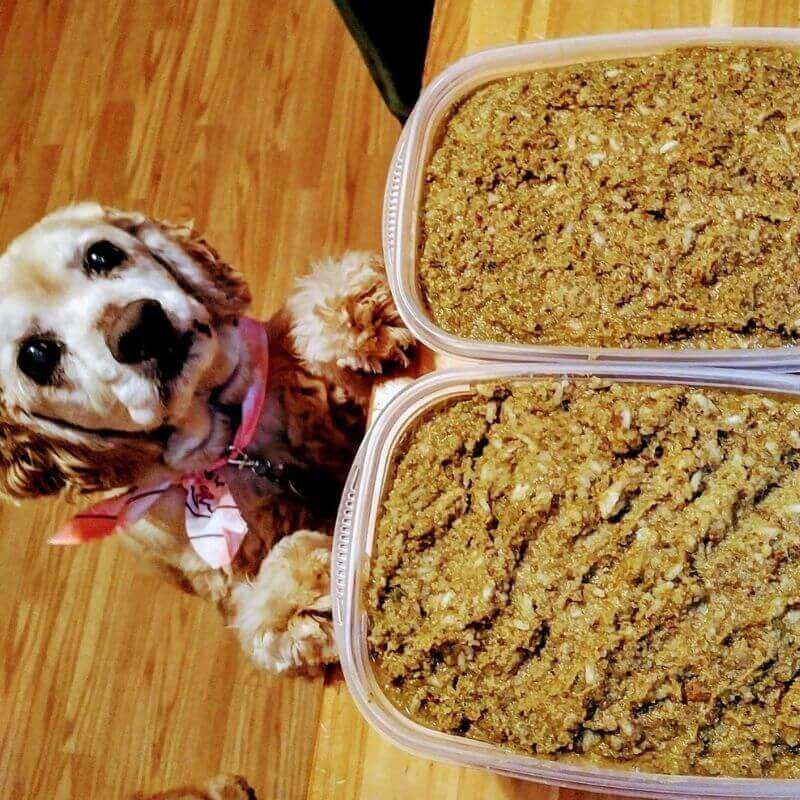
Many owners start looking into homemade diets after a kidney disease diagnosis. Some want more control over ingredients. Others just have a dog who won’t eat a commercial prescription food. This instinct makes total sense. But kidney-friendly diets are tricky. Get the nutritional balance wrong, and you can actually speed up disease progression instead of helping. This guide covers what really needs to change in a kidney-supportive diet. It also covers how to approach homemade feeding safely.
Why Diet Matters So Much in Kidney Disease
The kidneys filter waste from protein metabolism. They also regulate mineral balance in the body. When kidney function declines, certain nutrients need adjusting. Phosphorus matters most here. Protein quality and quantity matter too, though to a lesser degree. Adjusting these reduces the workload on the kidneys and can slow further damage.
This explains why prescription kidney diets look so different from standard dog food. They’re not just “senior” formulas with a new label. Nutritionists build them around very specific mineral and protein targets.

Key Nutritional Adjustments for Kidney Disease
Reduced Phosphorus
Most vets consider this the single most important dietary change for kidney disease. High phosphorus levels link strongly to faster disease progression. Reducing dietary phosphorus remains one of the best-supported ways to slow decline.
Moderate, High-Quality Protein
Older advice simply said “reduce protein” across the board. Current thinking focuses more on protein quality instead. The goal is to provide enough high-quality, digestible protein to prevent muscle wasting. At the same time, you want to avoid excess amounts that overload the kidneys. This balance is genuinely hard to get right without professional guidance. That’s one of the main risks of DIY recipes.
Omega-3 Fatty Acids
Fish oil-derived omega-3s carry anti-inflammatory properties. They may help slow kidney disease progression. Both prescription diets and vet-designed homemade kidney diets commonly include them.
Controlled Sodium
Lower sodium levels generally help manage blood pressure. Hypertension both causes and results from kidney disease, so this adjustment matters on both fronts.
Adequate Calories to Prevent Weight Loss
Dogs with kidney disease often eat less and lose weight. The diet needs enough calorie density to maintain body weight, even with smaller meals.
The Risk of DIY Recipes Without Guidance
Here’s the part that really matters: generic “kidney-friendly” recipes online are often poorly balanced. Some provide too little protein, which leads to muscle wasting. Others fail to control phosphorus properly, which undermines the entire point of the diet. Kidney disease leaves little room for error. An unbalanced homemade diet can do more harm than simply staying on a well-formulated commercial prescription food.
This doesn’t rule out homemade feeding as an option. It just means you need professional formulation. Skip the generic recipe from a search engine.
How to Do Homemade Feeding Safely
- Work with a board-certified veterinary nutritionist. Do this in person or through a consultation service. Get a recipe formulated specifically for your dog’s stage of kidney disease, weight, and any other health conditions.
- Use a consistent recipe. Even small ingredient swaps can significantly change the phosphorus and protein content of a meal.
- Recheck bloodwork regularly, as your vet recommends. This confirms the diet actually achieves the intended effect on phosphorus and other kidney-related markers.
- Avoid high-phosphorus ingredients common in generic dog food recipes. Organ meats, bone meal, and certain dairy products fall into this category, unless the formulating nutritionist includes them at a controlled amount.
- Stay consistent with supplementation. Homemade diets typically need added vitamins and minerals to stay nutritionally complete. This is easy to get wrong without guidance.

Homemade vs Commercial Prescription Diets
| Factor | Commercial Prescription Diet | Vet-Formulated Homemade Diet |
|---|---|---|
| Nutritional consistency | Very high, tested formulation | High, if properly formulated and followed |
| Convenience | High — ready to serve | Lower — requires preparation time |
| Cost | Moderate–high | Varies, often similar or higher with quality ingredients |
| Palatability for picky eaters | Sometimes lower | Often higher, since ingredients can be tailored |
| Risk if done incorrectly | Low | High, if not properly formulated |
Many dogs do well on a combination approach. Use a commercial prescription diet as the base. Add vet-approved homemade extras to improve palatability for reluctant eaters.
What If My Dog Won’t Eat the Kidney Diet?
This challenge comes up a lot, and it’s frustrating. Appetite loss is itself a symptom of kidney disease, after all. Try a few strategies vets often suggest:
- Warm the food slightly to boost the aroma
- Try different textures — wet, dry, or a mix of both
- Add a small amount of a vet-approved flavor enhancer made for kidney diets
- Talk to your vet about appetite-stimulant medication if food refusal continues. Maintaining adequate nutrition matters even when your dog won’t fully accept the “ideal” diet.
Frequently Asked Questions
Can I just reduce protein in my dog’s regular food instead of switching diets entirely? Not effectively. Kidney-supportive diets combine reduced phosphorus, adjusted protein quality, and other factors together. You can’t replicate that just by feeding less of a regular food.
Is raw feeding a good option for dogs with kidney disease? Vets generally don’t recommend this without very careful professional formulation. Raw diets are hard to balance precisely for phosphorus content. They also carry a higher risk of bacterial contamination — a bigger concern for a dog with a compromised immune system.
How long does it take to see the benefits of a kidney-friendly diet? Some lab values can shift within a few weeks. But the real benefit — slower disease progression — usually shows up over months. This is why consistency and regular bloodwork monitoring matter so much.
Diet stands out as one of the most powerful tools for managing kidney disease. Professional guidance makes a real difference in outcomes here. For a broader understanding of what to expect with a kidney diagnosis, see our guide on how long dogs can live with chronic kidney disease.
Meta description: Considering a homemade diet for your dog’s kidney disease? Here’s what actually needs to change nutritionally, the risks of DIY recipes, and how to do it safely with professional guidance.
When a dog is diagnosed with kidney disease, many owners start looking into homemade diets, often hoping to have more control over ingredients or because their dog won’t eat a commercial prescription food. This is a completely understandable instinct — but kidney-friendly diets are one of the areas where getting the nutritional balance wrong can genuinely accelerate disease progression rather than help it. This guide covers what actually needs to change in a kidney-supportive diet, and how to approach homemade feeding safely
Why Diet Matters So Much in Kidney Disease
The kidneys filter waste products from protein metabolism and regulate mineral balance in the body. When kidney function declines, certain dietary components — particularly phosphorus and, to a lesser extent, protein quality and quantity — need to be adjusted to reduce the workload on the kidneys and slow further damage.
This is exactly why prescription kidney diets look so different from standard dog food: they’re not just “senior” formulas with a different label, but diets built around very specific mineral and protein targets.
Key Nutritional Adjustments for Kidney Disease
Reduced Phosphorus
This is generally considered the single most important dietary change for dogs with kidney disease. High phosphorus levels are strongly linked to faster disease progression, and reducing dietary phosphorus is one of the most well-supported interventions for slowing decline.
Moderate, High-Quality Protein
Contrary to older advice of simply “reducing protein” across the board, current thinking focuses more on protein quality — providing enough high-quality, highly digestible protein to prevent muscle wasting, while avoiding excessive amounts that increase the kidneys’ workload. This balance is genuinely difficult to get right without professional guidance, which is one of the main risks of DIY recipes.
Omega-3 Fatty Acids
Fish oil-derived omega-3s have anti-inflammatory properties that may help slow kidney disease progression and are commonly included in both prescription and vet-designed homemade kidney diets.
Controlled Sodium
Lower sodium levels are generally recommended to help manage blood pressure, since hypertension is both a cause and consequence of kidney disease.
Adequate Calories to Prevent Weight Loss
Dogs with kidney disease often experience reduced appetite and weight loss, so the diet needs to be calorie-dense enough to maintain body weight despite smaller meal sizes.
The Risk of DIY Recipes Without Guidance
This is the part that’s genuinely important to understand: generic “kidney-friendly” recipes found online are frequently poorly balanced, either providing too little protein (leading to muscle wasting) or failing to adequately control phosphorus (undermining the entire point of the diet). Because the margin for error is relatively small with kidney disease, an unbalanced homemade diet can do more harm than simply staying on a well-formulated commercial prescription food.
This doesn’t mean homemade feeding isn’t a valid option — it means it should be done with professional formulation, not from a generic recipe found through a search engine.
How to Do Homemade Feeding Safely
- Work with a board-certified veterinary nutritionist, either in person or through a consultation service, to get a recipe formulated specifically for your dog’s stage of kidney disease, weight, and any other health conditions.
- Use a consistent recipe, since even small ingredient substitutions can significantly change the phosphorus and protein content of a meal.
- Recheck bloodwork regularly (as recommended by your vet) to confirm the diet is actually achieving the intended effect on phosphorus and other kidney-related markers.
- Avoid high-phosphorus ingredients commonly found in generic dog food recipes, such as organ meats, bone meal, and certain dairy products, unless specifically included at a controlled amount by the formulating nutritionist.
- Be consistent with supplementation, since homemade diets typically require added vitamin and mineral supplements to be nutritionally complete — something that’s easy to get wrong without guidance.
Homemade vs Commercial Prescription Diets
| Factor | Commercial Prescription Diet | Vet-Formulated Homemade Diet |
|---|---|---|
| Nutritional consistency | Very high, tested formulation | High, if properly formulated and followed |
| Convenience | High — ready to serve | Lower — requires preparation time |
| Cost | Moderate–high | Varies, often similar or higher with quality ingredients |
| Palatability for picky eaters | Sometimes lower | Often higher, since ingredients can be tailored |
| Risk if done incorrectly | Low | High, if not properly formulated |
For many dogs, a combination approach works well: using a commercial prescription diet as the base, with vet-approved homemade additions to improve palatability for dogs that are reluctant to eat.
What If My Dog Won’t Eat the Kidney Diet?
This is a common and frustrating challenge, since appetite loss is itself a symptom of kidney disease. A few strategies vets often suggest:
- Warming the food slightly to enhance aroma
- Trying different textures (wet vs. dry, or a mix)
- Adding a small amount of a vet-approved flavor enhancer designed for kidney diets specifically
- Working with your vet on appetite-stimulant medication if food refusal persists, since maintaining adequate nutrition is important even when the “ideal” diet isn’t being fully accepted
Frequently Asked Questions
Can I just reduce protein in my dog’s regular food instead of switching diets entirely? Not effectively — kidney-supportive diets involve a specific combination of reduced phosphorus, adjusted protein quality, and other factors that can’t be replicated by simply feeding less of a regular food. A properly formulated kidney diet addresses multiple factors together.
Is raw feeding a good option for dogs with kidney disease? Generally not recommended without very careful professional formulation, since raw diets can be difficult to balance precisely for phosphorus content, and there’s also an increased risk of bacterial contamination, which is a bigger concern for dogs with a compromised immune system.
How long does it take to see the benefits of a kidney-friendly diet? Some effects on lab values can be seen within a few weeks, but the real benefit — slower disease progression — is typically measured over months, which is why consistency and regular bloodwork monitoring matter so much.
Diet is one of the most powerful tools available for managing kidney disease, but it’s also one where professional guidance makes a real difference in outcomes. For a broader understanding of what to expect with a kidney diagnosis, see our guide on how long dogs can live with chronic kidney disease.