
Have you ever typed “is my dog a senior yet?” into Google? You’re not alone. The honest answer depends much more on your dog’s size than on a single magic number. A Chihuahua and a Great Dane don’t age at the same pace. Treat them as if they do, and you might miss the early signs of age-related health issues in a large breed. Or you might worry unnecessarily about a small breed that still has plenty of puppy-like years ahead
This guide breaks down exactly when dogs typically enter their senior years, based on size and breed. We’ll cover why the difference exists, and what to actually look out for once your dog crosses that threshold.
Why Size Matters More Than Age in Years
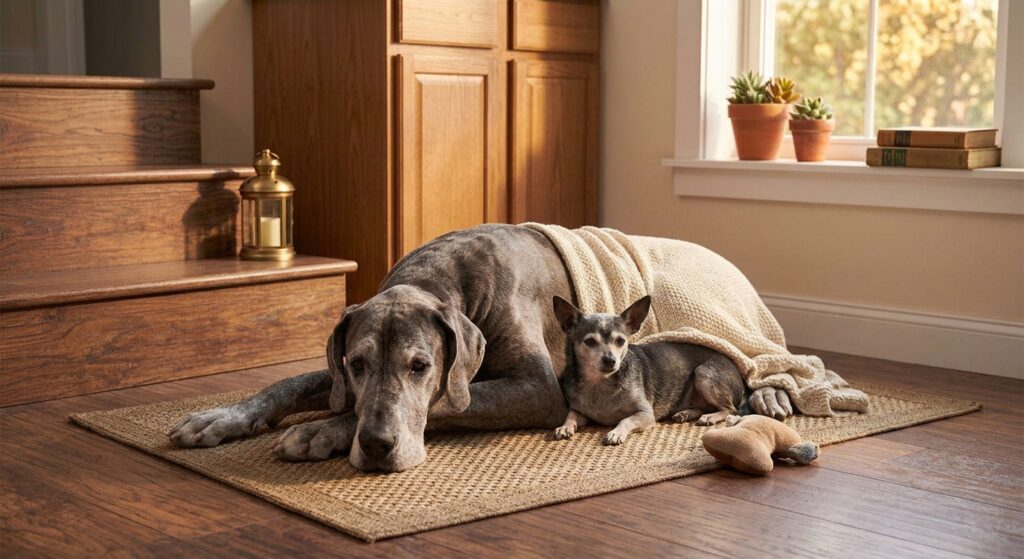
It might seem counterintuitive, but larger dogs age faster than smaller ones. A giant breed like a Great Dane may become a senior at just 5–6 years old. A small breed like a Chihuahua, though, might not reach that stage until 10–12 years old.
A few key reasons explain this difference:
- Growth rate: Large and giant breeds grow extremely fast in their first 1–2 years. That accelerated cellular activity links to faster aging later in life.
- Cardiovascular strain: Bigger bodies put more strain on the heart and joints over time. This wear and tear shows up earlier.
- Cancer risk: Larger breeds statistically face a higher lifetime risk of certain cancers. These tend to appear at a relatively younger age compared to small breeds.
So skip the “how old is my dog in human years” question. Ask this instead: “where does my dog’s size and breed put them on the aging curve?”
Senior Age by Size Category
Many veterinarians use this general guideline to estimate when a dog enters its senior years:
| Size Category | Approximate Adult Weight | Senior Age Range | Example Breeds |
|---|---|---|---|
| Small | Under 20 lbs (9 kg) | 10–12 years | Chihuahua, Yorkshire Terrier, Pomeranian, Dachshund |
| Medium | 20–50 lbs (9–23 kg) | 8–10 years | Beagle, Cocker Spaniel, Border Collie, Bulldog |
| Large | 50–90 lbs (23–41 kg) | 6–8 years | Labrador Retriever, German Shepherd, Golden Retriever |
| Giant | Over 90 lbs (41+ kg) | 5–6 years | Great Dane, Mastiff, Saint Bernard, Newfoundland |
Keep in mind: these ranges work as guidelines, not hard rules. Genetics, overall health, diet, and activity level throughout life all shape how quickly an individual dog ages compared to the breed average.
Dog Age in Human Years: An Approximate Guide
Dogs do not age at one year for every seven of ours. They age fast in the first two years, then at a pace that depends on their size. Use this table as a rough guide. Every dog is different, and your vet can tell you more about your own dog.
| Dog’s age | Small (under 20 lb) | Medium (21-50 lb) | Large (51-100 lb) | Giant (over 100 lb) |
|---|---|---|---|---|
| 5 years | 36 | 36 | 39 | 45 |
| 7 years | 44 | 47 | 50 | 56 |
| 8 years | 48 | 51 | 55 | 64 |
| 10 years | 56 | 60 | 66 | 79 |
| 12 years | 64 | 69 | 77 | 93 |
| 14 years | 72 | 78 | 88 | 108 |
Figures are approximate human-year equivalents.
Does Breed Matter Beyond Size?
Yes — even within the same size category, some breeds age faster or show age-related conditions earlier due to genetic predispositions. Consider these examples:
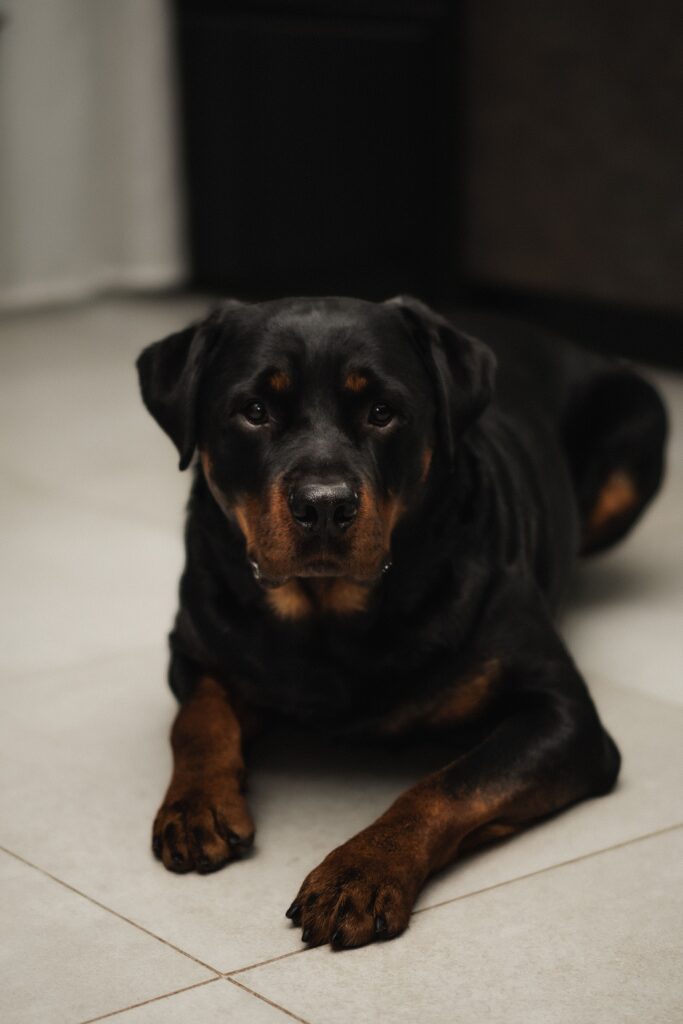
- Golden Retrievers, despite being a large breed, face a relatively high cancer incidence. It can appear even before the typical “senior” age window.
- Dachshunds, a small breed, often develop spinal disc disease. This can start affecting mobility earlier than their overall “senior” classification would suggest.
- Boxers and Bulldogs often face respiratory and joint issues earlier than other medium breeds of similar size, due to their body structure.
So even when a general size-based guideline applies, it’s worth learning about breed-specific health risks for your particular dog. That knowledge can help you catch age-related changes before they become serious.
Early Signs That Your Dog May Be Entering Its Senior Years
Age and breed charts only tell part of the story. Watch for these early behavioral and physical signs instead, since they often show up before you’d expect based on age alone:
- Slower to get up after lying down, or hesitation before jumping onto furniture or into the car.
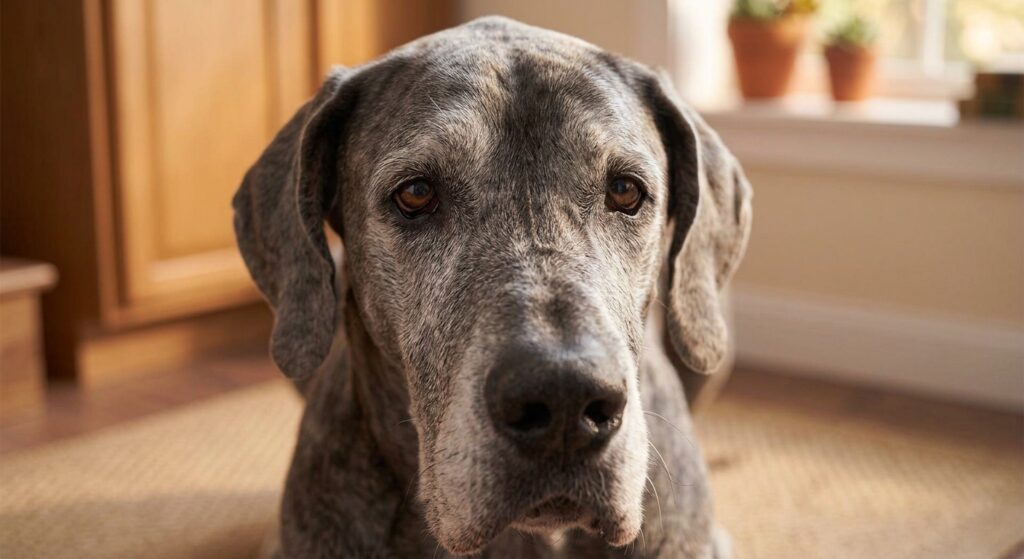
- Grayness around the muzzle — often one of the earliest and most visible signs of aging.
- Reduced enthusiasm for long walks or a shorter attention span during play.
- Changes in sleep patterns, such as sleeping more during the day.
- Slight weight changes — either gradual weight gain, due to a slower metabolism, or unexplained weight loss.
- Increased sensitivity to temperature, especially cold, due to less muscle mass and joint stiffness.
Many owners say the same thing when they finally take their dog to the vet: “I thought he was just slowing down.” A dog that sleeps more, hesitates before the stairs, or drinks a little more water often gets written off as “getting old”. Vets hear this story every week. The signs are easy to miss because they build up slowly, and that is why checking your dog against the senior age for their size matters more than waiting for something dramatic to happen.
Senior Dog Health Checklist
Not sure whether what you are seeing is normal? Tick what applies to your dog. If you tick two or more, book a visit with your vet.
Mobility
☐ Stiffness after resting or first thing in the morning
☐ Hesitates before stairs, the couch, or the car
☐ Shorter or slower walks than before
☐ Struggles to get up from lying down
Body and daily routine
☐ Sleeps more than usual
☐ Drinks more water or urinates more often
☐ Changes in appetite or weight
☐ Bad breath, or reluctance to chew hard food
Behavior and senses
☐ Stares at walls or gets stuck in corners
☐ Restless or barking at night
☐ Cloudy eyes, or bumps into furniture
☐ Less interest in play or in greeting the family
What Changes Once Your Dog Is Officially a Senior?
Once a dog enters its senior years, most veterinarians recommend a few practical adjustments:
- Schedule more frequent vet checkups — typically every 6 months instead of once a year. This helps catch issues like kidney decline, arthritis, or dental disease early.
- Get blood work and urinalysis done, even if your dog seems perfectly healthy. Many senior conditions develop silently before visible symptoms appear.
- Take a closer look at diet, since caloric needs and nutrient requirements shift with age. We cover this in detail in our senior dog nutrition guide.
- Add joint support, whether through supplements, weight management, or adapted exercise routines.
Frequently Asked Questions
At what age is a small dog considered senior?
Small dogs live longer, so they usually reach senior age later, often around 10 to 12 years old. Toy breeds can stay active and healthy well into that range. Still, a yearly check-up from around age 8 helps catch early changes.
Do large dogs really age faster than small ones?
Yes. Large and giant breeds tend to have shorter lives, and they often count as seniors at 6 to 8 years old. A Great Dane at 7 is closer to old age than a Chihuahua at 7. The exact age depends on the breed and the individual dog.
Does my dog’s breed matter more than their size?
Size is the biggest factor, but breed adds detail. Some breeds are prone to joint problems, heart disease, or other conditions that appear earlier in life. Your vet can tell you what to watch for in your dog’s breed.
How do I know if my dog is entering their senior years?
Age is only a guide. Look for slower walks, stiffness after resting, more sleep, greying around the muzzle, or changes in appetite and thirst. If you notice two or more of these, book a vet visit even if your dog has not reached the typical senior age for their size.
Should I change my dog’s care once they are senior?
Usually yes. Many vets suggest check-ups every six months, a diet suited to older dogs, and gentler exercise. Your vet can help you decide what fits your dog. The American Animal Hospital Association publishes life stage guidelines that many vets use as a reference.
This article is for informational purposes only and is not a substitute for professional veterinary advice. Always consult your vet about your dog’s specific health needs.