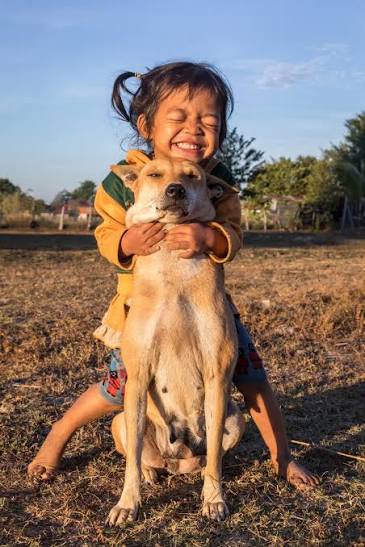
Understanding Personality Changes in Senior Dogs
Personality changes in senior dogs catch a lot of owners off guard — a previously social dog becoming withdrawn, or an easygoing dog suddenly showing irritability. Some shift in temperament is a normal part of aging, but certain changes signal an underlying issue worth investigating. This guide breaks down what typically falls within the range of normal aging, and what deserves a closer look.
Changes That Are Often Normal With Age
Reduced Enthusiasm for Play
A senior dog naturally has less energy than a younger dog, so a decline in playfulness — without other concerning symptoms — often reflects normal aging rather than a behavioral problem.
Preference for Routine
Many senior dogs become more attached to predictable routines and less tolerant of sudden changes, which can look like increased “fussiness” but often just reflects a preference for stability as adaptability naturally decreases with age.
More Time Sleeping
Increased sleep is expected in senior dogs and, on its own, isn’t a concerning personality change — it becomes worth investigating only when paired with other symptoms like disorientation or appetite changes.
Mild Increase in Clinginess
Some senior dogs become more attached to their owners, following them more closely around the house. In isolation, this is common and generally not concerning, though a sudden, dramatic increase is worth mentioning at a vet visit.
Changes That Warrant a Vet Visit
New Aggression or Irritability
A previously easygoing dog suddenly snapping, growling, or showing aggression — especially around touch, food, or resting — often points to an underlying source of pain rather than a true personality shift. Arthritis, dental disease, and other painful conditions frequently present this way.
Sudden Withdrawal or Depression-Like Behavior
A dog that stops engaging with family members, loses interest in previously loved activities, or seems generally “flat” may be dealing with pain, illness, or cognitive decline rather than simply “getting older.”
Increased Confusion or Disorientation
Getting lost in familiar spaces, staring blankly, or seeming unsure of familiar people can indicate canine cognitive dysfunction, which benefits from early veterinary management.
New Anxiety or Fearfulness
A dog that becomes newly fearful of everyday situations — stairs, certain rooms, being touched in specific areas — is often signaling discomfort or sensory decline (vision or hearing loss) rather than developing a new personality trait out of nowhere.
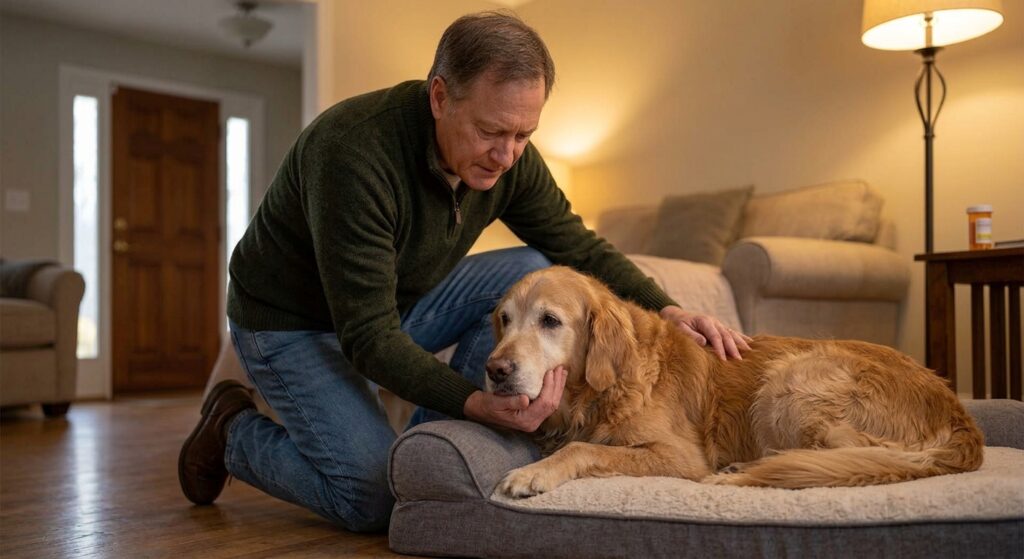
Why It’s Easy to Mistake Medical Issues for “Just Getting Older”
Many personality changes that owners chalk up to aging actually stem from treatable or manageable medical conditions. The American Animal Hospital Association emphasizes that sudden behavior changes in senior dogs should prompt veterinary evaluation rather than assumption, since pain and illness commonly present as behavioral shifts before more obvious physical symptoms appear.
Supporting a Senior Dog Through Personality Changes
- Schedule a full veterinary workup if any sudden or significant change appears, to rule out pain, illness, or cognitive decline as the underlying cause.
- Maintain consistent routines, since predictability tends to reduce stress in senior dogs, particularly those experiencing any cognitive changes.
- Adjust expectations gently, giving your dog space when they seem to want it, rather than pushing for the same level of interaction they showed years earlier.
- Keep engagement low-pressure, offering gentle affection and calm company rather than demanding play or high-energy interaction that may no longer feel comfortable.
Frequently Asked Questions
Is it normal for a senior dog to become less affectionate?
A mild reduction in seeking attention can be normal, but a dramatic or sudden shift away from affection often points to discomfort or an underlying issue rather than a simple personality change, and it’s worth a vet visit to rule out pain.
Can arthritis really cause a dog to seem more irritable?
Yes, quite commonly. Chronic pain lowers a dog’s tolerance for handling, movement, and even normal household activity, which can look like irritability or reduced patience rather than an obvious physical symptom.
How do I tell the difference between normal aging and cognitive dysfunction?
Normal aging usually involves a gradual, mild slowing down without confusion, while cognitive dysfunction typically includes disorientation, altered sleep-wake cycles, and reduced recognition of familiar people or places — a vet can help distinguish between the two with a proper evaluation.
Most personality changes in senior dogs have an identifiable cause, whether that’s normal aging or a treatable medical issue. If pain seems like a likely factor behind a behavior shift, our guide on arthritis in senior dogs covers the signs and management options worth exploring.