Catching Problems Before They Become Symptoms
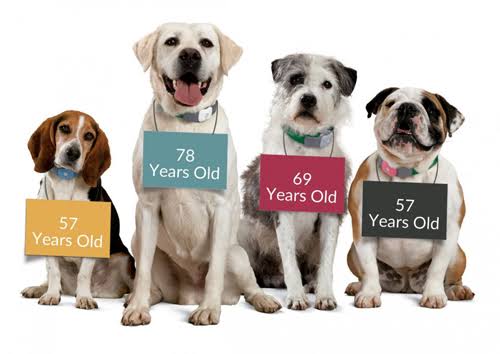
Many of the most common senior dog conditions, like kidney disease or hypothyroidism, develop quietly for a long time. Annual blood work for senior dogs often catches these changes months or years before obvious symptoms appear. This guide explains what a typical senior panel checks and why each test matters.
Why Blood Work Matters More With Age
A young, healthy dog can often go a year or two between full panels with little concern. Senior dogs are different. Organ function naturally declines with age, and catching a downward trend early gives you far more treatment options than waiting until a dog seems visibly sick.
What a Standard Senior Panel Usually Includes
Complete Blood Count (CBC)
This measures red and white blood cells and platelets. It can reveal anemia, infection, inflammation, or certain blood-related conditions.
Blood Chemistry Panel
This checks kidney and liver values, blood sugar, electrolytes, and protein levels. It’s often the first place kidney disease or diabetes shows up, sometimes before a dog shows any symptoms at all.
Kidney values often change before a dog shows any outward sign. That is why this panel matters so much for older dogs. Our guide on kidney disease in senior dogs explains what to watch for if the numbers start to shift.
Thyroid Testing (T4)
This screens for hypothyroidism, a common and very treatable condition in senior dogs that can otherwise be mistaken for normal aging.
Owners are often surprised to see a thyroid test on a routine panel. It earns its place because the signs are easy to mistake for aging. Our guide on hypothyroidism in senior dogs explains what the results can mean.
Urinalysis
Paired with blood work, a urine sample helps assess kidney function more accurately and can catch urinary tract infections or early signs of diabetes.
Blood Pressure Check
High blood pressure becomes more common with age and can relate to kidney disease, heart issues, or other conditions. Many vets now include this as a standard part of senior wellness visits.
The Senior Panel at a Glance
| Test | What it checks | What it can flag |
|---|---|---|
| Complete blood count (CBC) | Red cells, white cells, and platelets | Anemia, infection, inflammation |
| Blood chemistry panel | Kidney and liver values, blood sugar, electrolytes, protein | Kidney disease, diabetes, liver problems |
| Thyroid test (T4) | Thyroid hormone level | Hypothyroidism |
| Urinalysis | Urine concentration and contents | Urinary infections, kidney changes, early diabetes |
| Blood pressure check | Pressure in the arteries | High blood pressure linked to kidney or heart problems |

How to Read the Results With Your Vet
A single result outside the “normal” range doesn’t always mean disease. Your vet interprets values in context, alongside your dog’s breed, history, and previous results. This is exactly why keeping consistent annual records matters: a value that’s technically normal but has shifted significantly from last year can be more meaningful than one slightly outside the reference range.
Many owners say the result sheet feels like a foreign language. Keep each year’s results in one place so you can compare them. Ask your vet for a printed copy every time, and write down the numbers, not just the word “normal.”
Yearly Results Tracker
| Test | Last year | This year | Change or vet’s comment |
|---|---|---|---|
| Kidney values | |||
| Liver values | |||
| Blood sugar | |||
| Thyroid (T4) | |||
| Blood pressure | |||
| Weight |
Bring last year’s sheet to every visit.
How Often Should Senior Dogs Get Blood Work?
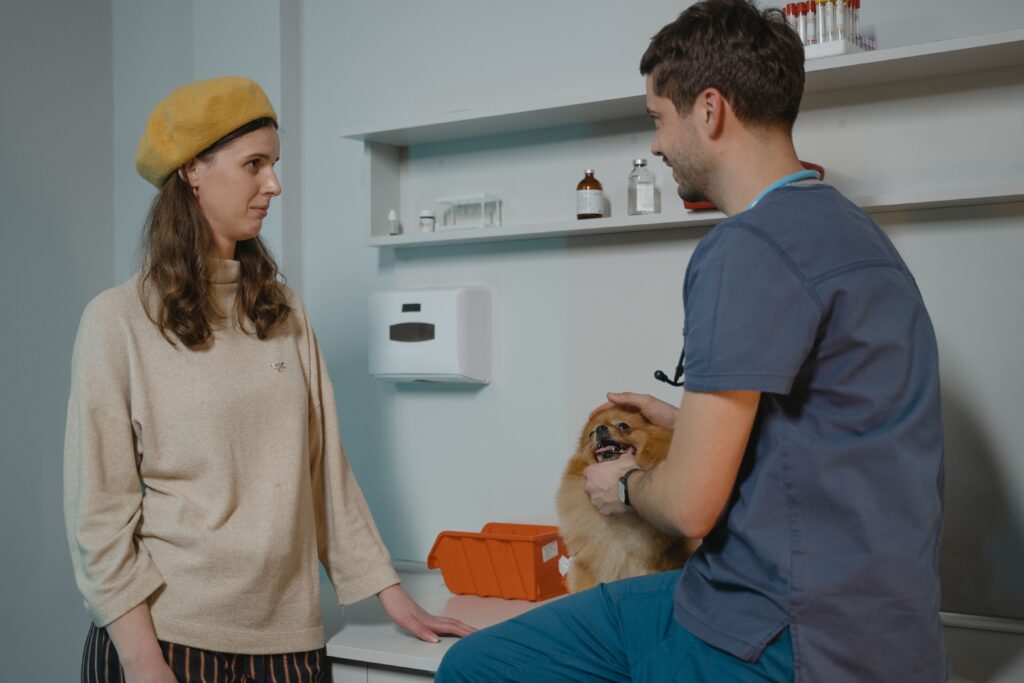
Most vets recommend annual blood work starting around 7 years old, and some recommend every six months for dogs over 10 or those managing an existing condition. Dogs on long-term medication, like thyroid or seizure medication, often need more frequent monitoring regardless of age.
How to Prepare for the Blood Draw
- Ask your vet whether your dog should fast, and for how long
- Bring a fresh urine sample if your vet asks for one
- Bring a list of all medications and supplements
- Note any changes in thirst, appetite, or weight
- Bring past results if your dog had tests at another clinic
Frequently Asked Questions
Is annual blood work necessary if my dog seems perfectly healthy?
Yes, and this is actually the main point. Blood work catches problems before symptoms appear, which is exactly when treatment tends to work best.
How much does senior dog blood work typically cost?
Cost varies by clinic and region, and by how many tests are included. Ask your vet for a breakdown of what’s included in a “senior panel,” since these vary between practices.
Can blood work alone catch everything, or does my dog still need a physical exam?
Blood work is one piece of the picture. It works best alongside a hands-on physical exam, since some conditions, like arthritis or dental disease, don’t show up in blood values. The American Animal Hospital Association has more on what a complete senior wellness visit should include.
Does my dog need sedation for blood work?
Usually not. The vet takes the sample with a small needle, and most dogs need only gentle restraint. Anxious dogs may get mild sedation, so ask your vet if your dog gets nervous at the clinic.
How long do blood work results take?
It depends on the test. Some in-clinic tests give results within the hour. Samples sent to an outside lab can take a day or two. Ask your clinic what to expect.
Does my dog need blood work before a dental cleaning?
Often, yes. Vets use pre-anesthetic blood work to check organ function before sedation. Our guide on dental disease in older dogs explains what to expect from the whole process.
Does a normal result mean my dog is perfectly healthy?
Not always. Normal results are reassuring, but some conditions only show up on a physical exam or imaging. Keep your regular check-ups even when the numbers look good.
This article is for informational purposes only and is not a substitute for professional veterinary advice. Always consult your vet about your dog’s specific health needs.
Blood work is just one part of a full senior check-up. Our guide on senior dog wellness exams covers everything else your vet visit should include and how often to schedule one.
Routine tests are often a wellness add-on, not standard cover. Our guide to pet insurance for senior dogs shows what plans usually pay for.