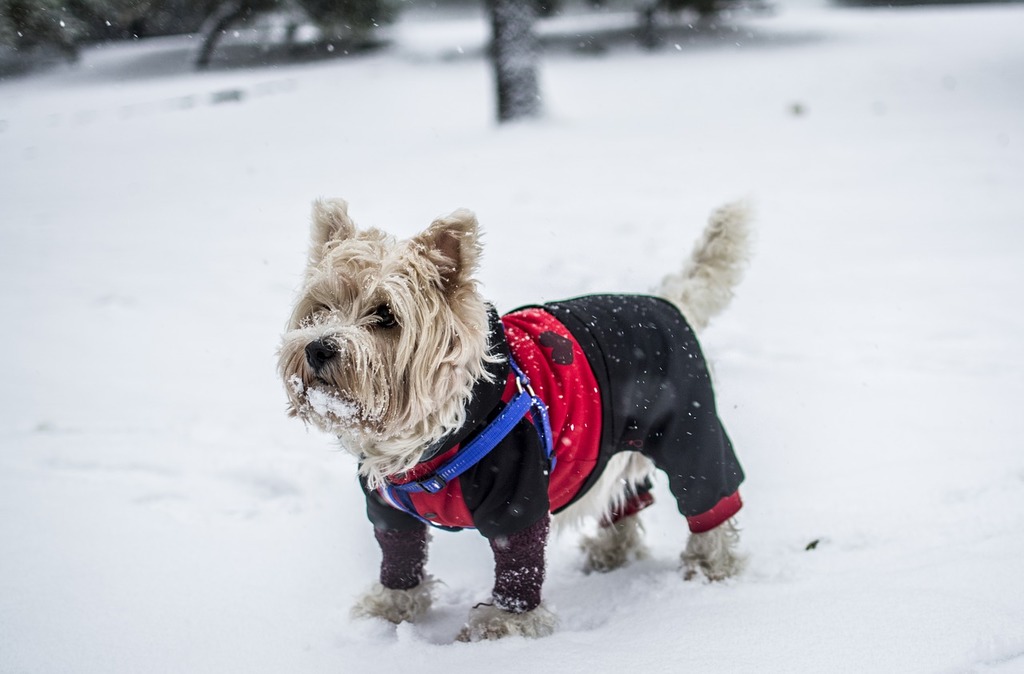
Why Cold Weather Hits Older Dogs Harder
A dog who used to shrug off winter walks without a second thought may start shivering or hesitating at the door as they age. Winter coats for senior dogs aren’t just a style choice. They genuinely help with a real, age-related change in how a dog regulates body heat. This guide covers why this happens and how to choose a coat that actually helps.
Why Senior Dogs Feel the Cold More
Older dogs often lose body fat and muscle mass, both of which help insulate the body against cold. Conditions like arthritis can also worsen in cold, damp weather, making a chilly walk more uncomfortable on top of the temperature itself. Thinner or patchier coats, common with age, remove another layer of natural protection.
Signs Your Senior Dog Needs Extra Warmth
- Shivering during or after time outside
- Reluctance to go outside in cold weather
- Seeking out warm spots indoors more than usual
- Stiffness that seems worse in cold weather
- A visibly thin or patchy coat
Many owners say the signs are easy to blame on “just getting old.” A short log shows whether the cold is the trigger.
7-Day Cold Weather Log
| Day | Outdoor temperature | Time outside | Shivering or stiffness? | Behavior at the door | Notes |
|---|---|---|---|---|---|
| Day 1 | |||||
| Day 2 | |||||
| Day 3 | |||||
| Day 4 | |||||
| Day 5 | |||||
| Day 6 | |||||
| Day 7 |
Bring this log to your vet if the stiffness continues.
What to Look for in a Good Winter Coat
Full Coverage Without Restricting Movement
A good coat covers the chest, back, and belly without limiting a dog’s natural gait, which matters especially for a dog already dealing with joint stiffness or reduced mobility.
Easy On-and-Off Design
Look for coats with wide openings, Velcro closures, or a wrap-style design rather than ones requiring a dog to step through narrow leg holes, which can be uncomfortable for a dog with arthritis.
Water-Resistant Outer Layer
A water-resistant shell keeps a dog dry in snow or rain, which matters a lot for maintaining body temperature, since wet fur loses insulating value quickly.
Warm, Breathable Lining
Fleece or similar breathable linings provide warmth without overheating a dog during more active moments of a walk.
Coat Features at a Glance
| Feature | Why it matters | What to check |
|---|---|---|
| Full coverage | Warms the chest, back, and belly | Does it leave the legs free to move? |
| Easy on and off | Spares stiff joints | Wide openings, Velcro, or a wrap style |
| Water-resistant shell | Wet fur loses warmth quickly | A shell that sheds snow and rain |
| Breathable lining | Prevents overheating during a walk | Fleece or a similar soft lining |
Getting the Right Fit
Measure your dog’s neck, chest, and back length before buying, and check the specific brand’s sizing chart rather than assuming sizes are standard across brands. A coat that’s too tight can restrict movement and chafe, while one that’s too loose won’t retain heat effectively and may shift or slip during a walk.
Measure Before You Buy
| What to measure | Your number | Why it matters |
|---|---|---|
| Neck, at the base | Sets the collar size | |
| Chest, at the widest point behind the front legs | Decides how snug the coat feels | |
| Back length, from the base of the neck to the base of the tail | Decides how far the coat covers | |
| Weight | Helps you check the brand’s size chart |
Fit Check
- You can slide two fingers under the chest strap
- The coat does not rub the armpits
- Your dog’s stride looks normal
- The coat stays in place during a walk
- It covers the chest, back, and belly
Helping a Reluctant Dog Get Used to a Coat
Some dogs resist wearing a coat initially. Let your dog sniff and investigate it first, then use treats and short indoor practice sessions before heading outside in it. Most dogs adjust within a few tries, especially once they associate the coat with going on a walk they enjoy.
Coat Practice Steps
- Let your dog sniff the coat and give a treat.
- Drape the coat lightly over your dog’s back and give a treat.
- Fasten it for a few seconds indoors, then reward your dog.
- Let your dog wear it for a few minutes indoors.
- Wear it on a short walk.
Go back one step if your dog backs away.
Many owners say the coat soon becomes a signal that a favorite walk is coming. A warm, supportive bed helps at home too. Our guide to the best orthopedic beds for senior dogs compares your options.
Cold-Weather Walk Checklist
- Keep walks shorter in very cold weather
- Avoid icy or slippery ground
- Wipe the paws after each walk to remove ice melt and salt
- Dry your dog’s coat and paws when you get home
- Watch for shivering and head inside if it starts
- Keep your dog’s bed away from drafts
Frequently Asked Questions
Do all senior dogs need a winter coat?
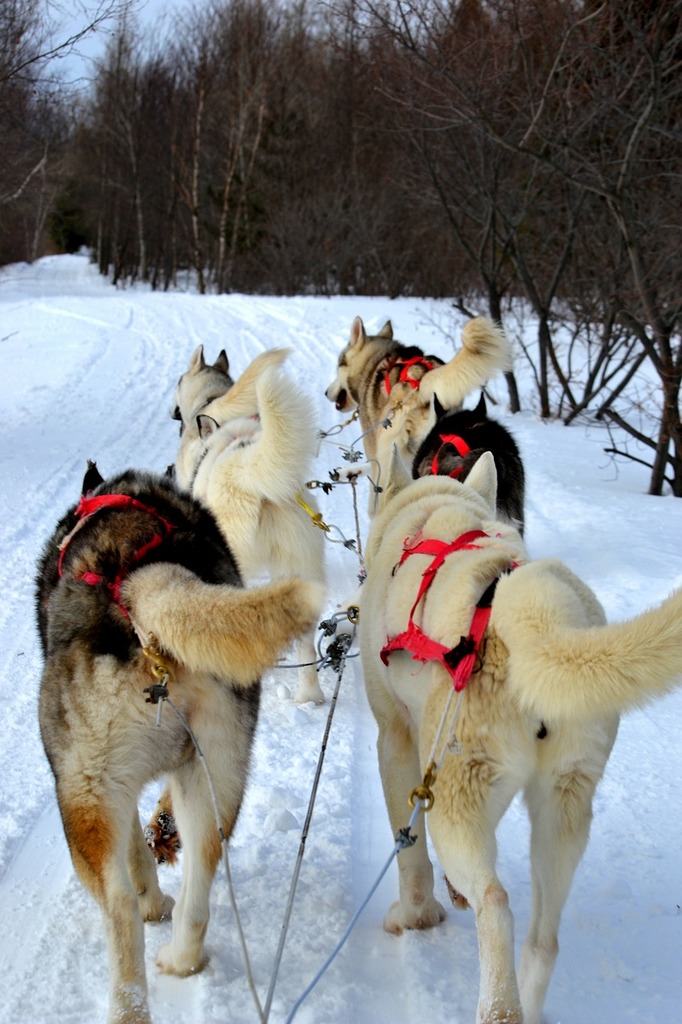
Not necessarily. Breeds with thick double coats, like Huskies, often tolerate cold well even into their senior years. Thinner-coated breeds and small dogs typically benefit the most.
Can a coat help with arthritis pain in cold weather?
Indirectly, yes. Keeping muscles and joints warm during a walk can reduce stiffness, though a coat doesn’t replace proper pain management for arthritis itself. The American Kennel Club has more on cold weather safety for dogs.
How do I know if a coat is too warm for my dog?
Watch for excessive panting or a dog trying to lie down and stop moving during a walk, both signs the coat may be too heavy for the current temperature or activity level.
How cold is too cold for my senior dog?
It depends on your dog’s breed, coat, and health. Thin-coated and small dogs feel the cold sooner. Keep outings short, and head inside if your dog starts to shiver.
Can my dog wear the coat indoors?
Usually not. A coat can make your dog too warm in a heated room. Take it off when you come inside, and watch for panting.
How do I clean a dog coat?
Follow the care label. Dry the coat fully before the next walk, since a damp lining loses warmth.
Should my dog wear boots too?
Some dogs benefit from boots, but many dislike them. Wiping the paws after each walk is often enough. Ask your vet if the pads crack or bleed. Our guide on skin and coat care for aging dogs includes tips for paw checks.
This article is for informational purposes only and is not a substitute for professional veterinary advice. Always consult your vet about your dog’s specific health needs.
If joint stiffness seems to be part of the picture, our guide on arthritis in senior dogs covers symptoms and treatment options worth discussing with your vet.