Why the Coat Often Tells the Story First
A dog’s coat and skin often show the first visible signs of aging, sometimes before anything else changes. Good skin and coat care for aging dogs does more than keep them looking tidy. It helps you catch health problems early and keeps your dog genuinely comfortable. This guide covers what’s normal, what’s not, and how to build a simple routine that works.
Normal Age-Related Changes vs. Warning Signs
What’s Usually Normal
- Gradual graying, especially around the muzzle and face
- Slightly thinner or coarser coat texture
- Slower coat regrowth after grooming or minor injuries
- Reduced natural oil production, leading to a drier feel
What’s Worth a Vet Visit
- Patchy hair loss in specific areas
- Persistent itching, redness, or flaking
- New lumps, sores, or areas that won’t heal
- A sudden change in coat texture or thickness
- Unusual odor from the skin
Sudden or patchy changes often point to an underlying issue, like a hormonal condition, allergies, or parasites, rather than typical aging.
Common Causes Behind Skin and Coat Problems in Senior Dogs
Hormonal Conditions
Hypothyroidism and Cushing’s disease both commonly cause coat thinning, dullness, and skin changes in older dogs, often alongside other symptoms like weight changes or increased thirst.
Reduced Grooming Behavior
Arthritis or dental pain can make a dog less able or willing to groom themselves properly, leading to matting, odor, or skin irritation that wouldn’t happen in a younger, more mobile dog.
Nutritional Factors
A diet lacking adequate omega-3 fatty acids or overall nutrition can show up first in the coat, since skin and hair are lower priorities for the body compared to organ function.
Allergies and Skin Infections
Age doesn’t eliminate allergies, and some dogs develop new sensitivities later in life. Chronic licking, scratching, or recurring skin infections deserve a proper vet workup rather than ongoing home treatment alone.
6-Week Coat and Skin Log
| Week | Itching or licking | Coat (texture, shedding, patches) | Skin (redness, flakes, odor) | Grooming done | Notes |
|---|---|---|---|---|---|
| Week 1 | |||||
| Week 2 | |||||
| Week 3 | |||||
| Week 4 | |||||
| Week 5 | |||||
| Week 6 |
Bring this log and the photos to your vet if the changes continue.
Building a Simple Grooming Routine
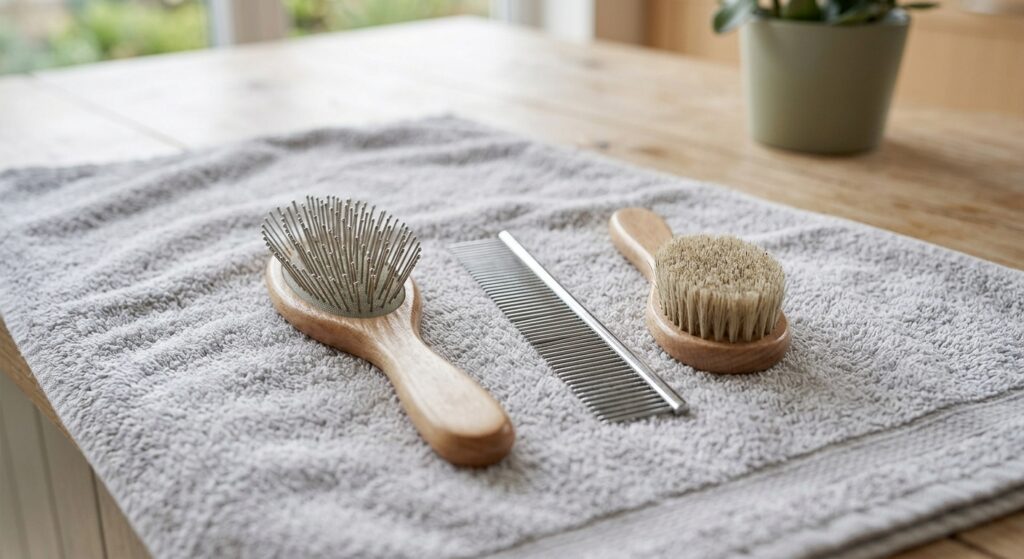
Regular Brushing
Brushing a few times a week removes loose fur, distributes natural oils, and gives you a chance to spot new lumps or skin changes early, all while being a low-effort activity for a senior dog.
What to Check While You Brush
- Run your hands over the whole body, slowly
- Part the fur and look at the skin for redness or flakes
- Feel for new lumps, sores, or areas that will not heal
- Notice any unusual odor from the skin
- Check the ears, between the toes, and under the tail
- Write down anything new and where you found it
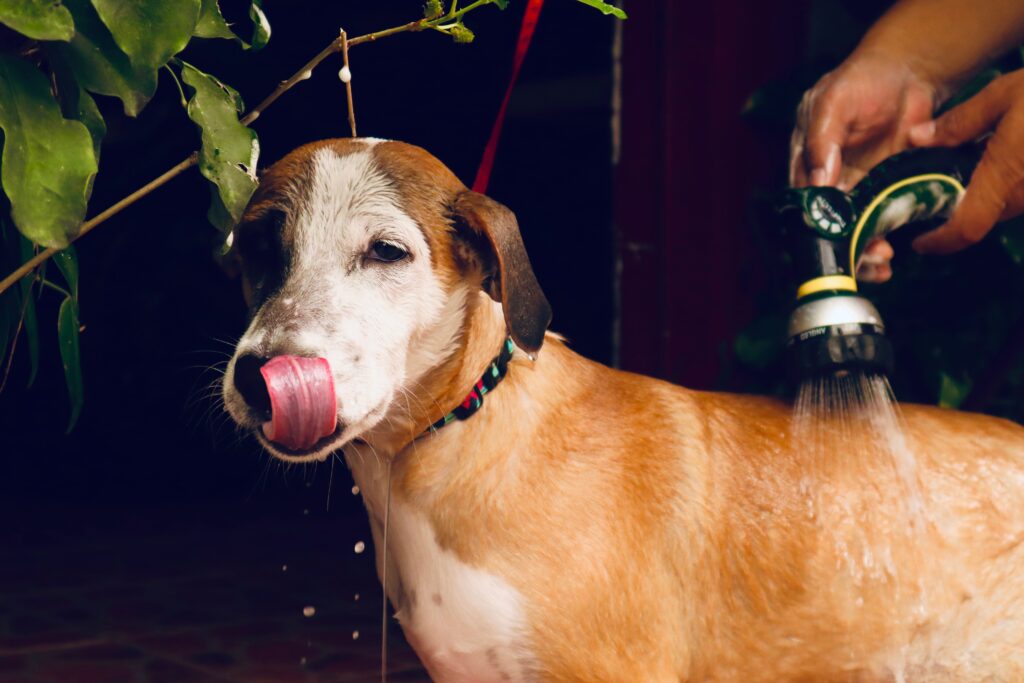
Gentle Bathing
Senior dogs generally need less frequent bathing than younger dogs, since over-bathing can strip natural oils and dry out already-sensitive skin. A moisturizing, dog-specific shampoo helps when baths are needed.
Nail and Paw Checks
While not strictly a coat issue, regular paw checks catch cracked pads, overgrown nails, or between-toe irritation that can otherwise go unnoticed under fur.
Omega-3 Support
Fish oil or other omega-3 supplements, added with your vet’s guidance, can support skin and coat health from the inside, especially in dogs already showing some dullness or dryness.
Senior Grooming Routine at a Glance
| Task | How often | Why it helps |
|---|---|---|
| Brushing | A few times a week | Removes loose fur and helps you spot changes |
| Bathing | Only when needed, with dog shampoo | Avoids drying out sensitive skin |
| Nail and paw check | Regularly | Catches cracked pads and irritation under the fur |
| Professional grooming | Often every 6 to 8 weeks, depending on coat | Keeps the coat tidy between home care |
| Omega-3 supplement | Only as your vet advises | Supports skin and coat from the inside |
Questions to Ask Before Adding Omega-3
- Which product and dose suit my dog’s weight?
- Could it interact with my dog’s medications?
- How much EPA and DHA should the label show?
- Should I start with a smaller amount and build up?
- What changes should I watch for in my dog’s stool?
Frequently Asked Questions
Is graying fur a sign of poor health?
No, graying is a completely normal part of aging and isn’t itself a health concern.
How often should a senior dog be groomed professionally?
This varies by coat type and breed, but many senior dogs do well with professional grooming every 6 to 8 weeks, with brushing at home in between.
Can diet really improve a dull coat?
Yes, in many cases. A nutritionally complete diet with adequate omega-3s often improves coat quality within a few weeks to months. The American Kennel Club has more on nutrition’s role in skin and coat health.
Can I use human shampoo on my senior dog?
No. Dog skin has a different pH from human skin, and human shampoo can dry it out. Use a moisturizing shampoo made for dogs.
Why does my senior dog smell even after a bath?
A lingering smell can point to a skin infection, an ear infection, or dental disease. If the odor keeps coming back, ask your vet to check. Our guide on dental disease in older dogs explains the warning signs in the mouth.
Is flaky or greasy skin normal in older dogs?
Mild dryness is common with age. Persistent flakes, greasy patches, or itching are not. Mention them to your vet, since they can signal allergies or a hormonal problem.
How do I groom a dog with sore joints?
Keep sessions short and let your dog lie down on a non-slip mat. Brush gently and stop if your dog shows pain. Ask your vet about pain control if grooming has become hard. Our guide on arthritis in senior dogs covers the signs and treatment options.
This article is for informational purposes only and is not a substitute for professional veterinary advice. Always consult your vet about your dog’s specific health needs.
If your dog’s skin issues seem tied to broader appetite or energy changes, our guide on hypothyroidism in senior dogs covers a common underlying cause worth ruling out.