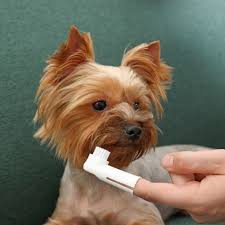
More Than Just Bad Breath
Bad breath is often the first thing owners notice. But dental disease in older dogs goes far beyond smell. Most dogs already show some signs of dental disease by age three. It only gets more serious with time if left untreated. This guide covers what’s actually happening in your dog’s mouth. It also walks through the warning signs worth watching for, and how prevention works at any age.
What Dental Disease Actually Is
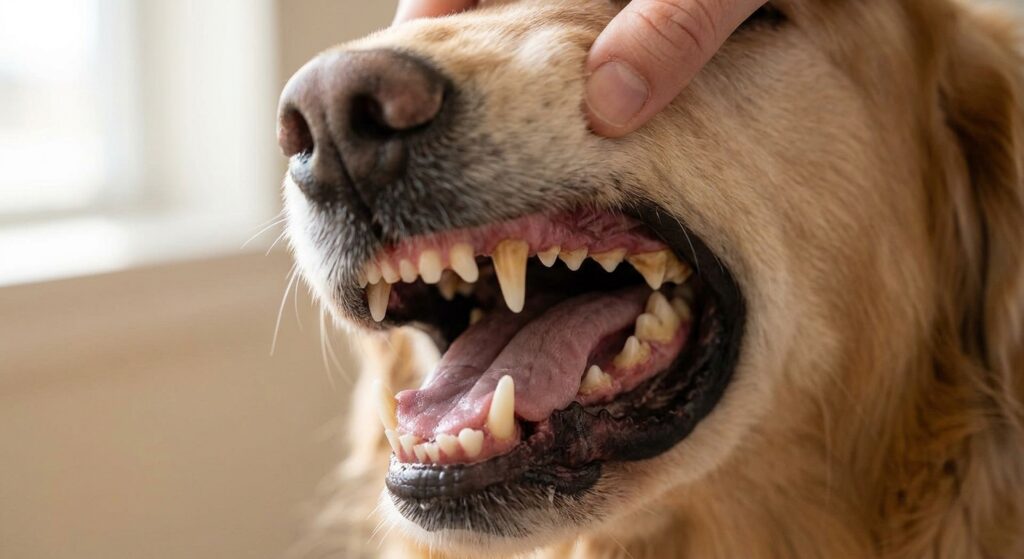
Dental disease usually starts with plaque. This is a soft film of bacteria that builds up on the teeth. Left alone, it hardens into tartar, which irritates the gums. Over time, this leads to periodontal disease — inflammation and infection below the gumline that damages the structures holding teeth in place. In advanced stages, dogs can lose teeth and develop chronic pain and infection that spreads beyond the mouth.
Warning Signs of Dental Disease
- Persistent bad breath that doesn’t improve with normal cleaning
- Yellow or brown tartar buildup, especially near the gumline
- Red, swollen, or bleeding gums
- Reluctance to chew hard food or toys, or dropping food while eating
- Pawing at the mouth or face
- Loose or visibly damaged teeth
Dogs hide dental pain well. A dog can have significant disease without any obvious change in appetite or behavior.
Many owners say they only noticed the problem when their dog dropped food or turned away from a favorite chew. A quick look inside your dog’s mouth once a week helps you spot changes early. If your dog resists, stop and ask your vet to check instead.
| Week | Breath | Gums (pink, red, or bleeding) | Tartar | Eating or chewing | Notes |
|---|---|---|---|---|---|
| Week 1 | |||||
| Week 2 | |||||
| Week 3 | |||||
| Week 4 |
Share this log with your vet at the next check-up.
Why It Matters Beyond the Mouth
Untreated dental disease isn’t just a local problem. Chronic oral infection lets bacteria enter the bloodstream. Studies have linked this to added strain on organs like the heart, liver, and kidneys over time. Senior dogs often already manage other age-related conditions. That extra burden matters more for them than it would for a younger, healthier dog.
Preventing Dental Disease at Any Age
Daily or Regular Brushing
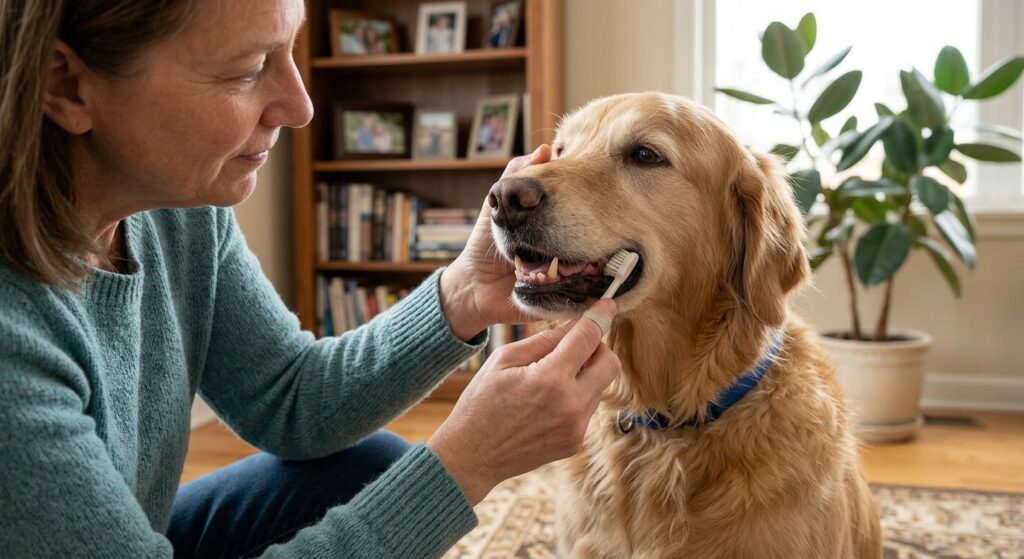
Brushing several times a week with a dog-safe toothpaste remains the single most effective thing owners can do at home. Introduce brushing gradually and reward your dog for tolerating it. Many dogs adjust better than expected, even later in life.
Dental Chews and Diets
Veterinary-approved dental chews and specially designed dental diets can help reduce plaque buildup between brushings. Look for products carrying the Veterinary Oral Health Council (VOHC) seal. Not all “dental” products on store shelves work equally well.
What to Check Before You Buy a Dental Product
- The VOHC seal on the package
- A size that matches your dog’s weight
- A texture with a little give, not rock hard
- A short ingredient list your vet has approved
- No bones, antlers, or other very hard items that can crack teeth
Professional Cleanings
Most dogs benefit from periodic professional cleanings under anesthesia, even with excellent home care. These let the vet clean below the gumline and take dental X-rays. That catches problems you can’t see on the surface.
Dental Care Options Compared
| Option | How often | Main benefit | Keep in mind |
|---|---|---|---|
| Brushing | Several times a week | Removes plaque before it hardens | Needs patience at first |
| Dental chews | As directed on the label | Helps reduce plaque between brushings | Look for the VOHC seal |
| Dental diet | Every meal | Supports plaque control | Ask your vet first |
| Professional cleaning | As your vet advises | Cleans below the gumline and allows X-rays | Needs anesthesia |
Is Anesthesia Safe for a Senior Dog’s Dental Cleaning?
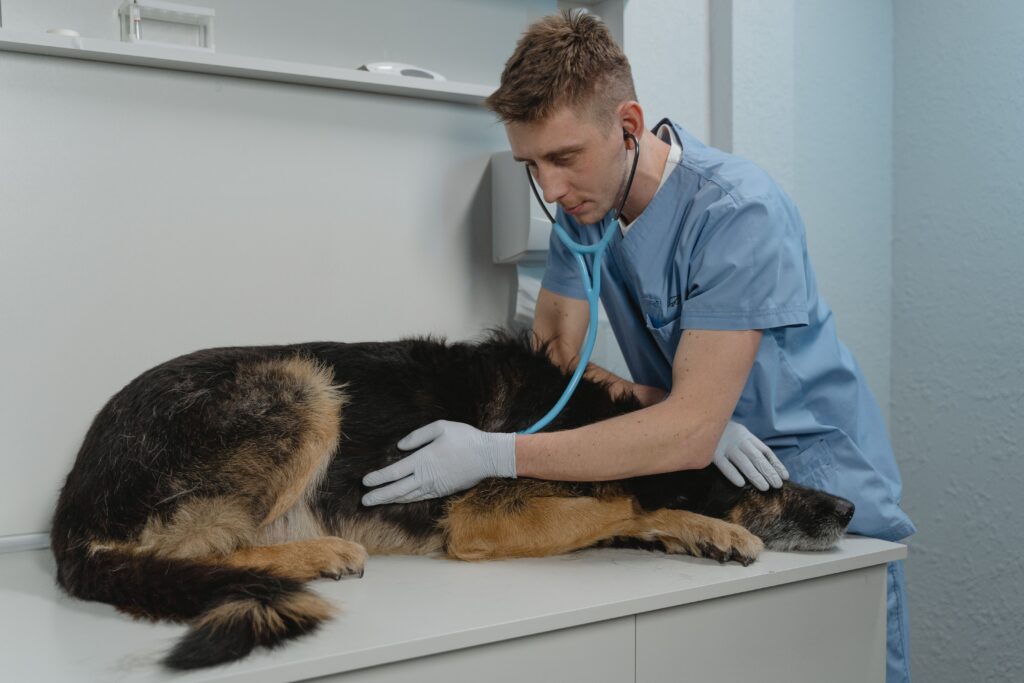
This is one of the most common concerns owners raise, and it’s a fair one. Pre-anesthetic bloodwork and a thorough physical exam help your vet assess individual risk before recommending a cleaning. For many senior dogs, treating existing dental disease actually reduces overall health risk more than skipping a necessary procedure out of caution.
Many owners feel nervous before cleaning day. A short list of questions makes the conversation with your vet easier and helps you feel prepared.
Questions to Ask Before a Dental Cleaning
- Will you run bloodwork before the procedure?
- How will you monitor my dog under anesthesia?
- Will you take dental X-rays?
- What happens if you find a tooth that needs to come out?
- What should I expect on recovery day?
Frequently Asked Questions
Is it too late to start dental care for an older dog?
No. Starting brushing or dental chews later in life still slows further buildup. This holds true even if a professional cleaning can’t reverse some existing damage.
How often should a senior dog get a professional dental cleaning?
This varies by individual dog. Many vets recommend a check at least once a year to assess whether a cleaning is needed. The American Veterinary Dental College offers additional guidance on senior pet dental care.
Can dental disease cause other health problems to get worse?
Yes. Chronic oral infection can add strain on organs already working harder due to age or existing conditions. That’s part of why vets take dental health seriously even in older dogs.
Are small dogs more prone to dental disease?
Often, yes. Small breeds tend to have crowded teeth, which trap plaque. Large dogs get dental disease too, so every dog needs regular checks.
Is bad breath always a sign of dental disease?
Usually, but not always. Kidney disease, diabetes, and digestive problems can also change a dog’s breath. Ask your vet to check any sudden or strong change. Our guide on kidney disease in senior dogs explains the other signs to watch for.
Should I pull out a loose tooth myself?
No. Never pull or wiggle a loose tooth. It can cause pain and infection. Your vet can check it and remove it safely if needed.
Can I use human toothpaste on my dog?
No. Human toothpaste can contain ingredients that harm dogs, such as xylitol. Always use a toothpaste made for dogs.
This article is for informational purposes only and is not a substitute for professional veterinary advice. Always consult your vet about your dog’s specific health needs.
If your dog has also seemed less interested in food lately, our guide on why your senior dog won’t eat covers other possible causes worth ruling out alongside dental pain.