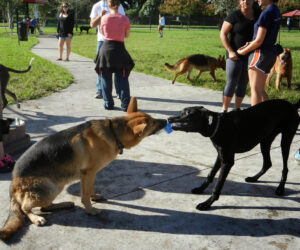
New Aggression Is a Signal, Not a Character Change
A previously easygoing dog suddenly growling, snapping, or acting defensively is alarming, and understandably scary. When a senior dog has become aggressive, it’s rarely a sudden personality shift. It’s much more often a sign of pain, fear, or a medical condition that needs attention. This guide covers the most common causes and how to approach the situation safely.
Medical Causes Behind New Aggression
Pain
Pain is one of the most common causes of new aggression in senior dogs. Arthritis, dental disease, or an injury can make a dog snap defensively when touched in a sore area, even by someone they trust completely.
Vision or Hearing Loss
A dog who can’t see or hear well may startle more easily and react defensively to sudden touch or approach, especially from behind or while sleeping.
Cognitive Decline
Canine cognitive dysfunction can cause confusion, anxiety, and irritability, sometimes leading to aggression that seems to come out of nowhere, particularly toward familiar people or other pets.
Neurological Issues
Brain tumors, seizures, or other neurological conditions can occasionally cause sudden behavior changes, including aggression, especially when paired with other new symptoms like disorientation or unusual movements.
Thyroid Imbalance
Some studies have linked thyroid dysfunction to increased irritability and aggression in dogs, adding another reason to rule out bloodwork-detectable causes before assuming a purely behavioral issue.
Possible Causes and Clues at a Glance
These are clues, not diagnoses. Only your vet can find the cause.
| Possible cause | Clues that often come with it | Read our guide |
|---|---|---|
| Pain | Snapping when touched in one spot, stiffness, limping | arthritis in senior dogs |
| Vision loss | Startling when approached, bumping into objects | cataracts in senior dogs |
| Cognitive decline | Confusion, night pacing, indoor accidents | canine cognitive dysfunction |
| Neurological issues | Disorientation, unusual movements | senior dog wellness exams |
| Thyroid imbalance | Weight changes, dull coat, low energy | hypothyroidism in senior dogs |
Emotional and Environmental Triggers
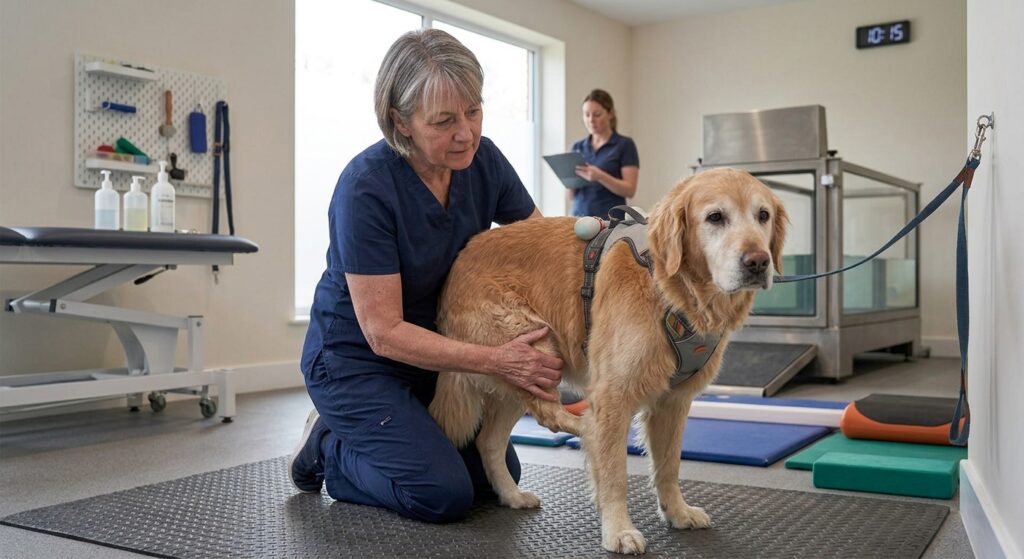
Beyond direct medical causes, senior dogs can become more reactive due to increased anxiety, changes in routine, or feeling more vulnerable due to reduced mobility or senses. A new pet, a change in the household, or even rearranged furniture can be more unsettling for an older dog than it would have been years earlier.
Ways to Make Home Feel Safer
- Give your dog a quiet resting spot away from foot traffic
- Keep the daily routine and the furniture in the same place
- Let your dog approach you instead of reaching toward your dog
- Call your dog’s name or tap the floor before you touch a sleeping dog
- Use a gate to separate your dog from children and other pets when needed
Step One: Always Rule Out Medical Causes First
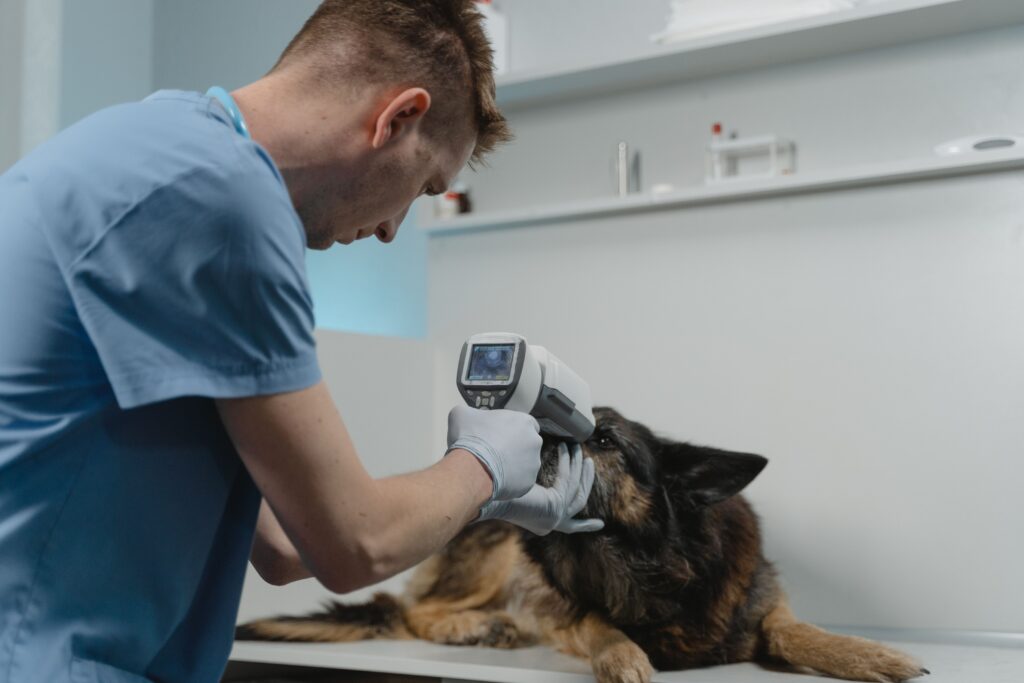
Any new aggression in a senior dog warrants a full vet exam before assuming it’s purely behavioral. This should include a physical exam checking for pain, bloodwork, and a discussion of any other new symptoms you’ve noticed, even ones that seem unrelated, like changes in appetite or sleep.
Questions to Ask Your Vet About Aggression
- Could pain be causing this behavior?
- Which tests do you recommend?
- Should we check my dog’s thyroid?
- Do you see signs of cognitive decline?
- Is medication an option?
- Can you refer us to a veterinary behaviorist?
How to Respond in the Moment
- Avoid punishing the aggression, since this often increases fear and can worsen the behavior
- Give your dog space rather than forcing continued contact
- Avoid touching areas that seem to trigger a reaction until a vet has assessed for pain
- Keep other pets and children away from the dog during an episode
- Note exactly what happened before the aggression, since patterns often reveal the trigger
Many owners say the pattern appears only after they write down each episode. Watch from a safe distance and never put yourself at risk to collect information.
Aggression Trigger Diary
| Episode | Date and time | What happened right before | Where was your dog | Who was nearby | Notes |
|---|---|---|---|---|---|
| Episode 1 | |||||
| Episode 2 | |||||
| Episode 3 | |||||
| Episode 4 | |||||
| Episode 5 | |||||
| Episode 6 |
Bring this diary to your vet or behaviorist.
Working With a Professional
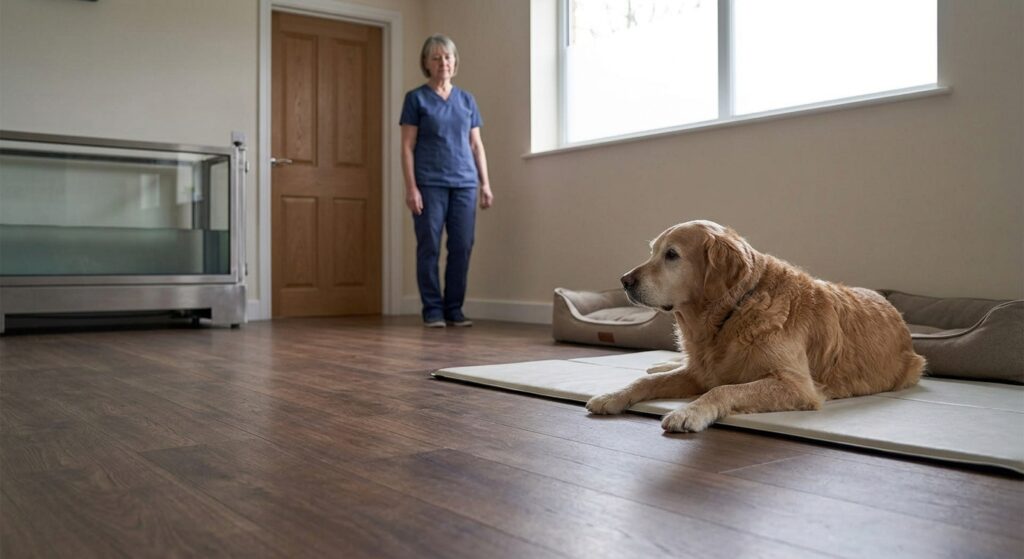
If medical causes are ruled out, a veterinary behaviorist or a certified force-free trainer experienced with senior dogs can help address the emotional or cognitive side. This is especially useful if aggression continues after pain and other medical issues have been treated.
Frequently Asked Questions
Is new aggression always caused by pain?
Not always, but pain is one of the most common and most overlooked causes, so it’s always worth ruling out first, even if your dog doesn’t seem obviously uncomfortable.
Can aggression in senior dogs be treated?
In most cases, yes, especially when the underlying cause is identified and addressed, whether that’s pain management, cognitive support, or behavioral training.
Should I be worried about my safety around an aggressive senior dog?
Take any aggression seriously and avoid situations that trigger it while working with your vet. The American Veterinary Society of Animal Behavior has resources on safely managing behavior changes in pets.
Should I use a muzzle?
A muzzle can add safety during vet visits or handling. Introduce it slowly with treats so your dog accepts it calmly. It does not replace treatment, so ask your vet or behaviorist for guidance.
Is it safe to keep my dog around children?
Supervise closely or keep them apart until your vet has assessed your dog. Never leave a child alone with a dog that has shown aggression.
How long until I see improvement?
It depends on the cause. Pain control may help within days or weeks. Behavior work usually takes longer. Your vet can give you a realistic timeline.
What if the aggression does not improve?
Most dogs improve once the cause is found and treated. If the aggression stays severe or unsafe despite professional help, talk openly with your vet and a veterinary behaviorist about the next steps.
This article is for informational purposes only and is not a substitute for professional veterinary advice. Always consult your vet about your dog’s specific health needs.
If confusion or disorientation seems to be part of the picture, our guide on canine cognitive dysfunction covers the fuller range of symptoms worth discussing with your vet.