Why Every Senior Dog Owner Should Have One
A thermometer is one of the simplest tools that can tell you fast whether a vet visit is urgent. The best dog thermometers for home use are affordable, easy to read, and quick to use, which matters a lot with a senior dog who may already be uncomfortable. This guide covers the main types, how to pick one, and how to use it correctly.
What Counts as a Normal Temperature?
A healthy dog’s normal body temperature falls between 101°F and 102.5°F. Anything above 103°F is worth monitoring closely, and anything above 104°F warrants a same-day vet call. A temperature below 99°F is also a concern and can indicate shock or another serious issue.
Types of Dog Thermometers
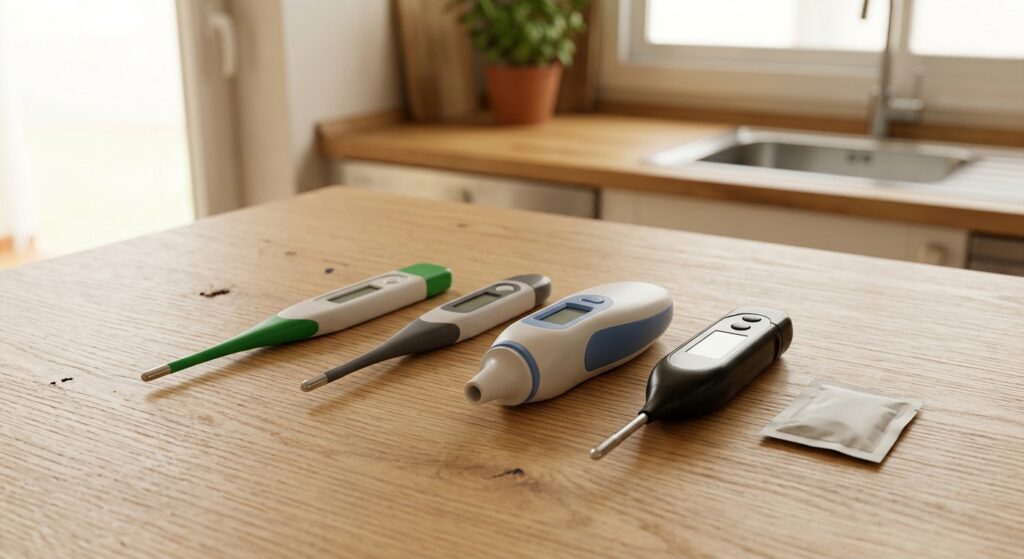
Digital Rectal Thermometers
These remain the most accurate option and give a reading within about 30 to 60 seconds. Look for one with a flexible tip and a long enough probe to use comfortably and safely.
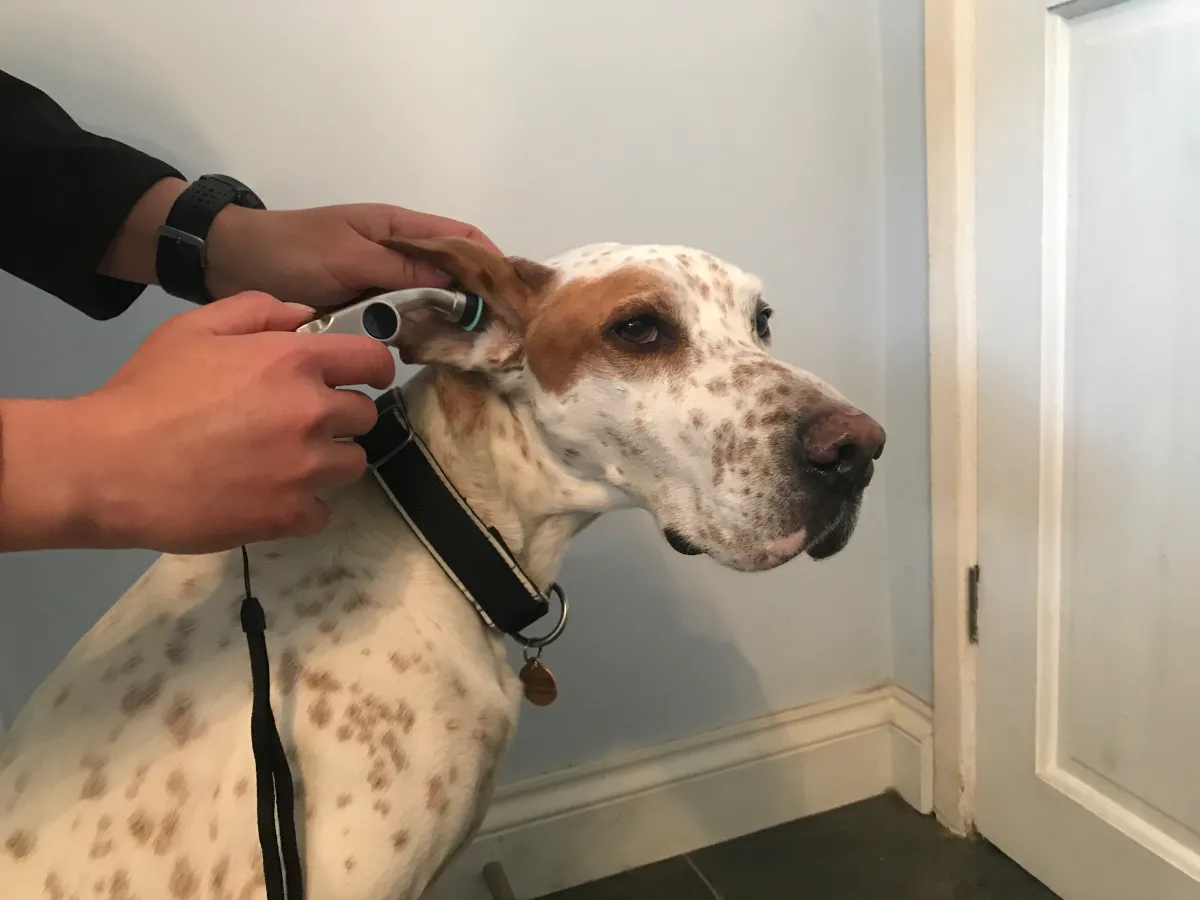
Ear (Tympanic) Thermometers
These are faster and less invasive but can be less accurate if not positioned correctly, especially in dogs with narrow or hairy ear canals, which is common in many senior dogs.
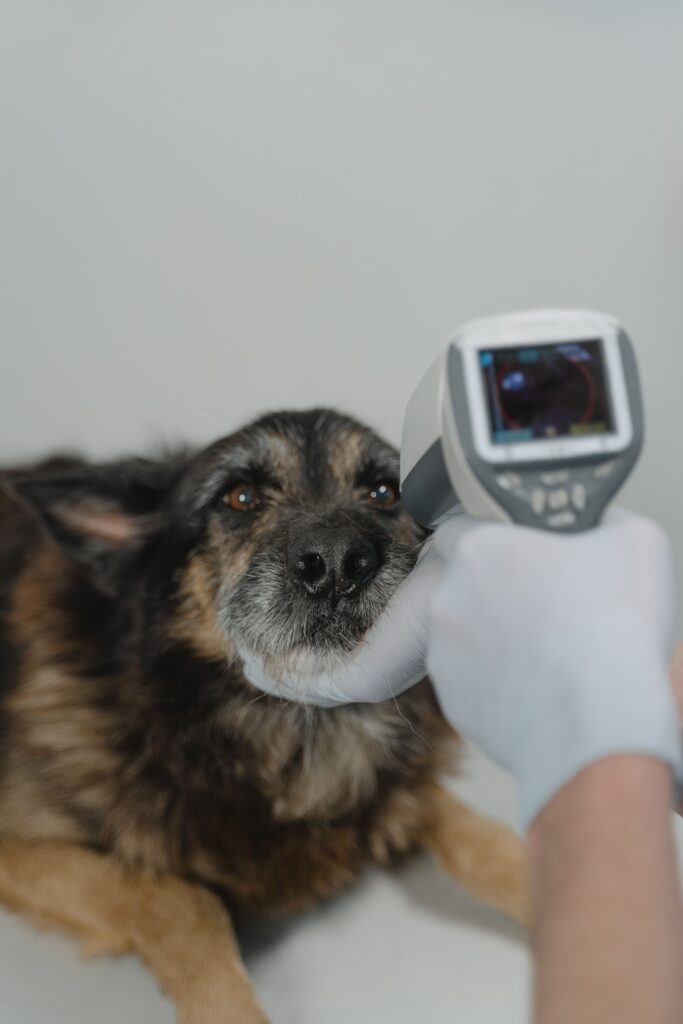
No-Touch Infrared Thermometers
These read surface temperature from a short distance and are the least invasive option, though they tend to be the least reliable for detecting a true fever compared to rectal readings.
What to Look for When Buying One
- Fast reading time, ideally under a minute, since senior dogs may not tolerate long handling well
- A clear, easy-to-read digital display, especially useful for older owners or low-light situations
- A flexible tip for rectal thermometers, which is more comfortable than a rigid one
- Waterproof and easy to clean, since hygiene matters for repeated use
Home Temperature Kit
- A digital thermometer with a flexible tip
- Pet-safe lubricant or petroleum jelly
- Disposable probe covers, if you like
- Treats for a reward afterward
- Paper towels and disinfectant wipes
- A notepad or phone to record the reading
How to Take Your Dog’s Temperature Safely
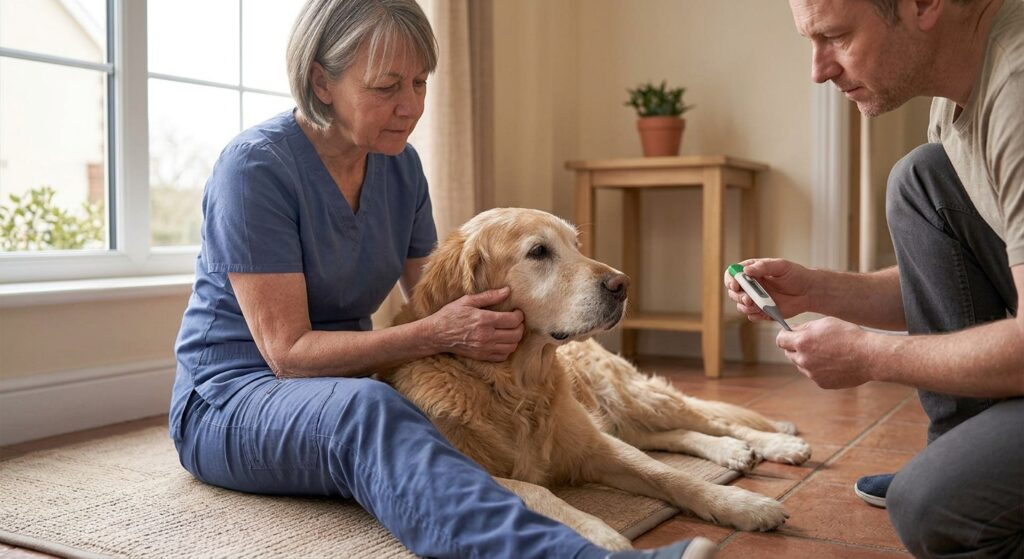
Have a second person gently hold and calm your dog if possible, especially for a first attempt. Lubricate a rectal thermometer with a pet-safe lubricant or petroleum jelly, and insert it gently about one inch, holding it steady until it beeps. Reward your dog with a treat and praise afterward, since a calm, positive association makes future readings much easier.
Step by Step
- Gather your kit and choose a calm moment.
- Ask a second person to hold and soothe your dog.
- Lubricate the tip of the thermometer.
- Lift the tail and gently insert the tip about one inch.
- Hold it steady until it beeps.
- Remove it, read the display, and clean it.
- Give your dog a treat and praise.
- Write down the reading and the time.
Stop if your dog resists strongly or seems to be in pain, and call your vet for advice.
Many owners say a calm first try matters most. Dogs that learn the routine with treats and praise tolerate it much better later. A short log of readings, with the symptoms you notice, helps your vet see the trend.
Temperature Log
| Date and time | Reading | Symptoms (tiredness, appetite, vomiting) | Action taken | Notes |
|---|---|---|---|---|
Share the log with your vet whenever you call.
When to Call the Vet Based on the Reading
A fever above 103°F paired with lethargy, loss of appetite, or vomiting deserves a same-day call. A temperature above 105°F, or one paired with collapse, seizures, or severe weakness, is an emergency and needs immediate veterinary attention. A low reading below 99°F, especially with weakness or cold extremities, also needs prompt evaluation.
Many owners say a calm first try matters most. Dogs that learn the routine with treats and praise tolerate it much better later. A short log of readings, with the symptoms you notice, helps your vet see the trend.
Temperature Log
| Date and time | Reading | Symptoms (tiredness, appetite, vomiting) | Action taken | Notes |
|---|---|---|---|---|
Share the log with your vet whenever you call.
Frequently Asked Questions
Can I use a human thermometer on my dog?
Some human digital thermometers can technically work, but pet-specific ones are designed with the right shape and durability for animal use, and rectal readings remain the most reliable method regardless of thermometer type.
Is an ear thermometer accurate enough for a senior dog?
It can work well as a quick screening tool, but a rectal reading is more reliable if you get an unusual or borderline result. The American Veterinary Medical Association has more on recognizing and responding to fever in pets.
How often should I check my senior dog’s temperature?
You don’t need to check regularly if your dog seems healthy. It’s most useful when you notice signs like lethargy, shivering, or reduced appetite and want a quick read before deciding whether to call the vet.
What if my dog will not hold still?
Do not force it. Ask a second person to help, or ask your vet to show you the technique at your next visit. If your dog is very distressed, stop and call your vet for advice.
How do I clean the thermometer?
Wash it with soap and water, then wipe it with a disinfectant or alcohol wipe according to the label. Keep the pet thermometer separate from any used by people.
Can I give my dog fever medicine at home?
No. Human fever and pain medicines such as ibuprofen or acetaminophen can be toxic to dogs. Only give medication your vet has prescribed or approved.
What should I do if my dog’s temperature is above 104°F?
Call your vet right away. If your dog may have been overheated, move your dog to a cool place and use cool water on the belly and paws while you head to an emergency vet. Our guide on how to prevent heatstroke in senior dogs during summer explains the warning signs.
This article is for informational purposes only and is not a substitute for professional veterinary advice. Always consult your vet about your dog’s specific health needs.
If you’re building a broader home care kit for your senior dog, our guide on senior dog wellness exams covers what your vet checks that a home thermometer can’t replace.