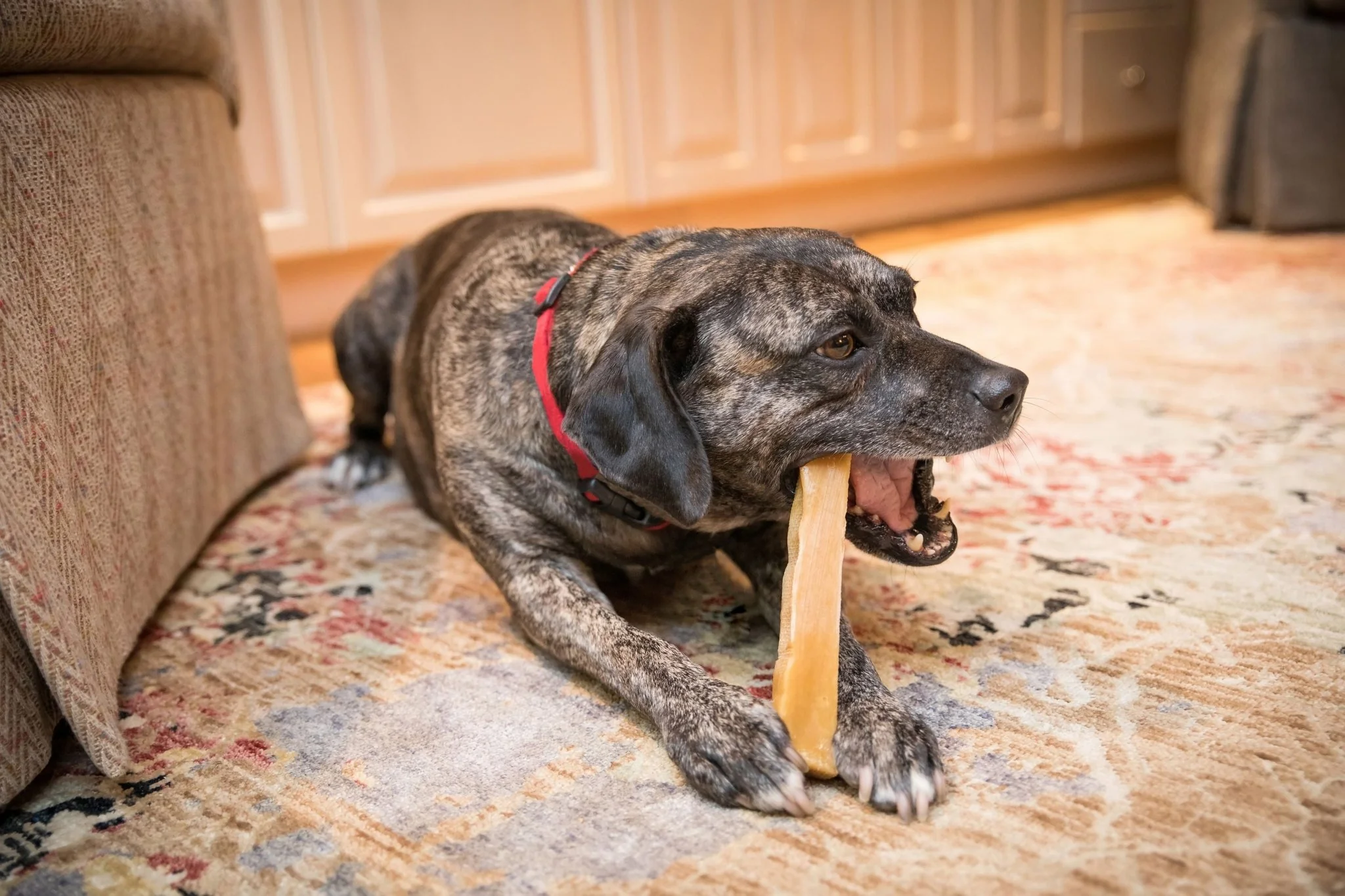
Treats Are Still Possible, Just Chosen More Carefully
A diabetes diagnosis doesn’t mean your dog has to give up treats entirely. It does mean choosing them more carefully. Healthy treats for senior dogs with diabetes need to avoid sudden blood sugar spikes, which rules out most standard commercial options. This guide covers what makes a treat diabetic-friendly and which ones are generally safe.
Why Treat Choice Matters So Much With Diabetes
Diabetic dogs rely on a consistent balance between food intake and insulin dosing. A treat high in sugar or refined carbohydrates can cause a blood sugar spike that throws this balance off, sometimes significantly. Consistency matters just as much as the treat itself, since sudden changes are harder on a diabetic dog than a steady, predictable routine.
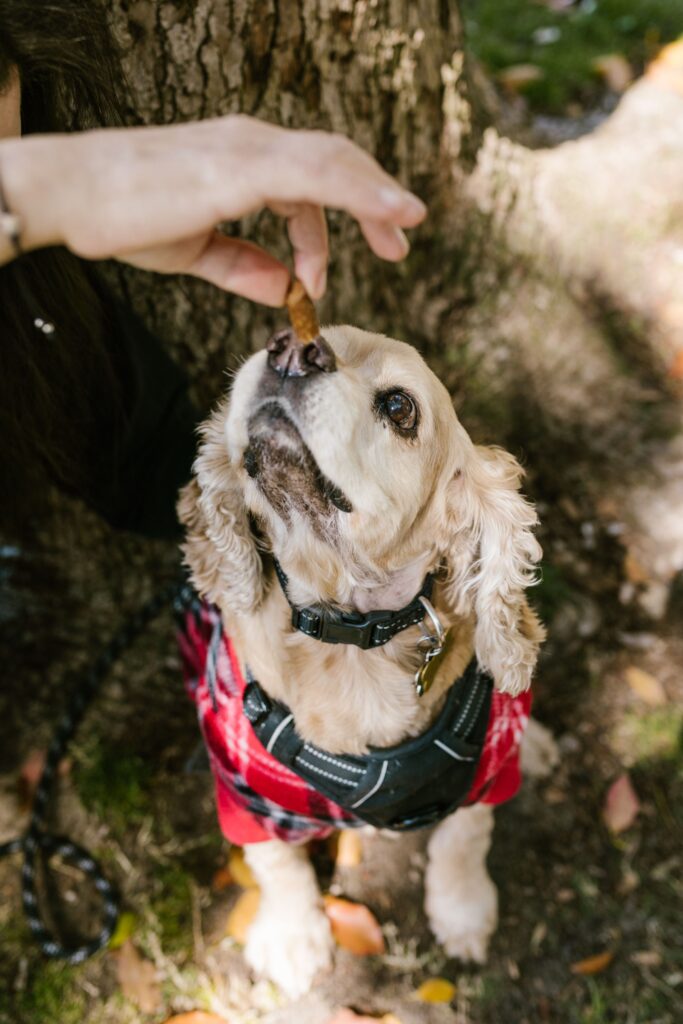
What to Avoid in Treats
- Anything containing added sugar, honey, or corn syrup
- Treats high in refined carbohydrates, like most soft, chewy commercial treats
- Grain-heavy biscuits with little fiber or protein
- Table scraps, especially starchy or sugary human foods
Spot Hidden Sugar on the Label
- Look for sugar, honey, corn syrup, molasses, and glycerin in the ingredient list
- Check which ingredients come first, since they make up most of the treat
- Remember that “natural” does not mean low in sugar
- Check the calories per treat
- Ask your vet if you are unsure about an ingredient
Safe Treat Options for Diabetic Dogs
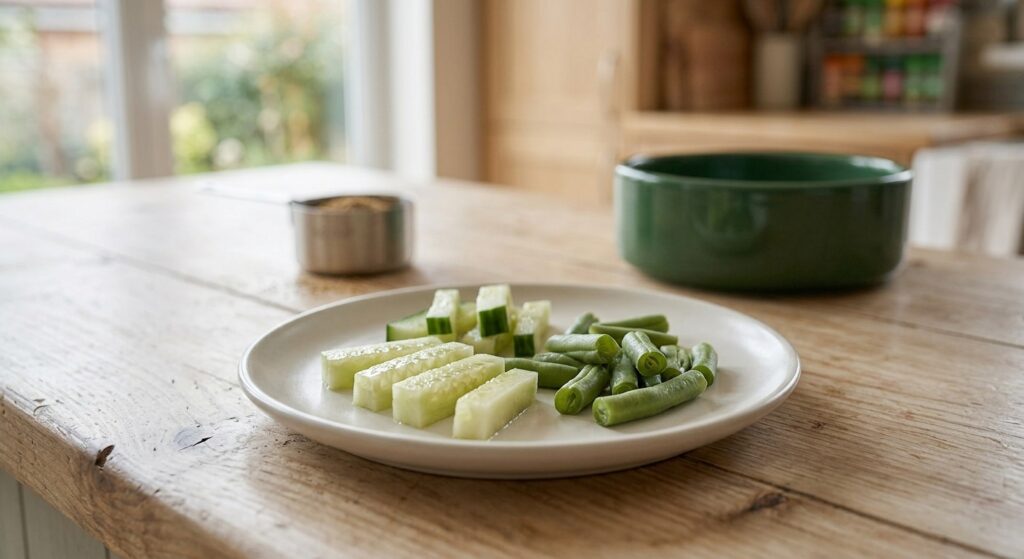
Non-Starchy Vegetables
Small pieces of cucumber, green beans, broccoli, or celery make excellent low-calorie, low-glycemic treats that most dogs enjoy.
Lean Protein
Small pieces of plain, cooked chicken breast, turkey, or lean beef offer protein without the sugar spike of carbohydrate-heavy treats.
Diabetic-Specific Commercial Treats
Some brands make treats specifically formulated for diabetic pets, with controlled carbohydrate content and no added sugar. Check the label for glycemic impact rather than trusting marketing terms like “natural” alone.
High-Fiber Options
Small amounts of plain pumpkin (not pie filling) or green beans add fiber, which can help slow sugar absorption and support more stable blood glucose levels.
Treat Choices at a Glance
Always confirm new treats with your vet first.
| Treat | Why it fits | Keep in mind |
|---|---|---|
| Cucumber, green beans, broccoli, celery | Low in calories and glycemic impact | Small pieces only |
| Plain cooked chicken breast, turkey, lean beef | Protein without a sugar spike | Plain, with no seasoning |
| Plain pumpkin | Adds fiber | Not pie filling |
| Diabetic-specific treats | Controlled carbohydrates, no added sugar | Check the label for glycemic impact |
| Small pieces of apple (no seeds), blueberries | Lower glycemic fruit options | Portion size matters |
Treats and Timing With Insulin
If your dog is on insulin, talk to your vet about the best time to give treats relative to injections and meals. Some vets recommend giving treats only around mealtimes rather than freely throughout the day, since this keeps blood sugar changes more predictable and easier to manage alongside insulin dosing.
Questions to Ask Your Vet About Treats
- When should I give treats compared with injections and meals?
- What share of daily calories can treats make up for my dog?
- Which commercial treats do you recommend?
- Are dental chews safe for my dog?
- Which signs of low or high blood sugar should I watch for after a treat?
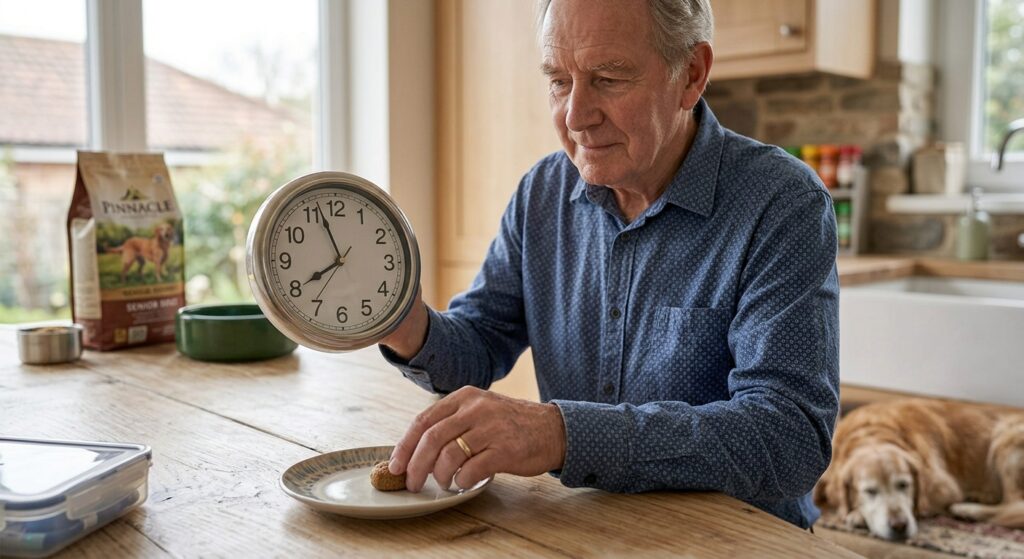
How Much Is Too Much?
Treats should still make up no more than about 10% of daily calorie intake, the same general rule that applies to non-diabetic dogs. This matters even more with diabetes, since overfeeding treats can undo careful blood sugar management even if each individual treat seems small.
Many owners say treats sneak in unnoticed. A bite from a child or a crumb from the counter adds up. A treat log shows the real total and helps you spot patterns.
7-Day Treat Log
| Day | Treats given (type and size) | Time compared with meals | Thirst or urination changes | Notes |
|---|---|---|---|---|
| Day 1 | ||||
| Day 2 | ||||
| Day 3 | ||||
| Day 4 | ||||
| Day 5 | ||||
| Day 6 | ||||
| Day 7 |
Share this log with your vet. Never change your dog’s insulin dose on your own.
Frequently Asked Questions
Can diabetic dogs have fruit as a treat?
Some fruits, like small pieces of apple (no seeds) or blueberries, are lower glycemic options, but portion size matters a lot. Check with your vet before adding fruit regularly, since sugar content varies by type.
Are dental chews safe for diabetic dogs?
Many standard dental chews contain glycerin or other sweeteners that aren’t ideal. Look for low-carbohydrate dental products or ask your vet for a specific recommendation.
How do I know if a treat caused a blood sugar spike?
If you’re monitoring blood glucose at home, a spike shortly after a treat is a clear sign. Without home monitoring, watch for increased thirst, urination, or lethargy as possible indirect signs worth mentioning to your vet. The American Animal Hospital Association has additional resources on managing diabetes in dogs.
Can I give my diabetic dog peanut butter?
Only with care. Many brands contain added sugar, and some contain xylitol, which is toxic to dogs. Check the label and ask your vet before you offer any.
Can I use my dog’s regular food as treats?
Many vets suggest it. Using part of the daily food ration as treats keeps carbohydrates steady. Ask your vet how to split the portions. Our guide on helping an overweight senior dog lose weight safely explains how to count treats toward the daily total.
Should I give a treat if my dog’s blood sugar seems low?
Do not rely on treats. Weakness, shaking, or collapse can signal dangerously low blood sugar. Call your vet or an emergency clinic right away.
What if my dog refuses diabetic-friendly treats?
Try a different safe option, such as another vegetable or a small piece of plain cooked chicken. Do not switch to sugary treats to win your dog over. Ask your vet for more ideas.
This article is for informational purposes only and is not a substitute for professional veterinary advice. Always consult your vet about your dog’s specific health needs.
If you’re building a full feeding plan around diabetes, our guide on wet vs dry food for senior dogs covers which format tends to work better for blood sugar control.