A Common Condition That’s Often Mistaken for “Just Slowing Down”
Weight gain, low energy, and a dull coat can look like normal aging. Sometimes, though, they point to hypothyroidism in senior dogs, one of the most common hormonal conditions in older dogs. The good news is that it’s usually simple and affordable to manage once diagnosed. This guide covers the symptoms, how vets test for it, and what daily treatment actually looks like.
What Hypothyroidism Actually Is
The thyroid gland produces hormones that control metabolism. When it doesn’t produce enough, nearly every system in the body slows down. This condition develops gradually in most dogs, which is part of why the early signs get missed or blamed on age.
Normal Aging or Time for a Thyroid Check?
Age explains some changes. This table shows when a blood test is worth asking about.
| Sign | Common with age | Worth a thyroid check if |
|---|---|---|
| Low energy | Slower walks and longer naps | Interest drops sharply, along with other signs |
| Weight gain | Slow change with less activity | Your dog gains weight on the same food and exercise |
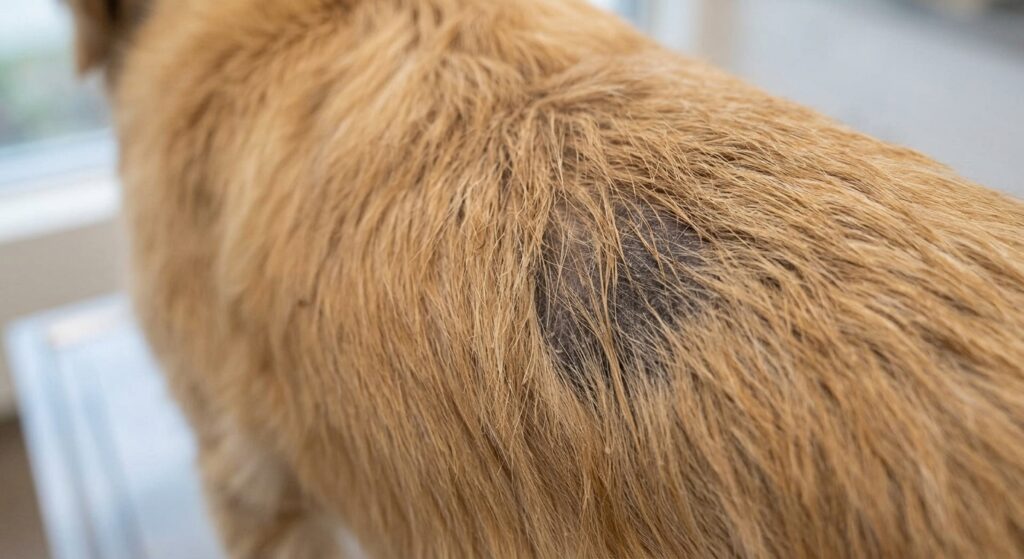
| Coat | Some graying and thinning | The coat looks dull or patchy and regrows slowly |
| Skin | Occasional dryness | Infections or flaky skin keep coming back |
| Temperature | Likes a warm bed | Your dog seeks warm spots far more than before |
Common Symptoms to Watch For
- Unexplained weight gain despite no change in diet
- Low energy or reduced interest in walks and play
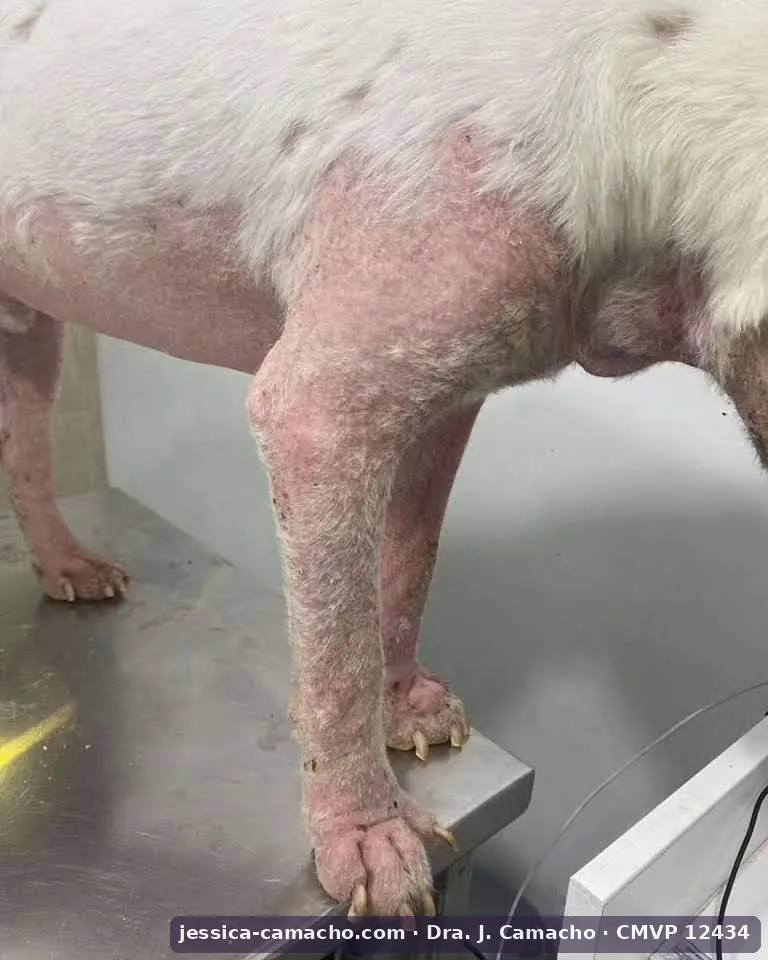
- A dull, thinning, or patchy coat
- Increased shedding or slow hair regrowth after grooming
- Cold intolerance or seeking out warm spots more than before
- Skin infections or flaky skin that keeps recurring
Many dogs show only a few of these symptoms at first, which is why vets look at the full pattern rather than a single sign.
Many owners say the changes crept in so slowly that they cannot say when they started. A short diary makes the pattern visible. Take a photo of your dog’s coat each week so you can compare.
6-Week Symptom Diary
| Week | Energy | Coat and skin | Appetite and weight | Seeks warm spots? | Notes |
|---|---|---|---|---|---|
| Week 1 | |||||
| Week 2 | |||||
| Week 3 | |||||
| Week 4 | |||||
| Week 5 | |||||
| Week 6 |
Bring this diary and the photos to your vet visit.
Which Dogs Are Most at Risk?
Hypothyroidism can affect any dog, but medium to large breeds show it more often, including Golden Retrievers, Doberman Pinschers, and Cocker Spaniels. Middle-aged to senior dogs face the highest risk, though it can appear earlier in predisposed breeds.
How Vets Diagnose It
A blood test measuring thyroid hormone levels, usually total T4 and sometimes a fuller thyroid panel, confirms the diagnosis. Since other illnesses can temporarily lower thyroid levels, your vet may run additional bloodwork to rule out conditions that mimic hypothyroidism before settling on a diagnosis.
Treatment: What Daily Life Looks Like
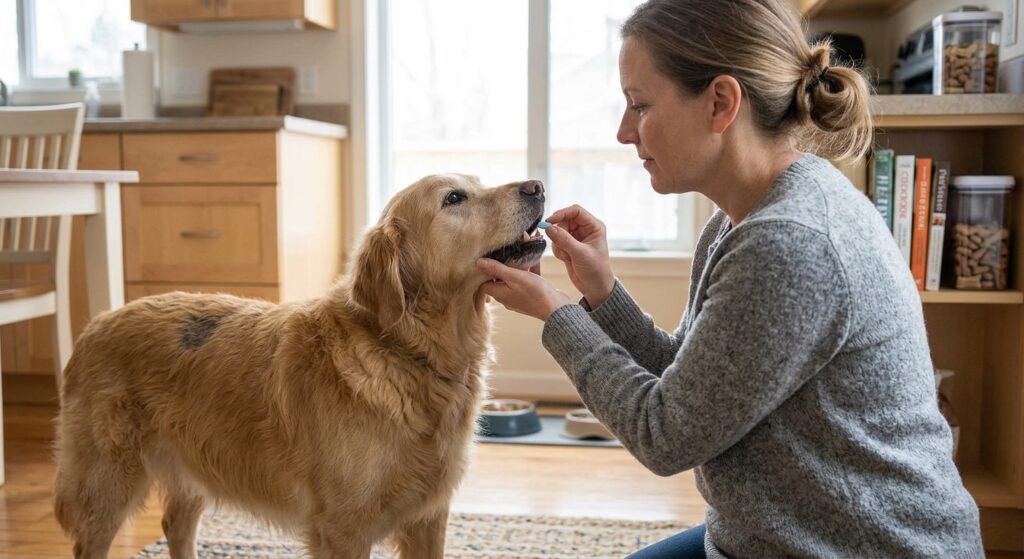
Treatment involves a daily synthetic thyroid hormone pill, usually given once or twice a day for the rest of the dog’s life. Most owners find this straightforward once it becomes part of the routine. Your vet will likely recheck hormone levels a few weeks after starting treatment, then periodically after that, to fine-tune the dose.
Daily Pill Routine Tips
- Give the pill at the same time each day
- Ask your vet whether to give it with food or on an empty stomach, and keep that the same every day
- Set a phone reminder or use a calendar
- Ask your vet if it is fine to hide the pill in a small treat
- Write down your refill date so you never run out
- Never change the dose or stop the medication without asking your vet
What to Expect After Starting Treatment
Many owners notice improved energy and a better coat within a few weeks to a couple of months. Weight often normalizes more gradually and works best alongside a suitable diet and exercise plan, since the thyroid is only one piece of the weight puzzle in senior dogs.
Owners often describe the first changes as small. A dog who greets them at the door again, or walks a little farther than last week. Keep notes on these changes and share them at each recheck. Our guide on annual blood work for senior dogs explains what vets check once treatment is under way.
Questions to Ask at the Recheck
- When is the next blood test?
- Does the dose need to change?
- Which side effects should I watch for?
- Does my dog’s diet or exercise plan need adjusting?
Frequently Asked Questions
Is hypothyroidism curable in dogs?
No, but it’s very manageable with daily medication. Most dogs live full, comfortable lives once properly treated.
Can hypothyroidism be mistaken for normal aging?
Yes, and this happens often. Weight gain and low energy get attributed to age alone, which is why a blood test matters if these changes seem more pronounced than expected. The American Kennel Club has additional information on recognizing thyroid issues in dogs.
Will my dog need thyroid medication forever?
In almost all cases, yes. Hypothyroidism is a lifelong condition, but the medication is generally inexpensive and easy to give.
Can I give my dog my own thyroid medication?
No. Dogs need a different dose, and only your vet should choose the product and the amount. Giving the wrong dose can cause problems.
What should I do if I miss a dose?
Do not double the next dose unless your vet tells you to. Call your vet’s office and ask what to do for your dog’s medication and schedule.
Can diet alone fix hypothyroidism?
No. Food cannot replace the missing hormone. A suitable diet helps manage weight alongside daily medication.
Can thyroid medication have side effects?
Most dogs do well when the dose is right. A dose that is too high can cause restlessness, panting, or extra thirst. Call your vet if you notice these signs.
This article is for informational purposes only and is not a substitute for professional veterinary advice. Always consult your vet about your dog’s specific health needs.
If weight gain is the main concern alongside other symptoms, our guide on helping an overweight senior dog lose weight safely can help once thyroid levels are under control.