Why This Symptom Deserves Quick Attention
A little weight change over months can be normal. But sudden weight loss in senior dogs usually isn’t just aging. It often points to something your vet needs to investigate. This guide covers the most common causes and what steps typically come next.
How Much Weight Loss Counts as “Sudden”?
Losing more than 10% of body weight within a few months counts as significant, even without a diet change. A 40-pound dog dropping to 36 pounds might seem minor. Vets treat it as a real signal worth checking.
What 10% Looks Like
Weigh your dog on the same scale each time. To find your own dog’s number, multiply the starting weight by 0.1.
| Starting weight | 10% loss | Weight after a 10% loss |
|---|---|---|
| 10 lb | 1 lb | 9 lb |
| 20 lb | 2 lb | 18 lb |
| 40 lb | 4 lb | 36 lb |
| 60 lb | 6 lb | 54 lb |
| 80 lb | 8 lb | 72 lb |
Common Causes of Sudden Weight Loss
Dental Pain
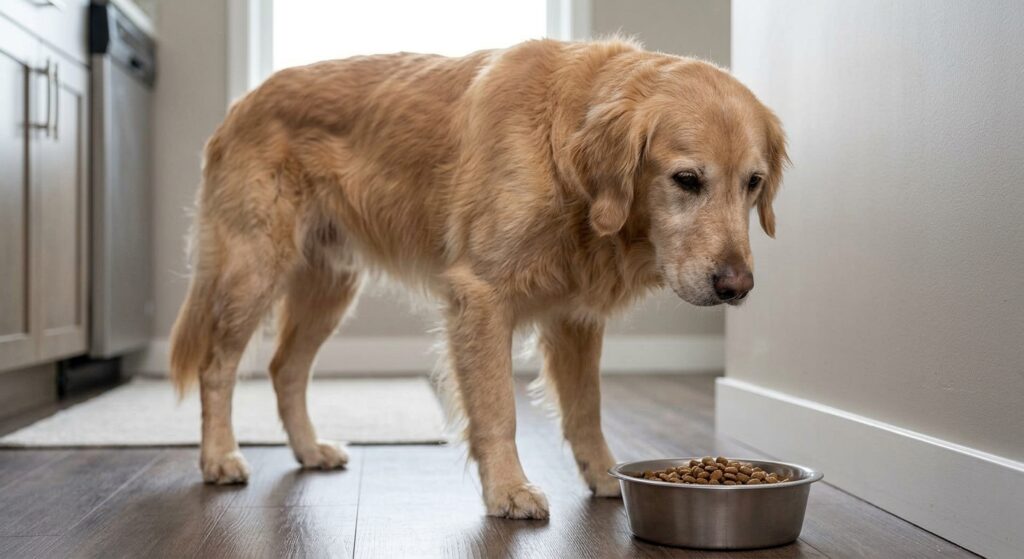
A sore mouth makes chewing hard food painful. Some dogs eat less rather than show obvious mouth pain, so weight loss can be the first visible clue.
Kidney Disease
Failing kidneys often reduce appetite and cause nausea. Weight loss is one of the earliest signs owners notice, sometimes before other symptoms appear.
Diabetes
Even with a normal or increased appetite, diabetic dogs can lose weight because their body can’t use glucose properly. Increased thirst and urination often show up alongside it.
Cancer
Tumors, especially in the digestive tract, can cause steady weight loss. This can happen even when a dog seems to be eating a normal amount.
Hyperthyroidism or Other Metabolic Conditions
Though less common in dogs than cats, thyroid and other metabolic issues can speed up metabolism enough to cause weight loss despite normal eating.
Intestinal Parasites or Malabsorption
Parasites or conditions that prevent proper nutrient absorption can cause weight loss even when a dog eats well. A simple stool test often rules this in or out quickly.
Causes, Clues, and First Tests
These are clues, not diagnoses. Only your vet can find the real cause.
| Possible cause | Clues that often come with it | Usual first test |
|---|---|---|
| Dental pain | Dropping food, bad breath | Oral exam |
| Kidney disease | Less appetite, nausea, more thirst | Bloodwork and urinalysis |
| Diabetes | More thirst and urination, normal or big appetite | Blood and urine glucose tests |
| Cancer | Lumps, lethargy, steady loss | Exam and imaging |
| Thyroid or metabolic issues | Weight loss despite normal eating | Thyroid bloodwork |
| Parasites or malabsorption | Loose stools, dull coat | Stool test |
Warning Signs That Should Prompt a Vet Visit Soon
- Weight loss with no change in diet or exercise
- Loss of appetite lasting more than a day or two
- Increased thirst or urination
- Vomiting, diarrhea, or visible lethargy
- Weight loss combined with a new lump or swelling
What Your Vet Will Likely Do
A full physical exam usually comes first, including a hands-on body condition check and weight comparison against past records. Bloodwork and urinalysis often follow, since they can reveal kidney function, thyroid levels, and blood sugar. Depending on results, your vet may recommend imaging like X-rays or ultrasound to look for tumors or organ changes.
What to Bring to the Vet Visit
- Past weight records, if you have them
- Your weekly weight and appetite log
- The brand and daily amount of your dog’s food
- A list of all medications and supplements
- A fresh stool sample, if your vet asks for one
- Notes on thirst, urination, and energy
What You Can Do at Home in the Meantime
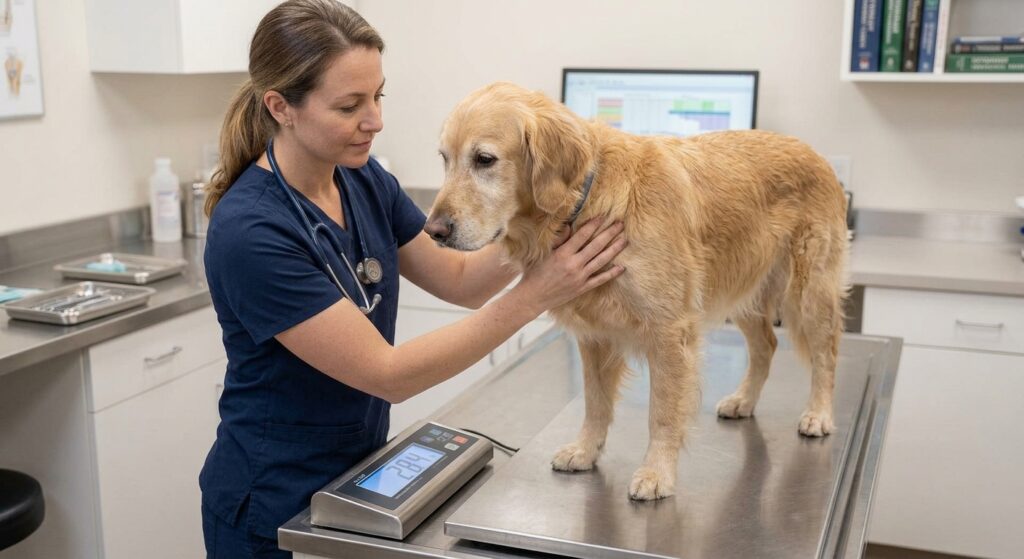
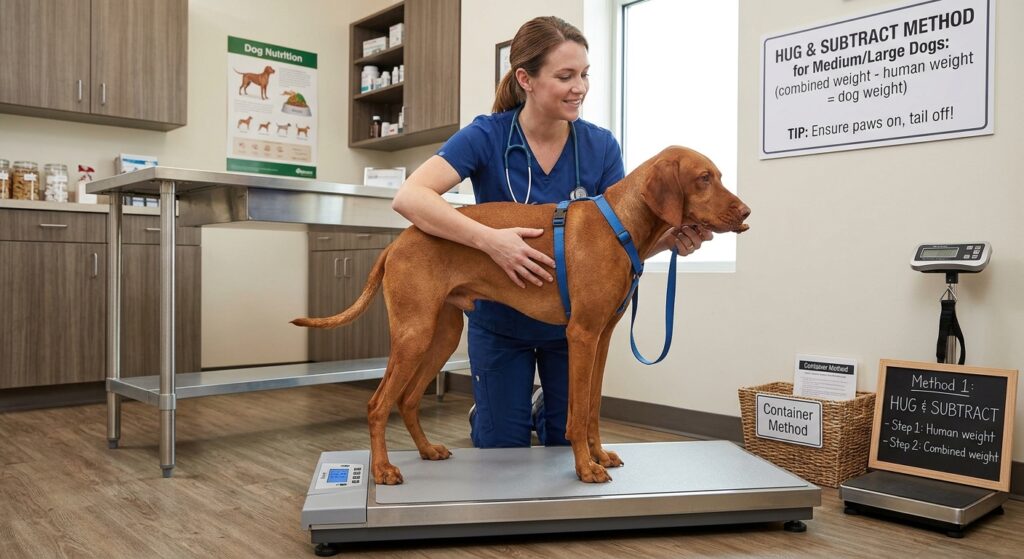
Track your dog’s weight weekly if possible, using the same scale for consistency. Note any changes in appetite, thirst, energy, or bathroom habits. This information helps your vet narrow down causes faster than a single exam alone.
Many owners say they noticed the loss only when they felt the spine or ribs more easily while petting their dog. A weekly weigh-in removes the guesswork. Weigh your dog at the same time each week, such as before breakfast.
8-Week Weight and Appetite Log
| Week | Weight | Appetite (normal, less, more) | Thirst | Energy | Bathroom habits |
|---|---|---|---|---|---|
| Week 1 | |||||
| Week 2 | |||||
| Week 3 | |||||
| Week 4 | |||||
| Week 5 | |||||
| Week 6 | |||||
| Week 7 | |||||
| Week 8 |
Bring this log to your vet. Numbers and dates help more than memory.
Frequently Asked Questions
Is some weight loss normal as dogs age?
Mild, gradual weight loss over a year or more can happen with reduced muscle mass. Rapid or unexplained loss is different and warrants a vet check.
Can stress cause weight loss in senior dogs?
Yes, stress from a household change, a new pet, or a move can reduce appetite temporarily. It’s still worth ruling out medical causes first rather than assuming stress. The American Animal Hospital Association has more on evaluating unexplained weight changes in senior pets.
How quickly should I see a vet if my dog is losing weight?
Book an appointment within a week for steady weight loss, and sooner if it’s paired with vomiting, lethargy, or loss of appetite.
Can a change in food cause weight loss?
Yes. A new food may have fewer calories, or your dog may simply dislike it. Tell your vet exactly what you changed and when.
Should I feed my dog more to stop the weight loss?
Not before you know the cause. Extra food will not fix an underlying condition, and some conditions need a special diet. Ask your vet first. Our guide on wet vs dry food for senior dogs explains how texture and calories differ.
Can dental pain cause weight loss on its own?
Yes. Dogs with a sore mouth often eat less or chew on one side only. Our guide on dental disease in older dogs explains the warning signs to watch for.
How do I tell weight loss from muscle loss?
Both can happen together. Weight loss makes the whole body look thinner. Muscle loss often shows along the spine, hips, and hind legs. Only a vet exam can tell which one you are seeing.
This article is for informational purposes only and is not a substitute for professional veterinary advice. Always consult your vet about your dog’s specific health needs.
If appetite loss is part of what you’re seeing, our guide on why your senior dog won’t eat walks through more specific causes and solutions.