
More Than a Quick Look-Over
A senior dog’s needs change, and so should their vet visits. Senior dog wellness exams go well beyond a basic check-up, since they’re designed to catch age-related conditions early, often before you’d notice anything at home. This guide covers what a thorough exam includes and how often your dog should be going in.
Why Senior Exams Look Different From Regular Check-Ups
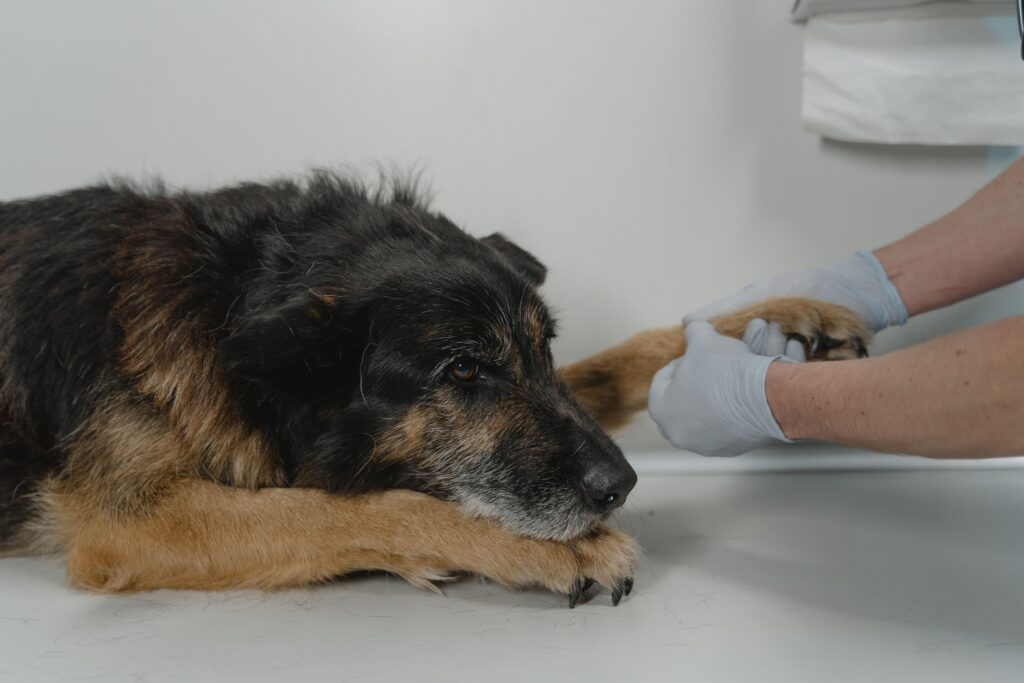
A wellness exam for a younger adult dog often focuses on vaccines and a quick physical check. Senior exams add several layers on top of that, since age brings a much wider range of possible issues, from joint pain to organ decline to cognitive changes. Vets tailor the visit around catching these earlier rather than waiting for obvious symptoms.
What a Full Senior Wellness Exam Includes
Full-Body Physical Exam
This covers weight and body condition, joint mobility, muscle tone, lymph nodes, and a hands-on check for new lumps or skin changes.
Dental Check
Your vet examines the teeth and gums for tartar, gum disease, or loose teeth, since dental disease is extremely common and often overlooked in senior dogs.
Eye and Ear Exam
This checks for cataracts, cloudiness, signs of infection, or hearing loss, all of which become more common with age.
Heart and Lung Check
Listening to the heart and lungs can catch early murmurs, arrhythmias, or respiratory changes before they become serious.
Bloodwork and Urinalysis
Most senior wellness visits include or recommend annual blood work and a urine sample, which can catch kidney disease, diabetes, and thyroid issues early.
Mobility and Cognitive Assessment
Your vet may ask about changes in your dog’s activity level, confusion, house-training accidents, or sleep patterns, since these can point to arthritis or cognitive decline.
Blood Pressure Check
Increasingly common as part of senior visits, this helps catch hypertension linked to kidney or heart issues.
Where to Learn More About Each Part of the Exam
| Part of the exam | What it can catch early | Read our guide |
|---|---|---|
| Mobility check | Joint pain and stiffness | arthritis in senior dogs |
| Cognitive check | Confusion and sleep changes | canine cognitive dysfunction |
| Dental check | Gum disease and loose teeth | dental disease in older dogs |
| Eye exam | Cloudy lenses and vision changes | cataracts in senior dogs |
| Bloodwork and urinalysis | Kidney, thyroid, and blood sugar changes | annual blood work for senior dogs |
How Often Senior Dogs Should Be Seen
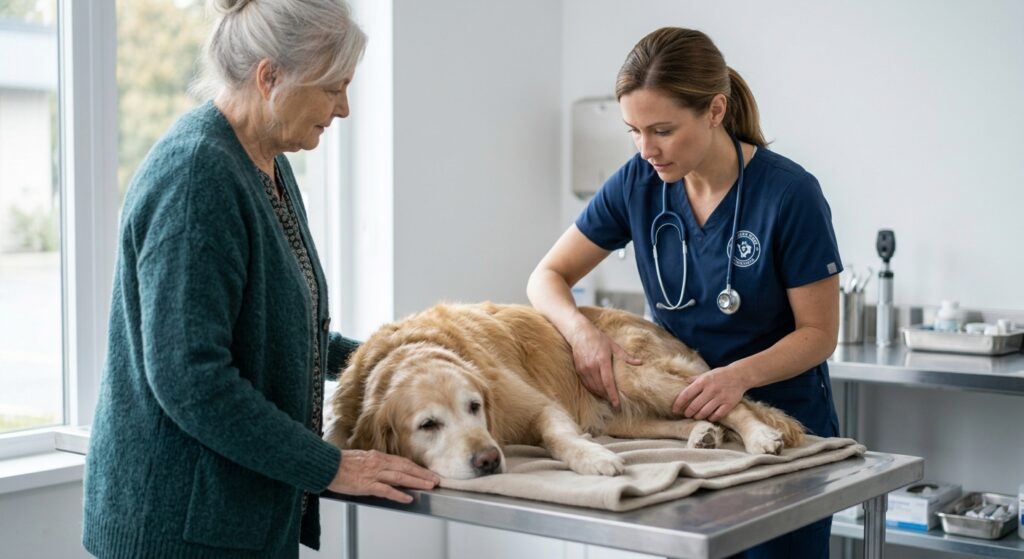
Most vets recommend wellness exams every six months once a dog reaches senior age, roughly 7 years old for medium and large breeds, and a bit later for small breeds. Dogs managing an existing condition, like arthritis or kidney disease, often need more frequent visits to monitor progress and adjust treatment.
Many owners say they lose track of when the last exam took place. A simple planner keeps the dates clear. Book the next visit before you leave the clinic.
Senior Visit Planner
| Visit | Date | Weight | Tests done | Vet’s notes | Next visit due |
|---|---|---|---|---|---|
| Visit 1 | |||||
| Visit 2 | |||||
| Visit 3 | |||||
| Visit 4 |
How to Prepare for the Visit
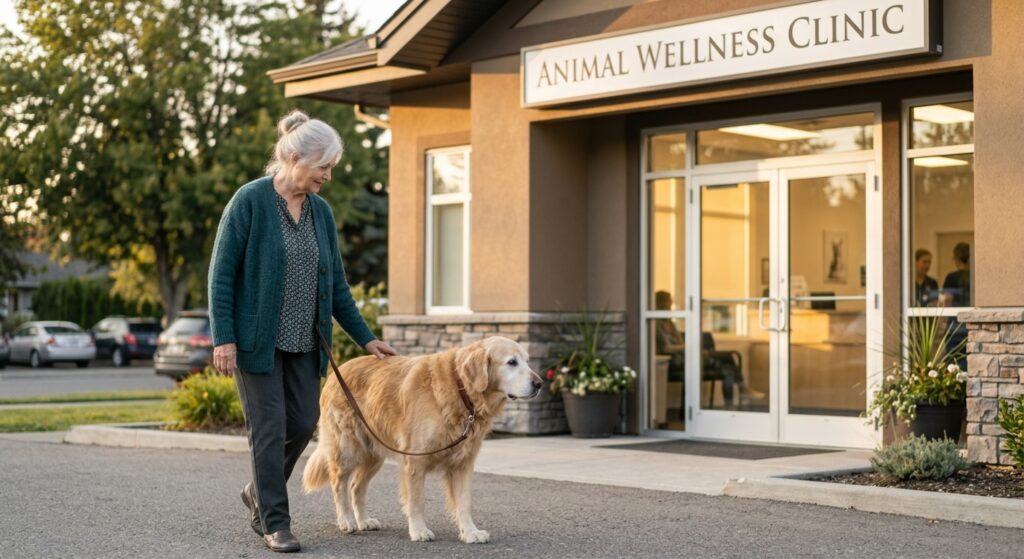
Bring a written list of any changes you’ve noticed, even small ones, like slower stairs, more water drinking, or increased napping. A short video of anything hard to describe, like limping or shaking, often helps your vet more than words alone. If your dog takes medication, bring the exact dosing schedule so your vet can review it.
Questions to Ask at the Wellness Exam
- Which tests do you recommend this year, and why?
- Is my dog’s weight where it should be?
- Do you see early signs of arthritis, dental disease, or cognitive changes?
- How often should we come back?
- What should I watch for at home before the next visit?
Frequently Asked Questions
At what age does a dog need senior wellness exams?
This varies by size and breed, but most vets suggest starting around 7 years old for medium and large dogs, and closer to 10 for small breeds, who tend to age more slowly.
Are senior wellness exams more expensive than regular check-ups?
They typically cost more, since they include additional tests like blood work and urinalysis. Ask your vet for a breakdown of what’s included so there are no surprises. The American Animal Hospital Association provides detailed guidelines on senior pet care standards.
Can I skip bloodwork if my dog seems perfectly healthy?
It’s not recommended. Many senior conditions develop with no visible symptoms until they’re fairly advanced, which is exactly what these exams are designed to catch early.
How can I keep my dog calm at the vet?
Bring a favorite blanket and a few treats. A short walk before the visit helps burn off nerves. Stay calm yourself, since dogs pick up on your mood. Ask your clinic if you can stop by for quick, no-exam visits so the clinic feels familiar.
Does my senior dog still need vaccines at wellness visits?
Often, yes, but the schedule may change with age. Your vet will adjust it based on your dog’s health and lifestyle. Ask which vaccines are still needed this year.
Does pet insurance cover senior wellness exams?
Most policies cover illness and injury. Routine exams are usually an optional add-on. Check your policy for the details. Our guide on pet insurance for senior dogs explains what to look for.
How do I find a vet who is good with senior dogs?
Ask whether the clinic offers senior wellness packages and longer appointments. Choose a vet who listens to your concerns and explains test results clearly. A good fit makes every visit easier.
This article is for informational purposes only and is not a substitute for professional veterinary advice. Always consult your vet about your dog’s specific health needs.
Curious what your vet will actually be checking in the bloodwork itself? Our guide on annual blood work for senior dogs breaks down each test and what it can reveal.