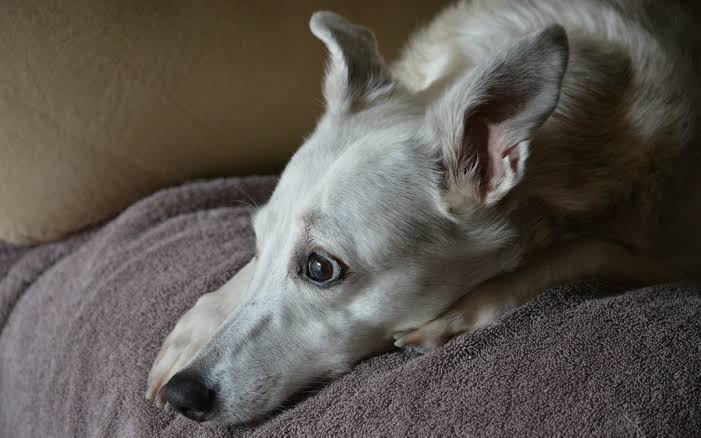
When “Just Getting Old” Might Be Something More
Owners often chalk up a senior dog’s confusion or forgetfulness to normal aging. Sometimes that’s true. But canine cognitive dysfunction — often called dog dementia — is a real medical condition, and it’s more common than most people realize. This guide covers the early signs, how vets diagnose it, and the treatment options that can genuinely slow it down.
What Is Canine Cognitive Dysfunction?
Canine cognitive dysfunction (CCD) is a progressive brain condition that affects memory, learning, awareness, and perception in older dogs. It shares several similarities with Alzheimer’s disease in humans, including a buildup of certain proteins in the brain that interfere with normal signaling. It typically develops gradually, which is exactly why it’s easy to miss at first.

Symptoms to Watch For
Vets often use the acronym DISHA to describe the main symptom categories:
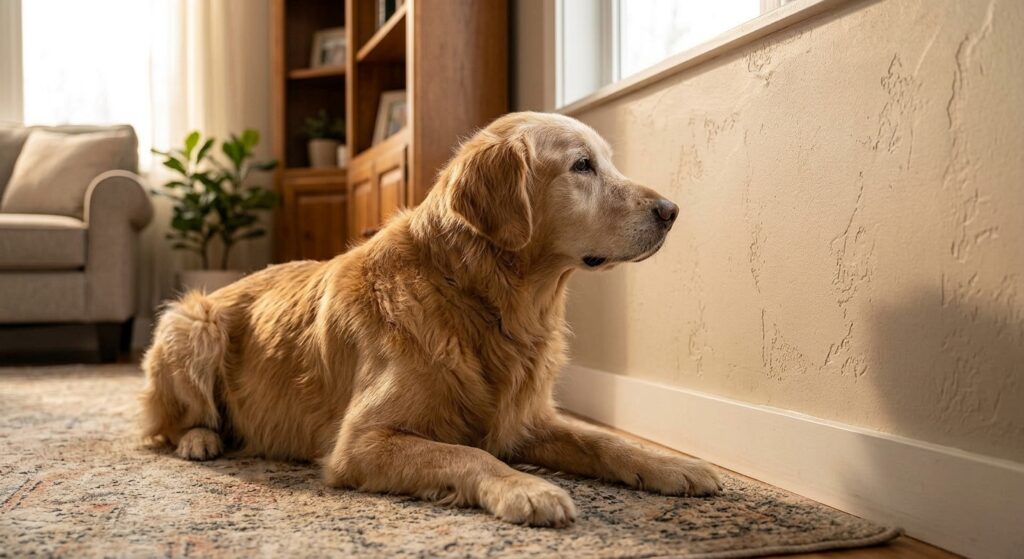
- Disorientation — getting stuck in corners, staring at walls, or seeming confused in familiar rooms
- Interaction changes — less interest in greeting family members, or new clinginess
- Sleep-wake cycle changes — sleeping more during the day and pacing or whining at night
- House-soiling — accidents indoors despite being fully house-trained for years
- Activity changes — reduced interest in toys, walks, or things they used to enjoy, or repetitive pacing
Most dogs don’t show every symptom at once. A cluster of two or three, especially if they’re new, is often enough to bring up with your vet.
Many owners say the night is the hardest part. The dog sleeps through the afternoon, then paces the hallway at 2 a.m. Others describe a dog who stands in a corner and seems to have forgotten how to turn around. Writing down what you see helps you spot the pattern. It also helps your vet.
| Week | Nights with pacing or whining | Indoor accidents | Times stuck or confused | Notes |
|---|---|---|---|---|
| Week 1 | ||||
| Week 2 | ||||
| Week 3 | ||||
| Week 4 |
Bring this diary to your vet visit. Patterns matter more than any single day.
How Vets Diagnose It
There’s no single blood test that confirms canine cognitive dysfunction. Vets typically diagnose it by ruling out other conditions that can cause similar symptoms — things like vision or hearing loss, arthritis pain, urinary tract infections, or other neurological issues. Your vet may also ask you to fill out a behavior questionnaire to track how symptoms have changed over time, since patterns matter more than any single visit.
What to Bring to the Vet Visit
- Your symptom diary
- A short phone video of night pacing or confusion
- A list of all medications and supplements
- The name of your dog’s current food
- The date you first noticed each change
- Any recent changes at home, such as a new pet or a move
Treatment and Management Options
There’s no cure for canine cognitive dysfunction, but several approaches can meaningfully slow its progression and improve quality of life.
Medication
A drug called selegiline is FDA-approved specifically for canine cognitive dysfunction and works by supporting dopamine activity in the brain. Some vets also prescribe it off-label alongside other supportive treatments depending on the individual dog.
Diet and Supplements
Diets enriched with antioxidants, omega-3 fatty acids, and medium-chain triglycerides (MCTs) have shown real benefit in slowing cognitive decline in some studies. Ask your vet about senior-specific or cognitive-support prescription diets before adding supplements on your own.
Environmental Enrichment
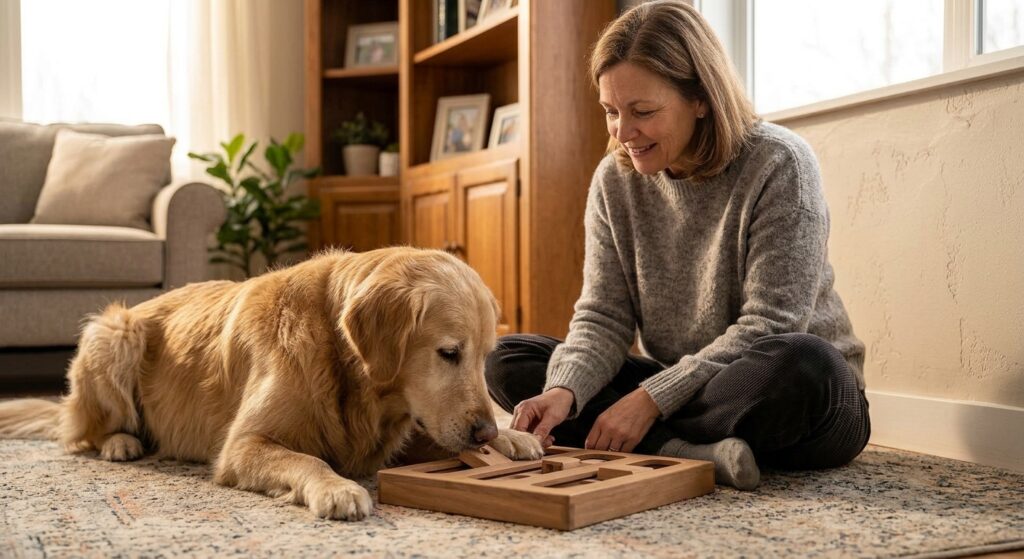
Keeping a dog’s brain active matters just as much as medication. Short training sessions, puzzle feeders, new sniffing opportunities on walks, and consistent daily routines all help maintain cognitive function longer.
Managing the Home Environment
Simple changes reduce frustration for a disoriented dog: nightlights in hallways, baby gates to block off stairs, and keeping furniture in consistent places all help a confused dog feel more secure.
Some owners build a calm evening routine. A short walk after dinner, dim lights, and the same bedtime spot each night can help. Many say their dogs settle more easily when the end of the day feels predictable. A routine will not stop the condition, but it can reduce stress for both of you.
Frequently Asked Questions
Is canine cognitive dysfunction the same as dementia in humans?
Not exactly, but the two share meaningful similarities, including protein buildup in the brain and a gradual decline in memory and awareness.
At what age do dogs typically develop it?
It becomes more common from around 9 years old onward, though it can appear earlier in some breeds. The American Animal Hospital Association offers additional guidance on recognizing and managing cognitive decline in senior pets.
Can canine cognitive dysfunction be reversed?
No, but early intervention with medication, diet, and enrichment can slow its progression significantly compared to leaving it unmanaged.
Is night pacing always a sign of dementia?
No. Pain from arthritis, kidney or thyroid problems, and vision loss can also cause restlessness at night. That is why your vet rules out other causes first.
Can I still train a dog with cognitive dysfunction?
Yes. Keep sessions short, about five minutes, and use easy cues your dog already knows. Reward every success. Gentle practice keeps the mind active without causing frustration.
How long can a dog live with cognitive dysfunction?
It varies widely. Progression depends on your dog’s overall health, age, and how early you start treatment. Your vet can give you a clearer picture after an exam.
How do I know if the condition is affecting my dog’s quality of life?
Look for distress at night, loss of interest in food, and not recognizing familiar people. Talk with your vet often as things change. Our guide on when to say goodbye to your dog explains how to judge quality of life.
This article is for informational purposes only and is not a substitute for professional veterinary advice. Always consult your vet about your dog’s specific health needs.
If your senior dog has also started sleeping unusually more or less than before, our guide on why senior dogs sleep all day breaks down what’s normal and what’s worth mentioning to your vet.