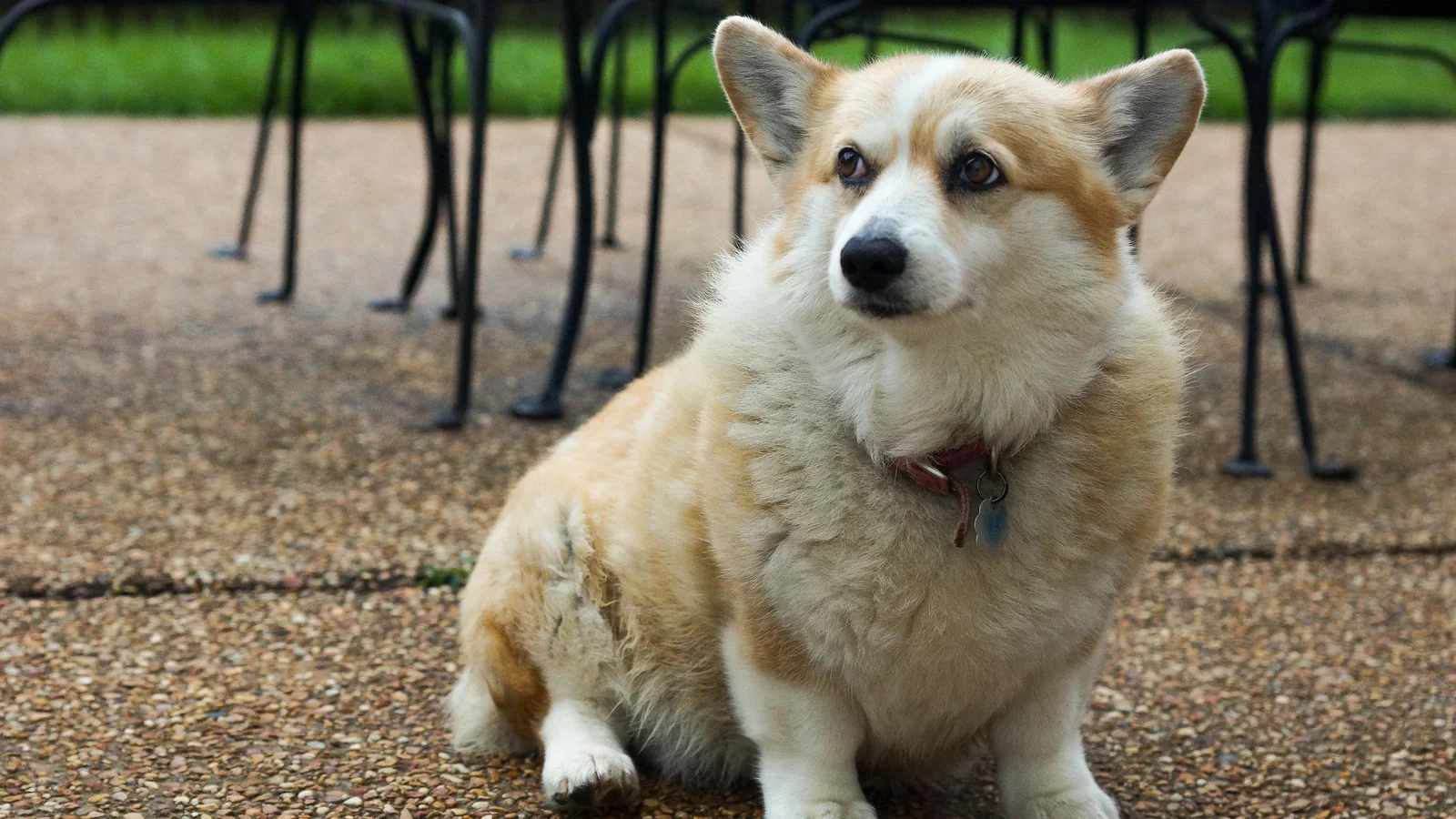
Incontinence Doesn’t Have to Mean Constant Stress
Urinary incontinence is common in senior dogs, and it usually isn’t a behavior problem. It’s a physical one. Building a consistent daily hygiene routine for a senior dog with incontinence protects their skin, keeps your home more manageable, and helps preserve their comfort and dignity. This guide covers a practical approach that works day to day.
Understanding Why It’s Happening
Before building a routine, a vet visit helps confirm the cause. Common reasons include weakened bladder muscles from age, urinary tract infections, hormone-related incontinence (especially in spayed females), or underlying conditions like kidney disease or diabetes that increase urine output. Treating the underlying cause, when possible, often reduces how much daily management is actually needed.
Setting Up an Easy-to-Clean Space
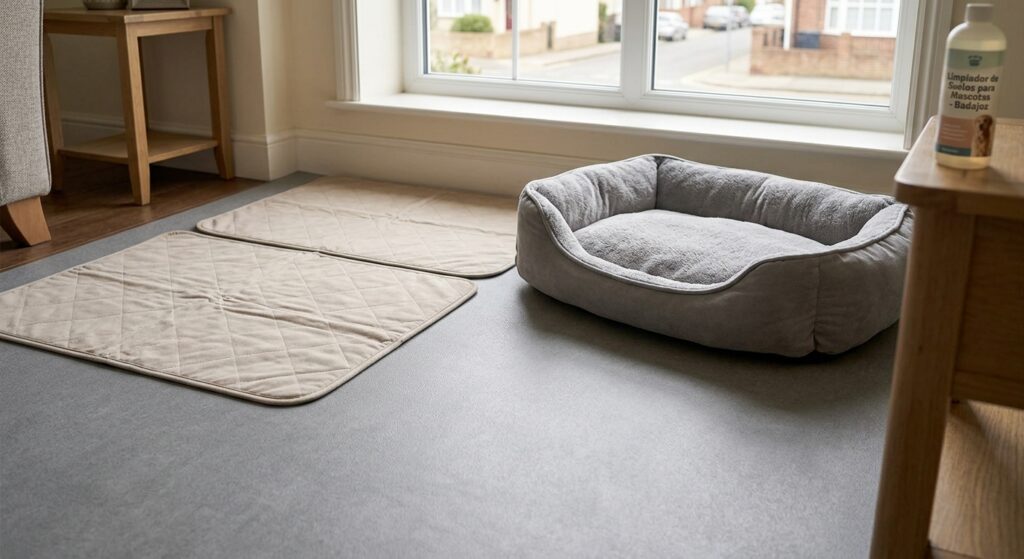
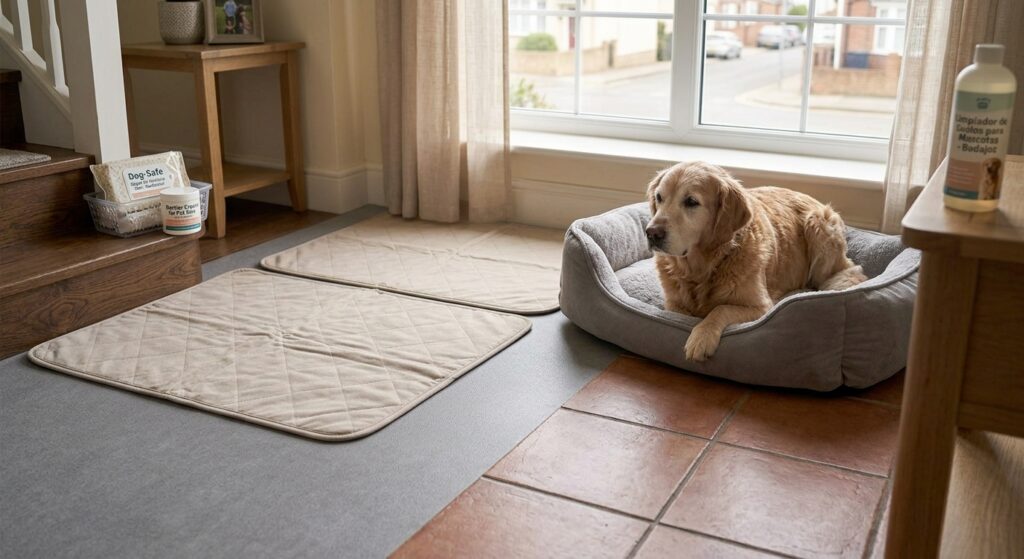
Washable, waterproof dog beds save enormous time and effort compared to fabric beds that soak through daily. Placing a washable pee pad or waterproof liner underneath adds another layer of protection for floors and carpets. Keep your dog’s main resting area in a spot with hard flooring where possible, since accidents are far easier to clean from tile or laminate than carpet.
Supplies to Keep Ready
- Two or three washable bed covers on rotation
- Waterproof liners or pee pads
- Dog-safe wipes and a damp cloth
- A pet-safe barrier cream
- Diapers or belly bands in the right size
- An enzyme cleaner made for pet urine
- Spare towels
A Simple Daily Cleaning Routine
Morning Check and Clean
Start the day by checking your dog’s coat and skin, especially around the belly and hind legs, and gently clean any areas that need it with dog-safe wipes or a damp cloth.
Frequent Bathroom Breaks
More frequent trips outside, especially first thing in the morning and right before bed, reduce how often accidents happen indoors. Some owners find success with a consistent schedule every 3 to 4 hours during the day.
Evening Clean-Up
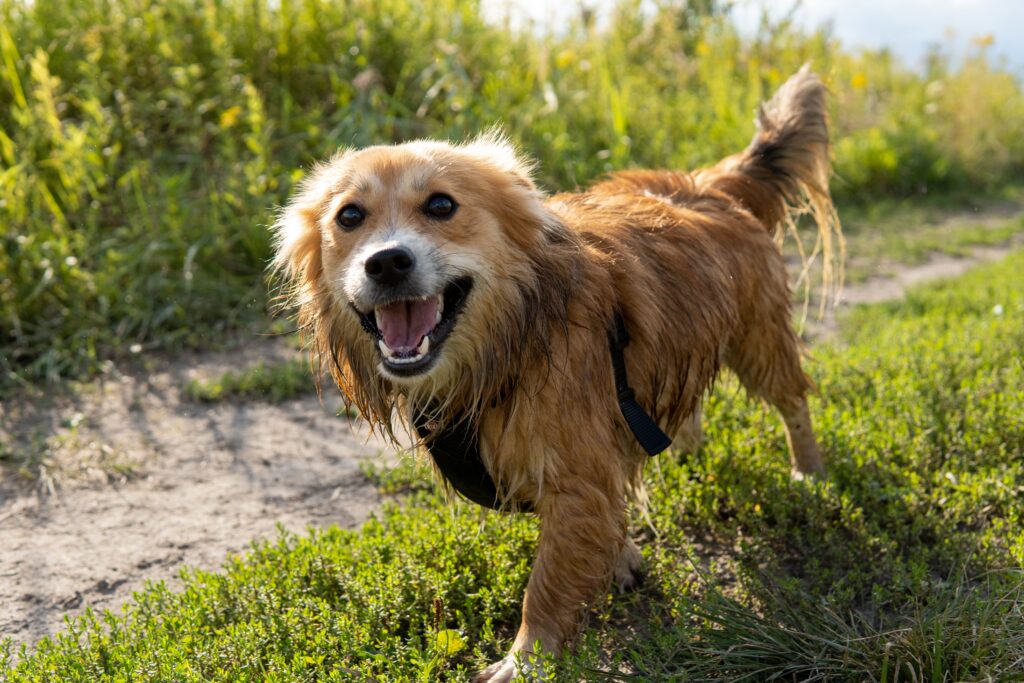
A final check and wipe-down before bed helps your dog start the night clean and comfortable, reducing the chance of skin irritation overnight.
Sample Daily Routine
Adjust the times to your dog and ask your vet if you are unsure.
| Time of day | What to do |
|---|---|
| First thing in the morning | Bathroom trip, then check and clean the coat and skin |
| Midday | Bathroom break, and check the bedding or diaper |
| Afternoon | Bathroom break, about every 3 to 4 hours |
| Evening | Bathroom trip and a fresh bed cover |
| Before bed | Last bathroom trip, wipe-down, and barrier cream if needed |
Protecting the Skin From Irritation
Urine left on the skin for extended periods can cause redness, irritation, and even infection, particularly in skin folds or areas with thinner fur. A pet-safe barrier cream applied to vulnerable areas can help protect skin between cleanings. Watch for any redness, odor, or signs of discomfort, which can signal it’s time to adjust the routine or see a vet.
Many owners say patterns appear once they write things down, such as accidents after naps or late at night. A short log also shows early skin changes.
7-Day Accident and Skin Log
| Day | Accidents (time) | Bathroom trips | Skin (normal, red, sore) | Bedding changed | Notes |
|---|---|---|---|---|---|
| Day 1 | |||||
| Day 2 | |||||
| Day 3 | |||||
| Day 4 | |||||
| Day 5 | |||||
| Day 6 | |||||
| Day 7 |
Bring this log to your vet. New redness, odor, or more urination needs a check.
Doggie Diapers and Belly Bands
Washable or disposable dog diapers can help manage accidents, especially overnight or during times you can’t supervise closely. Change them frequently, generally every few hours, since leaving a wet diaper on too long increases the risk of skin irritation rather than preventing it.
Many owners find that fit matters more than brand. A diaper that is too loose leaks, and one that is too tight irritates the skin. Our guide to the best dog diapers compares popular options.
Diaper Change Checklist
- Check the diaper every few hours
- Clean and dry the skin before you put on a new one
- Look for redness or sores each time
- Make sure it fits snugly but not tight
- Give the skin diaper-free time when you can supervise
Managing the Emotional Side
Many owners feel frustrated or guilty about incontinence, but it’s important to remember this isn’t your dog’s fault or a training failure. Patience and a calm, consistent routine help far more than frustration, both for your stress levels and your dog’s comfort.
Many owners say the first weeks are the hardest. A steady routine, a calm voice, and a clean, warm bed make a real difference for both of you.
Ways to Keep Your Dog Comfortable
- Never scold your dog after an accident
- Praise your dog after each trip outside
- Keep the bed clean and dry
- Use a calm, cheerful voice during clean-ups
- Set aside time for gentle petting each day
Frequently Asked Questions
Can medication help with incontinence?
Yes, in many cases. Medications that strengthen the bladder sphincter can significantly reduce leaking, especially for hormone-related incontinence. Your vet can determine if your dog is a good candidate.
How often should bedding be washed?
Daily washing is often necessary for dogs with moderate to severe incontinence. Having two or three washable bed covers on rotation makes this much more manageable.
Is incontinence always a sign of a serious health problem?
Not always, but it should always be checked out. Ruling out infections, diabetes, or kidney issues matters, even when age-related muscle weakness turns out to be the main cause. The American Veterinary Medical Association has more on evaluating incontinence in senior dogs.
How do I control the smell?
Wash bedding often and clean floors with an enzyme cleaner made for pet urine. Wipe your dog’s coat regularly. If a strong odor continues, ask your vet to check for a skin or urinary infection.
Should I limit my dog’s water because of the leaking?
No. Restricting water can be dangerous, especially for dogs with kidney disease or diabetes. Ask your vet about the cause instead. Our guide on how much water a senior dog should drink daily explains what is normal.
Does my dog need a bathroom trip during the night?
Often it helps. A late trip before bed and an early one in the morning reduce accidents. Some dogs need one more trip in between. Ask your vet what suits your dog.
Can incontinence come and go?
Yes. Some dogs leak mostly while they sleep deeply, and others have good and bad days. Keep a log and share the pattern with your vet.
This article is for informational purposes only and is not a substitute for professional veterinary advice. Always consult your vet about your dog’s specific health needs.
If increased urination is a new pattern alongside incontinence, our guide on kidney disease in senior dogs covers other symptoms worth watching for.