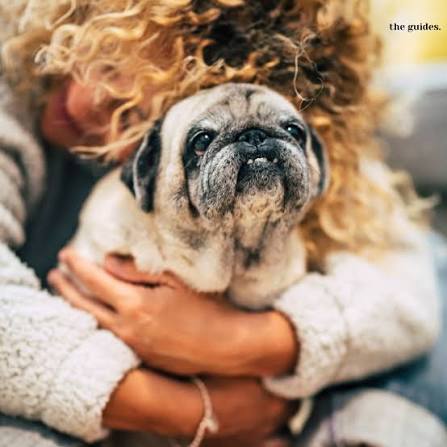
Understanding Grief When Coping With the Loss of a Dog
Coping with the loss of a dog brings real, deep grief — the kind that deserves the same recognition as any other significant loss, even though the wider world doesn’t always treat pet loss that way. If you’re struggling right now, please know that what you’re feeling is valid, and there’s no “right” timeline for moving through it. This guide offers some understanding and practical support for this process.
Why Losing a Dog Hurts So Much
Dogs share an enormous part of daily life with us — routines, companionship, and often years of consistent, unconditional presence. The loss disrupts not just an emotional bond, but the practical shape of everyday life: the walks, the greetings at the door, the quiet companionship that filled countless ordinary moments. It makes complete sense that this kind of loss brings intense grief, regardless of what anyone else’s reaction to pet loss might be.

Common Grief Reactions
Grief after losing a dog can show up in many ways, and there’s no single “correct” way to experience it:
- Intense sadness that comes in waves, sometimes triggered unexpectedly by a reminder
- Guilt, especially around decisions made near the end of your dog’s life
- Anger or frustration, sometimes directed at yourself, circumstances, or even at your dog for leaving
- Relief, particularly after a long illness, which can then bring guilt of its own — this combination is completely normal
- Physical symptoms, like fatigue, appetite changes, or trouble sleeping
- A sense of emptiness in daily routines that used to revolve around your dog’s needs
If guilt is weighing on you, our guides on when to say goodbye to your dog and palliative care for dogs in their final stage of life may help.
Supporting Yourself Through the Grieving Process
- Allow yourself to actually feel it, rather than pushing grief aside because it’s “just a dog” — that dismissive framing doesn’t reflect how meaningful the relationship actually was.
- Talk about your dog with people who understand, whether that’s friends, family, or pet loss support communities specifically.
- Keep some routine, even while adjusting others, since complete disruption of daily structure can make grief feel even more overwhelming.
- Be patient with your own timeline — grief doesn’t follow a fixed schedule, and it’s common to still feel waves of sadness months or even years later, especially around anniversaries.
- Consider talking to a grief counselor if the loss feels overwhelming or prolonged, particularly one who has experience with pet loss specifically, since not all grief counselors focus on this area.
Many people say grief came in waves. Some days were quiet, and others hit without warning. They often say that keeping one small ritual, such as a walk at the usual hour, gave the day some shape.
Small Steps for Hard Days
- ☐ Eat something, even a small meal.
- ☐ Rest when you can.
- ☐ Talk to one person who understands.
- ☐ Keep one small routine.
- ☐ Write down one memory of your dog.
Supporting Children Through Pet Loss
Children often experience their first real encounter with loss through a pet’s death. Being honest, using clear language rather than confusing euphemisms, and allowing them to express grief in their own way (which might look different from an adult’s grief) generally helps more than trying to shield them from the reality entirely.
Ways to Honor Your Dog’s Memory
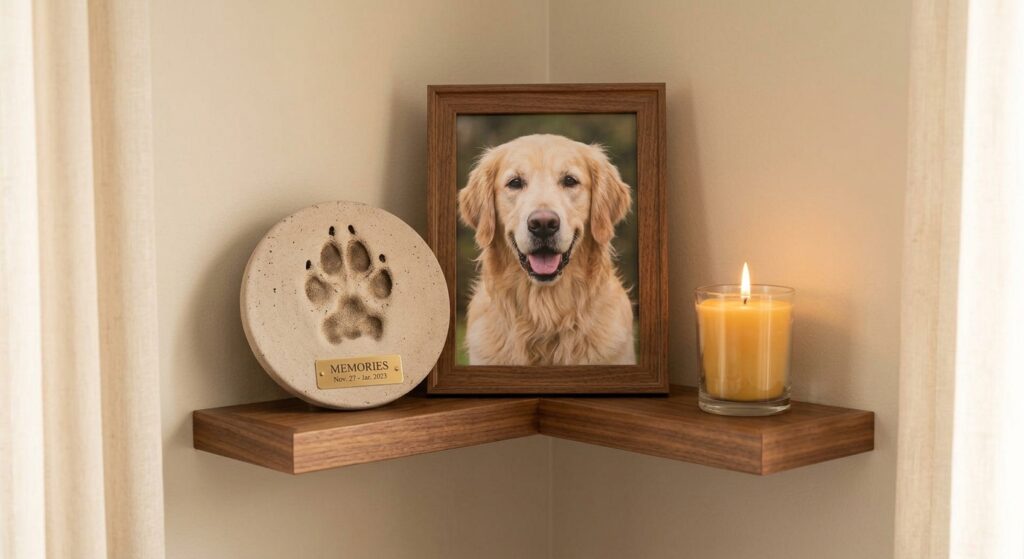
Many people find that creating a tangible way to remember their dog provides real comfort:
- A photo memorial or dedicated album
- A paw print or fur keepsake, sometimes offered by vet clinics at the time of passing
- Planting a tree or flowers in their memory
- Making a donation to an animal shelter or rescue organization in their name
- Writing about your dog and your time together, which some people find genuinely therapeutic
If you are still deciding what to do after the loss, see our guide to pet cremation vs burial.
Memory Page
Write a few lines for each one. There is no right answer.
| Prompt | Your memory |
|---|---|
| Favorite walk or place | ________ |
| Favorite toy or treat | ________ |
| The funniest thing my dog did | ________ |
| What my dog did when I came home | ________ |
| What I will miss most | ________ |
Other Pets in the Household
Surviving pets sometimes show signs of grief too, such as searching for their companion or changes in behavior and appetite. Maintaining routine and offering extra attention during this transition can help them adjust, alongside your own grieving process.
Read our guide on helping a dog cope with losing a companion.
When to Seek Additional Support
Consider reaching out to a grief counselor or support group if:
- Grief feels persistently overwhelming and doesn’t ease gradually over time
- You’re struggling significantly with daily functioning weeks after the loss
- You’d simply like additional support navigating this experience, which is a valid reason on its own, without needing to meet any specific threshold
For general guidance on pet loss, visit the AVMA website.
Frequently Asked Questions
Is it normal to grieve a dog as intensely as a human loss?
Yes — many people describe pet loss grief as comparably intense to losing a close family member, and mental health professionals generally recognize this as a legitimate, significant form of grief rather than something to minimize.
How long does grief after losing a dog typically last?
There’s no fixed timeline. Intense grief often eases gradually over weeks to months, though many people continue to feel occasional waves of sadness for a long time afterward, particularly around meaningful dates.
Should I get another dog right away to help with the grief?
This is a deeply personal decision with no universally right answer — some people find comfort in welcoming a new dog relatively soon, while others need considerably more time before feeling ready, and neither approach is wrong.
This article is for informational purposes only and is not a substitute for professional veterinary advice. Always consult your vet about your dog’s specific health needs.
Is it okay to feel relief after my dog passed?
Yes. Relief after a long illness is common. It does not mean you loved your dog any less.
What can I say to a friend who lost a dog?
Say you are sorry and that you remember their dog. Avoid “it was just a dog.” Listening often helps more than advice.
Should I keep my dog’s belongings?
There is no rule. Keep what comforts you and put away what hurts. You can decide later.
What should I do about my other pets?
Keep their routines steady and offer calm attention. Read our guide on helping a dog cope with losing a companion.
Grieving a dog you loved deeply is a genuine, valid process, and there’s no need to rush through it or minimize what you’re feeling. If you’re currently facing the decision of when to say goodbye, our guide on knowing when it’s time offers additional support for that stage as well.
This is a sensitive topic, and if you’re finding this loss especially difficult to process, reaching out to a grief counselor or a pet loss support hotline can provide meaningful additional support.