Do Dogs Really Grieve Lost Companions?
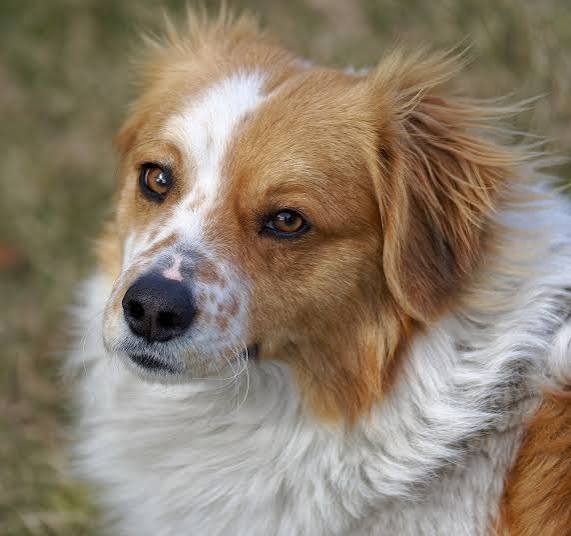
Helping a dog cope with losing a companion matters because dogs genuinely can show real signs of grief after losing another pet in the household. While we can’t know what dogs feel, many owners notice clear changes in behavior after losing a bonded companion. Vets take these changes seriously, especially when they last. This guide covers what grief typically looks like in dogs and practical ways to support them through it.
Signs of Grief in Dogs
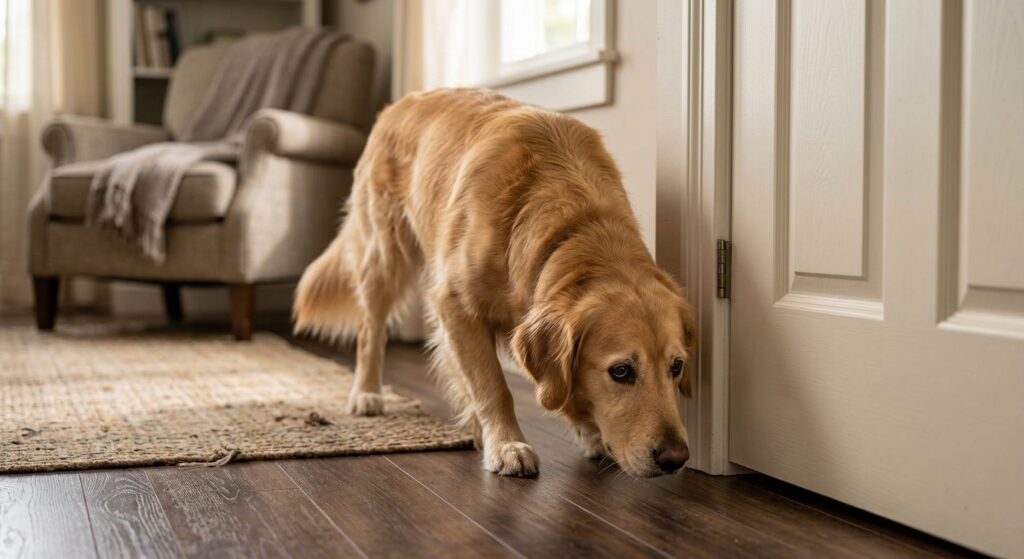
- Searching behavior, looking for their companion in usual spots around the house
- Reduced appetite, sometimes significant, in the days following the loss
- Changes in sleep patterns, either sleeping more than usual or seeming restless
- Increased vocalization, such as whining or howling, particularly if the dogs shared close physical proximity
- Lethargy or apparent depression-like behavior, including reduced interest in normal activities
- Increased clinginess toward remaining family members, human or animal
Not every dog shows obvious grief, and the intensity varies considerably based on how bonded the dogs were and each individual dog’s temperament.
Grief or Medical Problem?
Grief can look a lot like illness. Use this table as a guide, and call your vet when you are unsure.
| Sign | Often seen with grief | Call your vet if… |
|---|---|---|
| Appetite | Eats less, but still accepts small portions or treats | Your dog refuses all food, vomits, or loses weight |
| Sleep | Sleeps more, or seems restless at night | Your dog seems confused, in pain, or cannot settle at all |
| Energy | Quieter and less playful than usual | Your dog is weak, will not get up, or seems to collapse |
| Whining or searching | Wanders the house and looks for the other pet | The behavior is constant or comes with other changes |
| Clinginess | Follows you from room to room | Your dog also seems anxious, aggressive, or in pain |
Why Bond Strength Affects Grief Response
Dogs that spent significant time together, especially those raised together or who shared close daily routines (sleeping together, eating side by side, playing regularly), often show more visible grief responses than dogs with a more distant relationship. This isn’t a rule, though — some dogs surprise owners either way, showing minimal visible reaction despite a close bond, or a stronger reaction than expected from a seemingly casual relationship.
Supporting Your Grieving Dog
Maintain Routine
Keeping feeding times, walks, and daily structure consistent provides a sense of stability during a period of household change, which can help ease anxiety alongside the grief itself.
Daily Routine for a Grieving Dog
- ☐ Feed your dog at the same times every day.
- ☐ Keep walks at the usual times, even if they are shorter.
- ☐ Offer a quiet, comfortable place to rest, such as one of the best orthopedic beds for senior dogs.
- ☐ Give calm, steady affection, and keep it the same whether your dog seems upset or not.
- ☐ Add a short play or sniffing session each day.
- ☐ Keep the other pet’s belongings where they are for now, unless they seem to upset your dog.
- ☐ Note any changes in appetite, sleep, or energy.

Offer Extra Attention, Within Reason
Additional affection and engagement can help, but be mindful of accidentally reinforcing anxious or clingy behavior through excessive attention specifically tied to distress signals — calm, consistent affection works better than attention only offered during visible distress.
Allow Time to Adjust
Most dogs show noticeable improvement within a few weeks, though this varies. Avoid rushing to “fix” the grief immediately, since some adjustment period is normal and expected.
Many owners say the first week felt the quietest. Their dog wandered from room to room and checked the usual spots. Then, slowly, small things returned. A tail wag at dinner. A short game with a favorite toy. Owners often say they stopped expecting a big change and started noticing these small ones.
Watch for Prolonged or Severe Symptoms
If reduced appetite, lethargy, or behavioral changes persist beyond a couple of weeks, or seem severe (significant weight loss, complete withdrawal), a vet visit is worth scheduling to rule out a medical cause and discuss additional support options.
Grief Watch Log
Fill this in once a day for the first few weeks. Write N for normal, L for less than usual, or M for more than usual. Bring the log to your vet if the changes continue.
| Date | Appetite | Sleep | Energy | Searching or whining | Notes |
|---|---|---|---|---|---|
| ________ | ____ | ____ | ____ | ____ | ________ |
| ________ | ____ | ____ | ____ | ____ | ________ |
| ________ | ____ | ____ | ____ | ____ | ________ |
| ________ | ____ | ____ | ____ | ____ | ________ |
| ________ | ____ | ____ | ____ | ____ | ________ |
Consider Their Individual Needs Before Getting a New Pet
Getting a new companion animal too soon, hoping it will resolve grief-related behavior, doesn’t always work as intended — some dogs adjust well to a new companion, while others need considerably more time alone with their family first. Assess your remaining dog’s individual temperament and current state rather than assuming a quick replacement will solve the adjustment period.
The ASPCA notes that behavioral changes following the loss of a companion animal are commonly observed and generally improve with patience, routine, and appropriate support.
Supporting Yourself Through a Double Loss
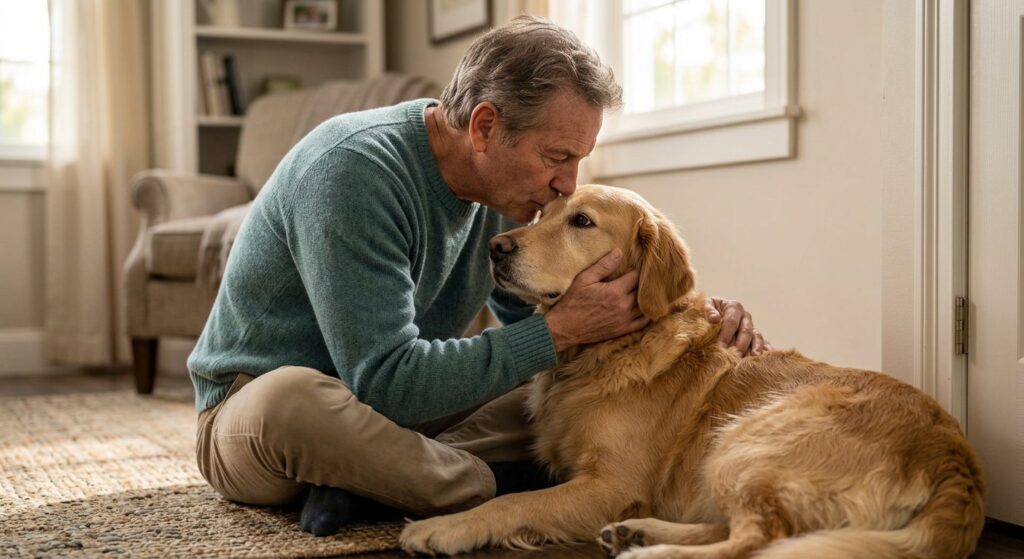
If you’re also grieving the pet who passed while trying to support a surviving dog, be gentle with yourself during this time. Managing your own grief alongside caring for a grieving pet is genuinely challenging, and it’s completely reasonable to lean on friends, family, or a grief counselor for your own support while also tending to your dog’s adjustment. Our guide on coping with the loss of a dog offers additional support for your own grieving process.
Frequently Asked Questions
How long does grief typically last in dogs after losing a companion?
Most dogs show noticeable improvement within 2-4 weeks, though this varies based on bond strength and individual temperament. Some dogs adjust more quickly, while others take a couple of months to return to their typical behavior.
Should I let my dog see or spend time near their deceased companion’s body?
Some owners find that letting a dog see or sniff the body helps the dog understand the loss, though the evidence is mostly anecdotal. It’s a personal decision, and there’s no strong evidence that avoiding this causes additional harm either.
Is it bad to get a new puppy right after losing an older dog?
It depends on your surviving dog’s temperament and current emotional state — some older dogs adjust well to a new puppy relatively soon, finding new companionship helpful, while others become stressed by a new, high-energy addition during an already vulnerable time. Watching your dog’s individual signals matters more than following a fixed waiting period.
If you decide to adopt, read our guide on introducing a puppy to a senior dog.
What should I do if my dog stops eating after the loss?
A smaller appetite is common in the first days. Offer small portions of food your dog likes, at the usual times. If your dog refuses food completely or starts losing weight, call your vet. Our guide on why your senior dog won’t eat lists other reasons to rule out.
Could my dog’s changes be a medical problem instead of grief?
Yes. Illness in older dogs can look like sadness or tiredness. If the changes continue or seem severe, book a check-up. Our guides on senior dog wellness exams and annual blood work for senior dogs explain what a vet looks for.
How can I keep my grieving dog mentally active?
Short walks, sniffing games, and puzzle toys can help. Keep sessions gentle and let your dog set the pace. See our guide to cognitive enrichment toys for senior dogs for ideas.
Can I help my dog sleep better after the loss?
Keep bedtime routines the same. Offer a comfortable bed in a quiet spot, and let your dog choose whether to sleep near the family. A supportive bed can help an older dog rest more comfortably. If sleep problems last, talk to your vet.
Supporting a grieving dog takes patience, consistency, and realistic expectations about their timeline for adjustment. If you’re navigating your own grief alongside theirs, our guide on coping with the loss of a dog offers support for that part of the process too.