
Understanding Palliative Care for Dogs
Palliative care for dogs shifts the focus away from curing a condition. Instead, it centers on comfort and quality of life. Vets typically recommend it once a diagnosis turns terminal, or once a dog’s health declines to the point where aggressive treatment no longer helps. This guide covers what palliative care actually involves. It also covers how it differs from hospice care, and how to know when it’s the right path for your dog.
Palliative Care vs Curative Treatment
Curative treatment aims to resolve or significantly slow a disease. Palliative care works differently. It accepts that a condition won’t be cured. Instead, it focuses entirely on managing pain, maintaining dignity, and supporting the best possible quality of life for whatever time remains. This shift isn’t a failure or giving up. It’s a deliberate, compassionate choice. Many vets consider it genuinely appropriate once a condition reaches a certain stage.
What Palliative Care Actually Involves
Pain Management
Consistent, proactive pain control forms the core of palliative care. Vets often combine several medications and adjust them regularly based on your dog’s changing needs, rather than sticking to a single fixed prescription.
Nutritional Support
Palliative nutrition often shifts away from strict therapeutic diets aimed at slowing disease progression. Instead, it favors whatever food your dog will actually eat with enthusiasm. This prioritizes enjoyment and adequate intake over nutritional perfection.
Mobility and Comfort Aids
Orthopedic bedding, ramps, and other comfort equipment become especially important during this stage. See our best orthopedic beds for senior dogs guide for options. These aids reduce unnecessary physical strain.
See also our guides to the best pet steps for beds and sofas and the best mobility harnesses for senior dogs.
Emotional and Social Support
Maintaining familiar routines, gentle affection, and calm companionship matters a lot during this time. This support helps both your dog’s comfort and the bond you continue sharing.
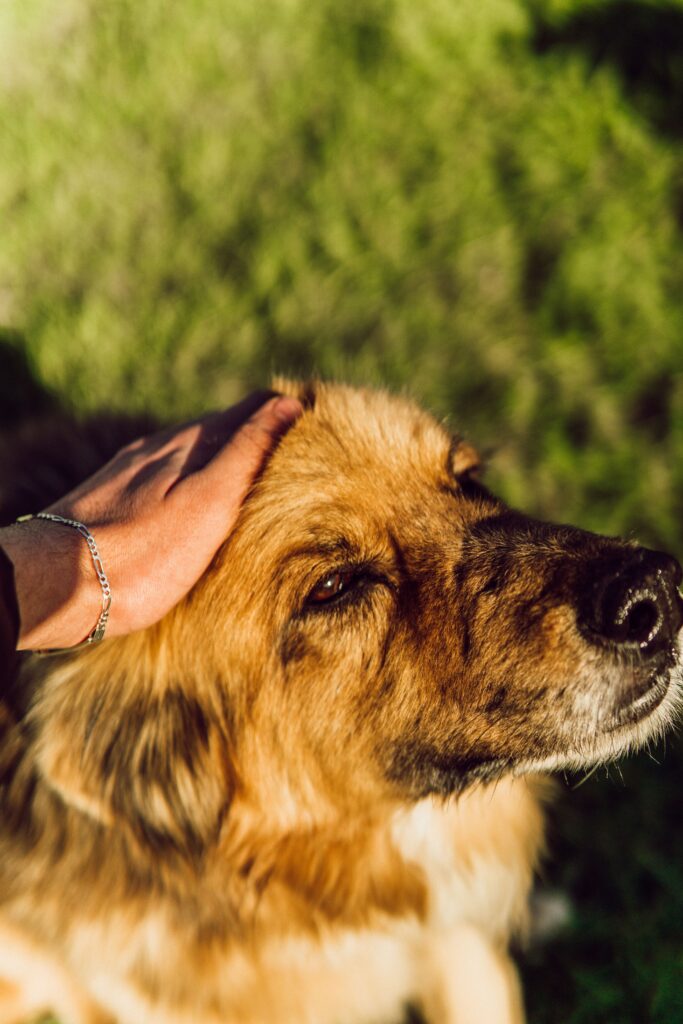
Many owners say the simplest moments mattered most. A favorite spot in the sun, a slow walk around the garden, or a quiet evening on the sofa gave both of them comfort.
Regular Reassessment
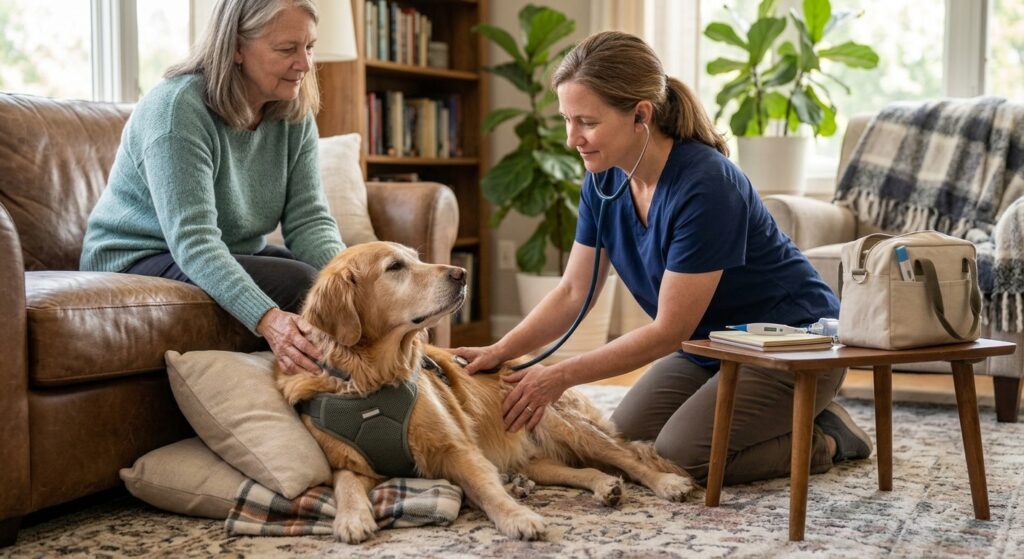
Palliative care isn’t a fixed plan. It typically involves frequent check-ins, sometimes at home and sometimes at the clinic. These check-ins let you adjust medication and support as your dog’s condition evolves.
How Palliative Care Differs From Hospice Care
People often use these terms interchangeably. Hospice care, though, generally refers to care given during a dog’s final days to weeks of life. It carries an even more concentrated focus on comfort and a peaceful transition. Palliative care can start earlier and last much longer, sometimes for months, alongside a still-meaningful quality of life.
Signs It May Be Time to Consider Palliative Care
- Your vet has exhausted curative treatment options, or they no longer fit your dog’s overall condition
- Advanced age combines with multiple health conditions, where aggressive treatment would add stress without meaningfully extending quality time
- Your vet assesses that further intervention would cause more discomfort than benefit
- You notice your dog’s quality of life has become the primary concern, above extending lifespan itself
Creating a Comfortable Environment
- Keep your dog’s resting area warm, soft, and free from drafts.
- Minimize unnecessary stress. Skip excessive vet visits or handling beyond what comfort actually requires.
- Maintain familiar routines and people around them as much as possible.
- Consider keeping a simple daily log of appetite, comfort, and engagement. This log helps you track whether your dog’s quality of life stays stable or declines.
Your vet can guide you through end-of-life decisions at every step. For general guidance on end-of-life care for pets, visit the AVMA website.
For help with hygiene, see our guides on the daily hygiene routine for a senior dog with incontinence and the best dog diapers.
Comfort Log
Fill this in once a day. Write good, fair, or poor.
| Date | Appetite | Comfort | Interest in family | Good or hard day? | Notes |
|---|---|---|---|---|---|
| ________ | ________ | ________ | ________ | ________ | ________ |
| ________ | ________ | ________ | ________ | ________ | ________ |
| ________ | ________ | ________ | ________ | ________ | ________ |
| ________ | ________ | ________ | ________ | ________ | ________ |
| ________ | ________ | ________ | ________ | ________ | ________ |

Working Closely With Your Vet
A good palliative care plan involves ongoing, honest conversations with your vet. Talk about what to expect, how to recognize declining quality of life, and how pain management will change over time. Many vets also offer guidance on simple quality-of-life scales. These scales help take some of the emotional guesswork out of daily assessments.
Questions for Your Vet
- ☐ What should I expect over the coming weeks?
- ☐ Which signs mean I should call you right away?
- ☐ How will pain medication change over time?
- ☐ Can you visit us at home?
- ☐ Which quality-of-life scale do you recommend?
- ☐ What are my options when the time comes?
Frequently Asked Questions
Does choosing palliative care mean giving up on my dog?
No. It represents a deliberate choice to prioritize comfort and dignity over treatments that may cause more distress than benefit. Many vets and owners consider it a genuinely caring decision, not giving up.
How long can a dog live on palliative care?
This varies enormously depending on the underlying condition. Some dogs stay comfortable on palliative care for weeks; others last many months. Regular reassessment guides how the plan evolves over time.
Can palliative care be provided at home?
Yes, in many cases. Home-based palliative care, sometimes with support from a vet who offers house calls or a hospice-focused service, lets a dog stay in familiar, comfortable surroundings during this stage.
How can I tell if my dog is in pain?
Dogs often hide pain. Watch for panting at rest, hiding, whimpering, or reluctance to move or eat. Tell your vet what you see.
What if my dog stops eating?
Offer small portions of favorite foods, and tell your vet. See our guide on my senior dog won’t eat.
Is it normal to feel guilty about this choice?
Yes. Many owners do. It reflects how much you care. Our guide on coping with the loss of a dog offers support.
How can I prepare for what comes next?
Ask your vet about your options early. See our guides on when to say goodbye to your dog and pet cremation vs burial.
This article is for informational purposes only and is not a substitute for professional veterinary advice. Always consult your vet about your dog’s specific health needs.
Palliative care centers your dog’s comfort and dignity during a difficult stage of life. When the time eventually comes to make further decisions, our guide on how to know when it’s time to say goodbye offers additional guidance for that process.